EDF has launched an innovative energy tariff aimed at encouraging customers to alter their energy usage habits, offering potential savings of up to £187 annually. The FreePhase tariff, which introduces three distinct pricing periods, allows households to lower their energy costs by avoiding peak times. But will this new offering prove beneficial for all?
In a landscape where household energy costs have become increasingly burdensome, EDF’s new FreePhase tariff presents a flexible approach that promises significant savings. With energy prices continuing to fluctuate due to market pressures, this shift toward time-of-use tariffs is part of a broader industry trend to help consumers save while supporting the National Grid’s efficiency.
A New Approach to Pricing: Time-of-Use Tariffs
The FreePhase tariff divides the day into three distinct periods, each with different pricing levels. The ‘red‘ period, which runs from 4pm to 7pm, is when energy consumption is at its peak, and, consequently, the most expensive. In contrast, the ‘amber‘ and ‘green‘ periods (off-peak and night) offer cheaper rates, with potential savings if households can shift their energy usage to these times.

According to EDF, customers who successfully adapt their energy usage patterns could save up to £187 annually compared to standard variable tariffs (SVT). The tariff comes in two variations: FreePhase Dynamic, which adjusts daily in line with wholesale energy prices, and FreePhase Static, which locks in rates for a 12-month period. The dynamic plan offers more variability, allowing customers to benefit from up to 30% cheaper off-peak rates and 44% cheaper night rates compared to standard tariffs.
Rewards and Flexibility: No Exit Fees, but a Smart Meter Is Required
A unique aspect of the FreePhase tariff is the opportunity for customers to benefit from periods of free electricity when wholesale energy prices dip below zero. While FreePhase Dynamic users won’t be charged for electricity consumed during these times, FreePhase Static customers will receive credit for their usage.
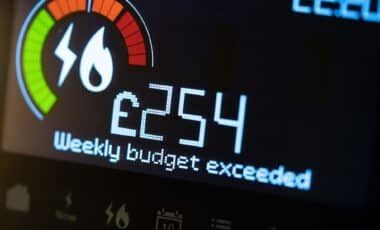
Importantly, the tariff is not locked into rigid terms. There are no exit fees if customers decide to switch away from FreePhase. However, the tariff requires a smart meter and payment via direct debit for effective tracking of consumption.
While EDF’s offering is positioned as a way to help consumers reduce energy costs, it remains to be seen whether those with less control over their daily routines or irregular energy demands will be able to make the most of this time-sensitive pricing model.