For borrowers, the change signals a reminder that mortgage pricing remains closely tied to global economic events. Analysts say the recent shifts in financial markets have quickly filtered through to the cost of fixed-rate loans, leaving many households watching developments with concern.
Lenders Raise Mortgage Rates as Markets React to Global Tensions
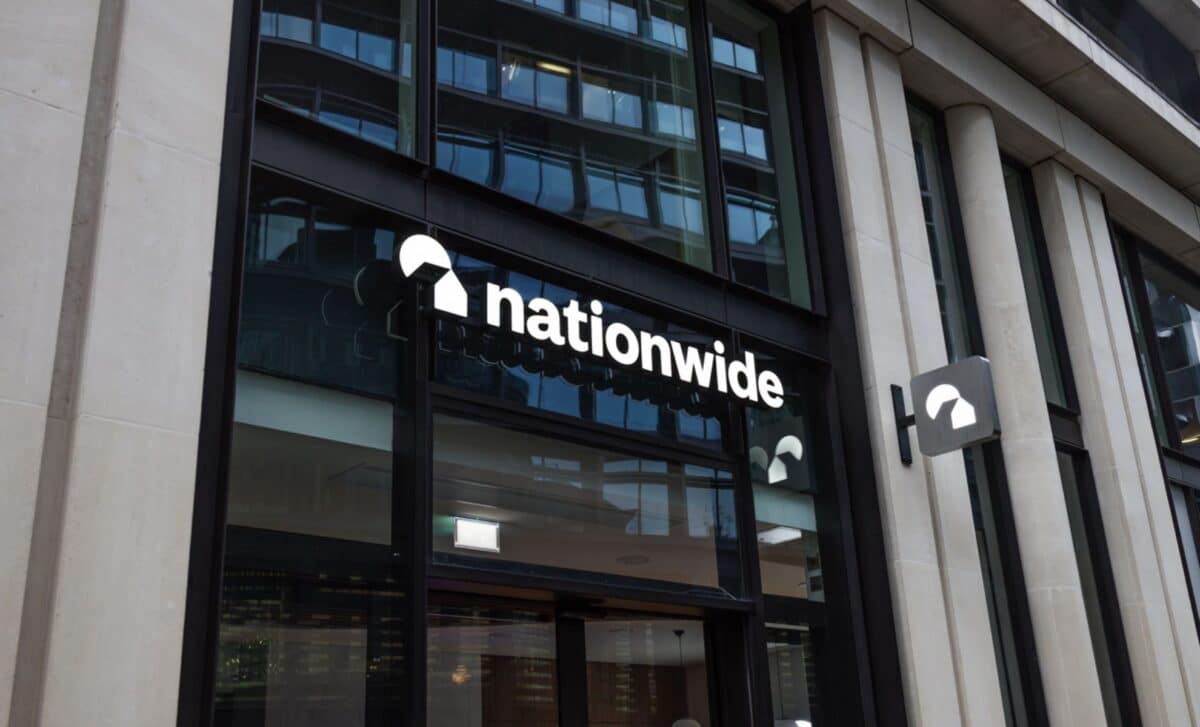
Nationwide has increased selected fixed mortgage rates by up to 0.25 percentage points from Friday, affecting several product categories including first-time buyer loans, home mover deals, remortgages and products for existing customers moving home. The changes also apply to the lender’s switcher and additional borrowing ranges.
A spokesperson for the building society said the decision reflected wider market conditions rather than an isolated policy change. According to the Birmingham Mail, Nationwide stated that its mortgage rates are kept “under continual review” to ensure they reflect developments in financial markets. The organisation added that it had been forced to raise rates following a significant rise in swap rates driven by recent global events.
Other major lenders have made similar moves in recent days. According to the Daily Express, HSBC and Coventry Building Society have also announced increases to residential and buy-to-let fixed mortgage rates, with the adjustments taking effect from Friday and the following Monday.
Swap rates, which play a central role in determining the cost of fixed-rate mortgages, have risen as investors reassess inflation expectations. Financial market data cited by the same source shows the two-year swap rate reaching around 3.56 per cent and the five-year swap rate climbing to roughly 3.70 per cent during the week. These movements have prompted lenders to adjust their pricing in response to higher funding costs.
Uncertainty Grows as Inflation Fears Reshape Expectations
Mortgage specialists say the rate increases reflect growing concern that geopolitical tensions could lead to renewed inflationary pressure. According to Babek Ismayil, chief executive of the home-buying platform OneDome, financial markets are increasingly pricing in the possibility that inflation could remain elevated for longer.
Ismayil explained that this expectation could delay interest-rate cuts previously anticipated from the Bank of England. “Seeing three big lenders increase rates in a day is not the news borrowers want to see,” he said, noting that the rapid repricing illustrates how quickly the mortgage market can shift.
Other advisers echoed similar concerns about market volatility. Adam Stiles, managing director at Helix Financial Partners, said recent global developments had unsettled investors and triggered increases in swap rates. Stiles observed that lenders across the market are likely to follow with similar adjustments until financial conditions stabilise.
Despite the upward movement, some experts have urged borrowers not to panic. Wesley Davidson, director at FD Commercial, said mortgage pricing remains well below the levels seen during the peak of the 2023 interest rate surge. He suggested the latest changes appear to reflect a correction after a period of intense competition among lenders through late 2024 and early 2025.
For now, the mortgage market appears to be entering another period of uncertainty. Borrowers considering a fixed-rate deal may find themselves navigating a landscape shaped not only by domestic economic policy but also by events unfolding far beyond the UK’s borders.