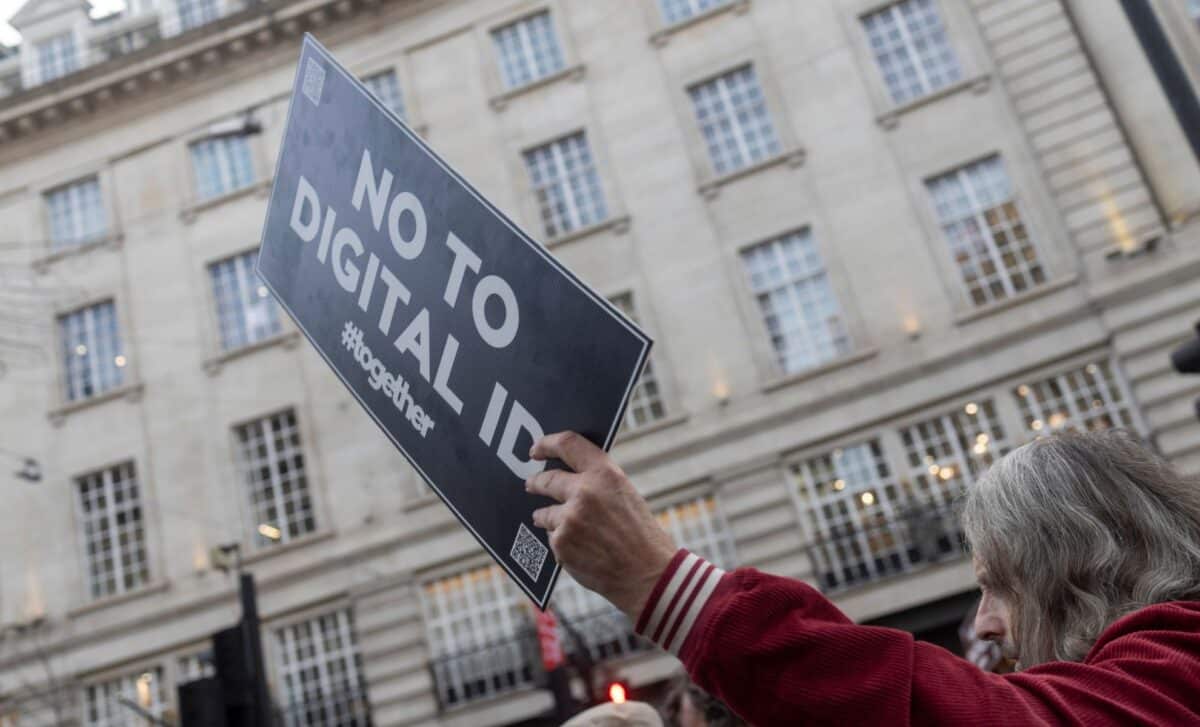
The plan, first outlined by Labour leader Sir Keir Starmer in September, is designed to address illegal working and improve access to public services. Yet growing opposition and a wave of protests highlight the divisive nature of the project, as concerns grow over data privacy, government overreach, and cost transparency.
Ministers Reportedly Exploring Wider Scope of Digital ID Rollout
The UK Government’s proposed digital ID programme has come under renewed scrutiny following reports that the system could potentially extend to include infants at birth. According to the Daily Mail, Cabinet Office minister Josh Simons has held private meetings in which the idea of incorporating newborn children into the scheme was raised. Though no official confirmation has been given, the report states that Simons pointed to international models where digital identity is assigned from birth.
In a statement, a Government spokesperson denied any mandatory application beyond employment-related checks. “The only mandatory area of the programme will be for digital right-to-work checks. Only people starting a new job will need to use the scheme,” the spokesperson said.
Despite the Government’s reassurance, the suggestion of a broader application has prompted criticism from opposition parties. Shadow Cabinet Office minister Mike Wood described the idea as a “deeply sinister overreach by Labour,” citing concerns about state surveillance and intrusion into personal freedoms.
The Government has maintained that any expansion of the programme remains “hypothetical”, according to a Whitehall source cited by the Daily Mail. They added that “no one will be forcing” children to have digital IDs, and that a formal consultation would be carried out before any final decisions are made.
Cost, Protests and Privacy Concerns Add Pressure to Controversial Policy
The proposed rollout, which Labour has said will be completed by 2029, continues to generate controversy. Nearly three million people have signed a petition opposing the introduction of digital identity cards, while thousands participated in protests across central London in October.
One of the major sources of contention lies in the programme’s projected cost. According to the Mail, the Office for Budget Responsibility (OBR) has estimated that implementing the scheme could cost £1.8 billion over the next three years. The Government, however, has disputed that figure. A spokesman for the Prime Minister stated, “The number in the OBR forecast was an initial early estimate spread over a number of years. We don’t recognise it as an accurate cost of the programme, the scope of which is yet to be decided, let alone costed.”
Supporters of the digital ID argue that the technology will streamline access to public services and improve the security of personal data. Technology minister Liz Kendall, speaking at the initial launch, said digital identity would “offer greater security and actually greater control over your own data,” noting that digital records are “much less likely to be lost or stolen.” She also assured that privacy and security protections would be “hardwired into the system from the start.”
While the Government prepares to consult the public and refine the details of the policy, the digital ID programme remains a flashpoint in the national debate over technology, civil liberties, and the evolving role of the state in the digital age.