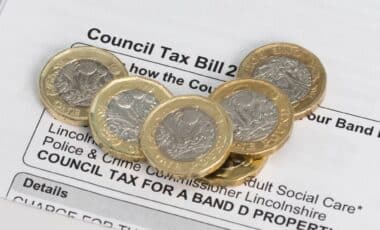
Seven councils in England have been granted special permission by the government to increase their council tax rates beyond the usual 5% cap, following significant financial challenges. The decision comes as part of a larger financial settlement that aims to address the fiscal difficulties faced by local authorities.
This move, which allows some councils to raise their share of the council tax by as much as 9%, has sparked debate about the fairness and sustainability of funding across local government. The government has stated that the extra flexibility will help ease the financial pressures faced by the councils, many of which have struggled with significant budget gaps.
Government Responds to Financial Pressures
According to reports, the decision to let these councils raise taxes above the cap was driven by their difficult financial circumstances. Shropshire, Worcestershire, and North Somerset have been given the go-ahead to increase their share of the tax by up to 9%, while Trafford, Warrington, and Windsor and Maidenhead can raise their share by 7.5%. Bournemouth, Christchurch, and Poole Council is permitted to increase its share by 6.75%.
Local government minister Alison McGovern stated that these additional tax flexibilities were necessary due to the “challenging financial position” of many councils. She added that the government was committed to reconnecting funding with need, ensuring that those areas most in need of support receive additional funding. However, critics argue that the decision does little to address the underlying issues of long-term financial sustainability for local authorities.
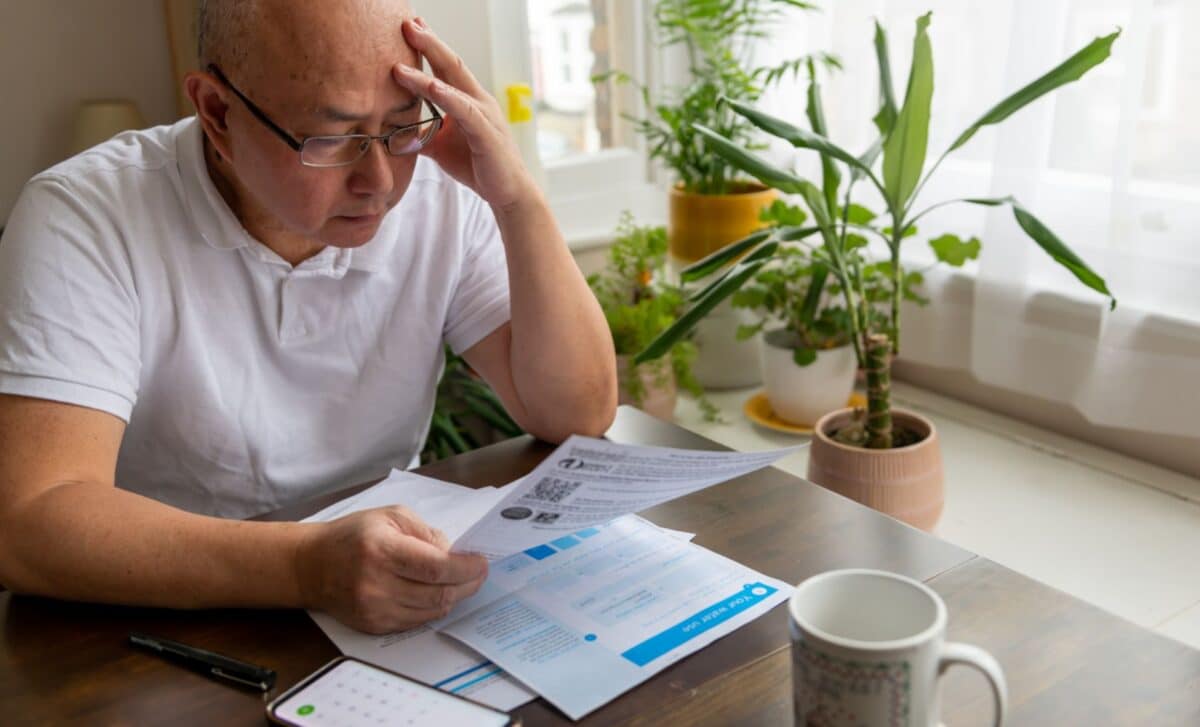
While the increased tax flexibility provides a temporary solution, many councils remain concerned about the ongoing pressures on their services. Councillor Mike Fox of BCP Council, for instance, noted that while the increase would close a budget gap, it only fills the shortfall created by the use of reserves. “Our finances remain tight and pressures on frontline services continue,” Fox remarked, highlighting the delicate balance councils must strike between tax hikes and service cuts.
The Implications for Local Services
The rise in council tax comes amidst a broader discussion about the future of local government funding in England. The government’s three-year settlement includes a £440 million uplift to the recovery grant, designed to support councils hit hardest by austerity cuts. However, this extra funding has been criticised by some as disproportionately benefiting urban and metropolitan councils, while rural and county councils face larger funding gaps.
Steven Broadbent, finance spokesman for the County Councils Network, expressed disappointment with the government’s focus on urban areas. He pointed out that while urban councils may benefit from the recovery grant, counties and rural councils face a much larger £2.7 billion funding shortfall. Broadbent argued that this discrepancy highlights the unfairness of the funding allocation, which could further strain local services in rural areas.
Furthermore, councils like Worcestershire have been vocal about the long-term challenges they face. he county’s leadership admitted that its finances were in a “mess,” with significant cuts to essential services on the horizon if additional funding is not provided. As local authorities continue to grapple with rising demands for services, the government’s funding reforms may not be enough to reverse the financial decline many councils face.