A wide range of household expenses increased across the UK at the start of April, affecting everything from water and council tax to broadband and transport. At the same time, a mix of wage growth, benefit increases, and a lower energy price cap is offering partial financial relief.
These changes matter because they directly reshape disposable income for millions of households. While rising costs dominate, the broader picture is more mixed than it first appears.
The new financial year has introduced coordinated price adjustments across essential services. Water bills in England and Wales are rising by an average of 5.4%, equivalent to £33 annually, while Scottish households face an even steeper average increase of 8.7%.
Council tax is also climbing, with most English local authorities raising rates close to the 4.99% cap. Some areas have been granted permission to go higher due to financial pressures. Increases of up to 8.99% will apply in places such as Shropshire and Worcestershire.
Other everyday costs are shifting upward as well. The TV licence fee has increased by £5.50 to £180 per year, and broadband and mobile contracts are rising by as much as £4 per month. This could translate into annual increases of up to £48 for broadband and £30 for mobile users.
Transport-related expenses are also affected. Standard car tax has risen to £200 for most vehicles registered after 2017, and air passenger duty increases may push flight prices higher. Meanwhile, stamp prices have gone up, with first-class stamps now costing £1.80.
Rising Living Costs Hit Multiple Essential Services
The breadth of these increases highlights how cost pressures are spreading across nearly every category of household spending. Water, telecoms, transport, and local taxation are all contributing to higher baseline expenses.
Some changes are structural rather than temporary. Water bill increases, for example, are tied to a £104 billion infrastructure investment program aimed at upgrading national systems. This suggests that higher charges may persist beyond the current year.
Taxation is also playing a quieter role. Frozen income tax thresholds mean some workers may end up paying more tax as their wages rise, a phenomenon often described as “fiscal drag.” This could also affect savings, as more people exceed the £1,000 tax-free interest allowance.
Even leisure spending is not immune. The price of Guinness draught is increasing by 5.2%, and other alcoholic products are also seeing modest price rises, reflecting broader cost pressures within supply chains.
Income Boosts and Energy Relief Offer Partial Offset
Not all the changes are negative. Several income-related adjustments are helping to offset rising costs, particularly for lower-income households and pensioners. Benefits linked to inflation are increasing by 3.8%, while the state pension is rising by 4.8%. The full new state pension will reach £241.30 per week, reflecting wage growth under the triple lock system.
Wages are also going up. The national living wage for workers aged 21 and over has increased by 4.1% to £12.71 per hour, which equates to roughly £900 more per year for a full-time worker.
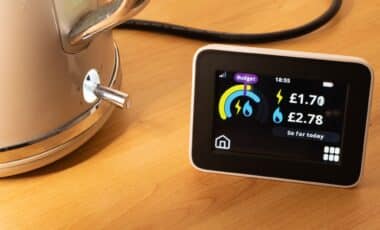
Energy costs provide another area of relief. Despite global pressures on oil prices, the energy price cap has been reduced. The typical annual dual-fuel bill will fall to £1,641, down from £1,758.
Some costs are being held steady as well. Rail fares and prescription charges in England remain unchanged, offering a degree of stability in specific areas of spending. Taken together, April’s changes present a complex financial picture. While rising bills are widespread and difficult to avoid, targeted increases in income and a reduction in energy costs mean the overall impact will vary significantly from one household to another.