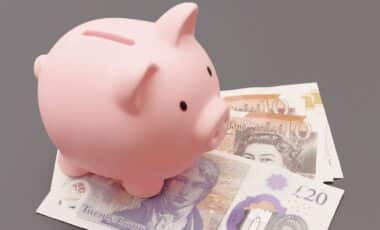
This month, millions of newly self-employed individuals are facing unexpected tax demands from HMRC. Due to a longstanding rule in the self-assessment system, workers are being required to pay their full tax bill for last year (plus an extra 50 percent towards the current tax year) resulting in a total of 150 percent due by the end of January.
The payments on account mechanism, designed to keep self-employed taxpayers in line with those on PAYE, is now drawing criticism for its impact on newcomers. Many are unaware of the rule until they are faced with the invoice, and for some, the size of the payment is causing serious concern.
How the Payments on Account System Works
The payments on account system requires those under self-assessment to make two advance payments each year, intended to spread the cost of income tax and National Insurance. As explained by HW Fisher accountant Sam Dewes, the first instalment, due by 31 January, amounts to the full tax bill for the previous year, plus an additional 50 percent towards the following year’s liability. A second 50 percent payment is then required by 31 July.
According to Dewes, “In effect, self-employed workers pay 150pc of the tax due for the previous year in one go. Thereafter the payments smooth out. But this does mean the first year’s tax liability can be very scary.”
The measure is aimed at helping workers avoid falling behind on their tax responsibilities. It also seeks to align self-employed people more closely with employees who pay tax monthly through the Pay As You Earn system. Yet, for many, this initial payment comes as a surprise, especially for those who have only recently become self-employed and are not prepared for the sudden outlay.
As reported by The Telegraph, a worker who owes £10,000 for the past tax year will have to pay £15,000 in January. Another £5,000 will then be due in July, regardless of whether the worker’s income has fluctuated or declined.
Support and Risks for Those Unable to Pay
For individuals unable to meet the 150 percent bill, HMRC offers a payment plan known as a “time to pay arrangement”. According to Claire Thackaberry from the Low Income Tax Reform Group, this option “is a good way of avoiding late payment penalties and debt collection action from HMRC, but interest charges will continue to apply.”
Taxpayers are also permitted to request a reduction in their payments on account if they believe their income for the upcoming year will be lower. However, this comes with risk. “If their circumstances are likely to change, they need to be careful not to reduce these too much,” Thackaberry warned, “as HMRC charges interest and, in some cases, penalties, if the reduction has been too much and without good reason.”
The payment threshold applies to anyone earning more than £1,000 in profit from self-employment. This includes part-time freelancers and individuals with side incomes from online sales. As noted by The Telegraph, digital platforms like eBay and Vinted are required to report sellers who exceed 30 transactions or £1,700 in total annual sales, though not all of these individuals will owe tax, depending on whether they are making a profit.
An HMRC spokesperson said the system “has helped customers spread the cost of their tax and avoid arrears for decades,” and pointed out that payments can be “easily amended if income levels change.” Despite this, for those encountering the process for the first time, the experience may be confusing, and potentially overwhelming.