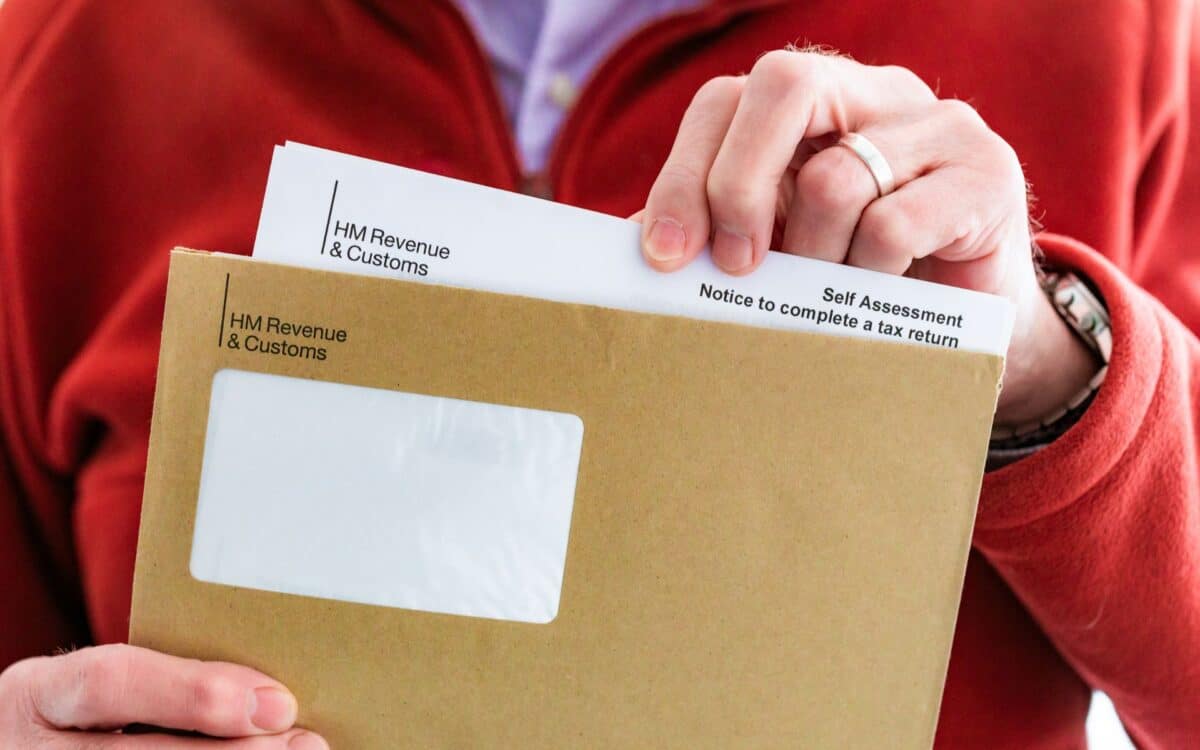
HMRC has set a crucial set of deadlines this October for taxpayers across the UK, creating a critical period for anyone who needs to file a tax return. Failing to meet these deadlines could lead to immediate fines, as well as further escalating penalties.
According to the Western Telegraph, taxpayers in Wiltshire are particularly at risk of receiving hefty fines if they miss these key dates. The penalties can quickly grow, reaching as much as £1,600 for those who continue to delay their filing. It is essential to be aware of the specific dates and requirements to avoid these costly consequences.
Key Dates for the Fiscal Year and Filing Deadlines
The 2024/2025 tax year starts on 6 April 2024 and ends on 5 April 2025. This period is essential for self-assessment filings. If you’re required to submit a tax return, here are the deadlines you must be aware of:
- October 5, 2025: This is the last day to inform HMRC if you need to file a self-assessment tax return for the first time. Failing to notify them by this date could extend your filing deadline by three months, increasing the likelihood of penalties if your return isn’t submitted on time.
- October 31, 2025: If you’re submitting a paper tax return, it must be received by HMRC before 11:59 PM on this date. Any returns received after this time will incur an automatic £100 penalty, even if no tax is due. This is crucial, as penalties escalate quickly.
- January 31, 2026: If you prefer filing your return online, you have until 11:59 PM on this date. However, as Andrea L. Richards, accountant and CEO of Accounts Navigator, points out, “HMRC calculates late filing penalties from the date the first return is received,” so delays in paper submission will still count against you.
- December 30, 2025: If you wish to pay your Self Assessment bill via your tax code, you must submit your return by this date to avoid having to pay through other methods.
Penalties for Missing Deadlines
HMRC‘s penalty system is designed to deter late submissions, and the costs can add up quickly. After missing the paper tax return deadline on October 31, an automatic £100 penalty is charged. This is the baseline for all late submissions, even if you owe no tax.
However, the situation can worsen if you fail to submit the return on time:
- Three months late: Daily penalties of £10 apply, up to £900.
- Six months late: A further charge of £300 or 5% of the tax due, whichever is greater, is added.
- Twelve months late: Another £300 or 5% is added to the fines, bringing the total potential penalty to £1,600.
These escalating charges highlight the importance of filing on time. As Richards explains, “Filing early avoids these escalating costs,” making it the most cost-effective strategy for taxpayers.
Consequences of Not Filing at All
If you fail to file your tax return entirely, HMRC has the authority to estimate the tax you owe and demand immediate payment, adding interest on top of that amount. In extreme cases, this could lead to court proceedings. Richards warns,
If a return isn’t filed at all, HMRC can formally estimate the tax you owe and demand immediate payment with interest, and in extreme cases, court proceedings.
Who Needs to File a Tax Return?
Not everyone needs to file a self-assessment tax return, but there are several situations where you must:
- If you were self-employed and earned more than £1,000.
- If you were in a business partnership or needed to pay Capital Gains Tax.
- If you were liable for the High Income Child Benefit Charge outside of PAYE.
- If you received untaxed income such as rental earnings, tips, savings interest, or foreign income.
Richards explains,
A tax return is required if you were self-employed and earned more than £1,000, were in a business partnership, needed to pay Capital Gains Tax, or were liable for the High Income Child Benefit Charge outside of PAYE. You may also need to file if you received untaxed income, such as rental earnings, tips, savings interest, or foreign income.
How to Appeal Penalties for Late Filing
If you do miss the deadline and incur a penalty, there is a possibility of appeal. HMRC may consider canceling penalties if you can provide a “reasonable excuse” for the delay. However, this can only be done after your return has been filed, and the excuse must apply throughout the entire period of late filing. Without a valid excuse, the penalties are likely to remain in place.
Richards adds,
HMRC may consider appeals against late filing penalties, but only after the return has been filed. Penalties can be cancelled only if you have a ‘reasonable excuse,’ which must exist throughout the period of late filing.