
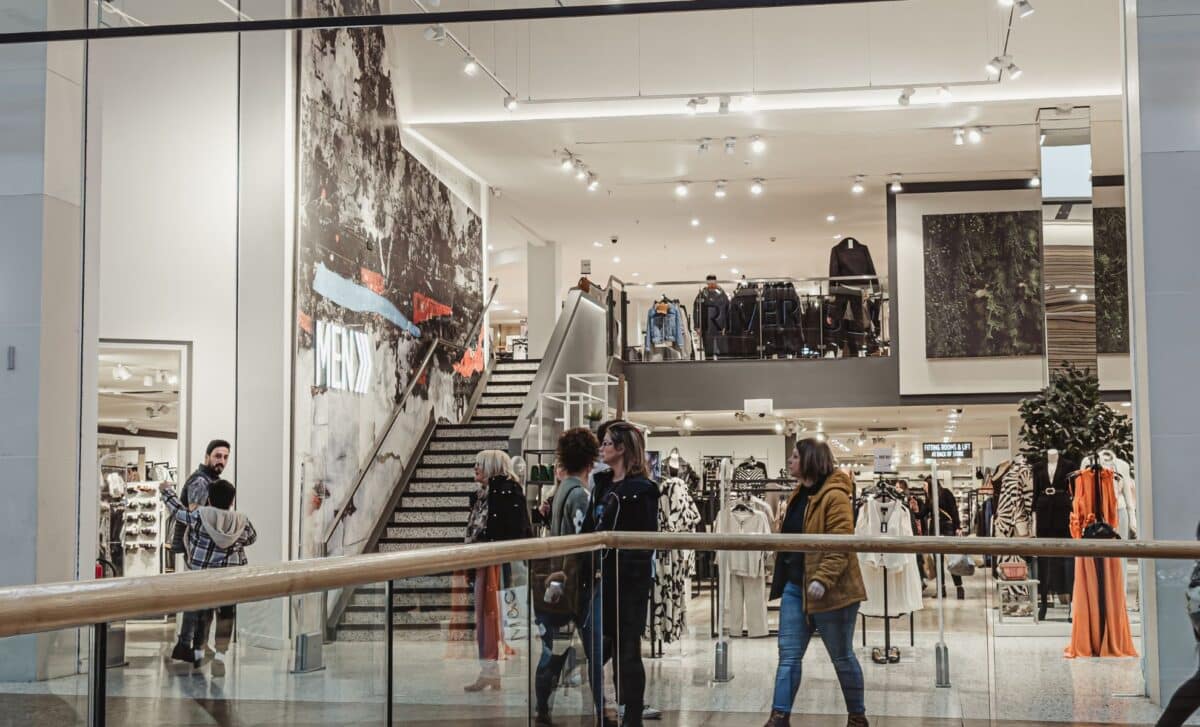
One of the UK’s leading high street fashion retailers has announced the closure of 33 stores by January 2026. This decision comes as part of a broader strategy to address rising costs and shifting retail trends. River Island’s move reflects a growing pattern of high street brands reassessing their physical store presence.
The Financial Struggles Behind the Closures
The closure of 33 River Island stores is not an isolated incident but part of a broader trend of high street retailers struggling to stay afloat in a rapidly changing retail environment. The COVID-19 pandemic, ongoing inflation, and the rise of e-commerce have forced many retailers to rethink their strategies. In River Island’s case, the company has been hit hard by escalating costs, particularly in rent and wages. A deal approved earlier in the year allows the retailer to reduce rent on 71 of its locations across the UK. This restructuring initiative, while helping the company save on overheads, is not enough to offset the financial pressures they are facing, hence the decision to close 33 stores.
Commenting on the decision to close the stores, River Island’s CEO Ben Lewis stated: “We have a clear transformation strategy to ensure the long-term viability of the business, and this decision gives us a strong platform to deliver this.” This highlights the company’s drive to evolve with the times and remain relevant in an increasingly digital-first retail world. While the closures are a difficult pill to swallow for both customers and employees, they reflect the necessity of making tough decisions for the business to stay competitive.
River Island’s Strategy for the Future
Despite the closures, River Island is far from abandoning its vision for growth. According to Express.co.uk, the retailer is committed to aligning its store estate with customers’ needs. Ben Lewis further elaborated on this, stating,
“Recent improvements in our fashion offer and shopping experience are starting to show results, and the restructuring plan will enable us to align our store estate to our customers’ needs.”
This statement reveals that the retailer isn’t simply reducing its footprint but rather seeking a more targeted approach to ensure that its remaining stores are strategically placed and reflect the current shopping habits of its clientele.
River Island has focused on enhancing its online and in-store shopping experience, capitalising on the fact that a growing number of customers are now expecting an omnichannel approach. In particular, the company has invested in technology to improve its e-commerce platform, ensuring that online and physical store experiences are integrated. This transformation is essential as River Island positions itself to compete with fast fashion giants and boutique retailers that have successfully embraced online shopping.
Regional Impact: Which Areas Will Feel the Loss?
The closure of 33 River Island stores will affect various regions across the UK, from Barnstable in Devon to Kilmarnock in East Ayrshire. Wales and Northern Ireland will also bear the brunt, with shops in Wrexham and Lisburn earmarked for closure. While the exact locations are still being finalised, the decision will undoubtedly have a significant impact on local communities. In smaller towns, where high street shops serve as social hubs and important sources of employment, the closures may leave a noticeable gap.
Many affected workers will be left searching for new job opportunities, and local economies could feel the knock-on effects as footfall in town centres diminishes. However, the company’s restructuring model seems to place a stronger emphasis on its remaining stores, which will continue to operate in high-demand areas. River Island has not indicated if further closures are likely in the near future, but it’s clear that the company is focusing on remaining strong in key locations.
River Island’s Retail Revival: A Glimmer of Hope?
Though the closures are unsettling, there is reason to believe that River Island’s bold restructuring could pave the way for a revival. The fashion giant has shown resilience in the face of adversity before, and with a clear plan to reimagine its operations, it could very well emerge stronger in the long run. Ben Lewis also noted:
“We are grateful to our suppliers, landlords and other stakeholders for their constructive engagement and shared confidence in River Island’s future.”
The support of these key partners will be crucial as the company navigates this difficult period and works to streamline its operations.
The key to River Island’s success will likely lie in its ability to blend its physical presence with its growing online platform. As fashion shopping increasingly shifts online, the company’s ability to deliver a seamless, engaging shopping experience both digitally and in-store will be its best shot at staying competitive. If River Island’s transformation strategy is executed well, the store closures could be seen as the start of a new chapter, one that focuses on sustainability and innovation.