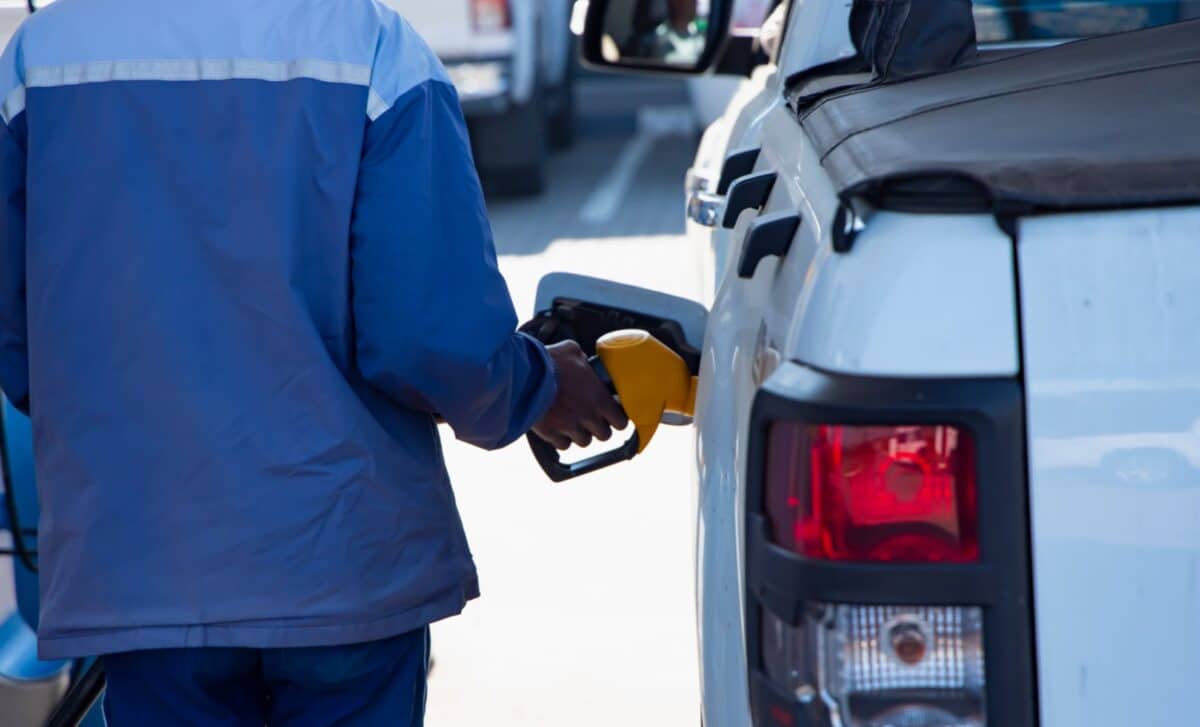
As the war in the Middle East escalates, oil prices have climbed sharply, and British motorists are now dealing with long queues at petrol stations, with some forecourts even running out of fuel. According to The Mirror, the spike in prices has been accompanied by widespread panic buying, with drivers rushing to secure fuel before prices rise even further.
Rising Prices Fuel Panic Buying Across the UK
The price of petrol in the UK has skyrocketed, with some areas seeing prices as high as 169.9p per litre, a jump of several pence in just a short period. This price increase follows a recent surge in oil prices, which have been affected by geopolitical tensions, particularly in the Middle East. According to the same source, the situation in the Strait of Hormuz, a vital oil shipping route, has become a major concern after Iran’s actions in the region. The conflict between Iran and the US has caused oil prices to soar, and this has had a direct impact on the cost of fuel at the pump.
Motorists are now scrambling to fill their tanks, with some petrol stations reporting lengthy queues of up to 90 cars. Frustrated drivers have complained of fuel shortages at several stations, and many are worried that prices will continue to rise in the coming days. The Mirror reports that a caller into a radio show mentioned an 11p rise in prices within just two days in Cornwall, underscoring the extent of the volatility in the market.
According to industry experts, the price of oil is the primary factor driving fuel prices up, and the ongoing geopolitical tensions could continue to push prices higher. Alasdair Locke, Chairman of Motor Fuel Group, noted that higher oil prices would inevitably lead to increased fuel prices. The main components of petrol prices are the cost of oil and tax, and with oil prices climbing, the knock-on effect is being felt by consumers at the pump.
Geopolitical Tensions and Oil Prices
The war between the US and Iran has escalated fears of an oil crisis, particularly because of the strategic importance of the Strait of Hormuz. This narrow waterway is responsible for a significant portion of the world’s oil exports. On March 1st, just five tankers passed through the strait, compared to the usual 60 tankers per day. According to The Mirror, this disruption has sent oil prices soaring, with Brent crude briefly hitting $82 a barrel, the highest level since January of the previous year.
As the situation in the Middle East remains unstable, many industry voices are warning that further price increases are likely. However, not everyone is convinced that the price hikes will be as drastic as some fear. Simon Williams, the head of policy at the RAC, stated that while prices are likely to increase, it would take a sustained rise in oil prices for the effect to be significantly felt by motorists. Similarly, the AA and Fuels Industry UK have called for calm, insisting that production and imports are continuing as usual, despite the geopolitical concerns.