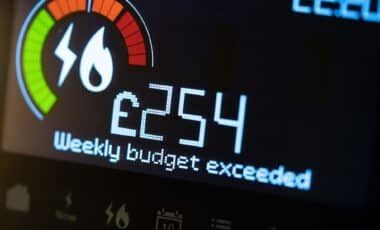
This small decline comes after a period of high energy costs driven by global market turbulence, with the price cap still significantly above pre-crisis levels. Analysts, however, warn that the decrease will be short-lived, as bills are set to rise again from April due to factors no longer linked to wholesale energy prices.
Price Cap Drop Reflects Temporary Fall In Wholesale Costs
The January decrease in elecricity bills is attributed to a modest reduction in wholesale gas prices, which have stabilised slightly compared to the spikes seen during the height of the global energy crisis. Cornwall Insight forecasts that the average household in England, Wales and Scotland will see their annual bill drop from £1,755 to £1,733 over the first three months of 2025.
This adjustment comes under the quarterly Ofgem price cap, which limits what suppliers can charge for a unit of electricity and gas, not the total bill. It affects around 22 million households and is designed to reflect the underlying cost of energy procurement and supply.
According to Dr Craig Lowrey, principal consultant at Cornwall Insight, while the January reduction may be welcome, it does little to ease the wider burden: “Bills are still well above pre-crisis levels and are set to climb again in April, and this time it’s not higher wholesale prices driving the rise.”
The January decrease will also coincide with the introduction of the Nuclear Regulated Asset Base (RAB) levy, a charge expected to add approximately £10 annually to support future nuclear infrastructure. Yet, despite this new cost, the overall average bill will dip slightly for a brief period.
Infrastructure Costs and Policy Levies to Drive April Increase
From April, households are likely to see a rise in energy bills again, with Cornwall Insight predicting an increase of approximately £75 per year for the average household. This upcoming change signals a shift in what drives electricity costs in the UK, from volatile global energy markets to domestic policy and infrastructure expenses.
The key contributors to the projected rise include rising charges associated with electricity transmission and gas distribution. These are linked to the long-term transition towards a cleaner and more resilient energy system, with significant investment required to modernise ageing infrastructure and support renewable energy sources.
“The real pressure is coming from rising non-energy costs,” said Dr Lowrey. “Levies and policy decisions associated with that investment in renewables driving up bills.”
The government, through the Department for Energy Security and Net Zero (DESNZ), acknowledged that bills remain high and emphasised continued support measures, such as the expansion of the Warm Home Discount scheme to cover an additional 2.7 million households. A spokesperson added that the UK’s long-term goal remains to reduce dependence on fossil fuels and stabilise prices with homegrown, clean energy.
Yet, as households navigate the current costs, the short-term reality is shaped by a trade-off between affordability and investment. While renewable transition efforts are designed to protect future energy security, they come with significant upfront costs that are increasingly being passed to consumers.