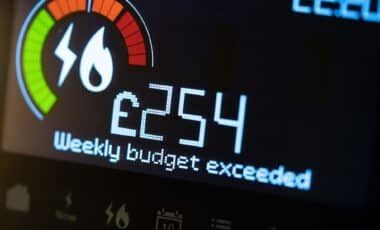
This change, if enacted, would raise serious concerns among advocates for long-term solutions to fuel poverty, who argue that insulating homes and investing in energy efficiency is essential for tackling the root causes of high energy costs.
Fuel Poverty in the UK: A Crisis in the Making
Fuel poverty remains a persistent issue for millions of UK households. According to recent reports, around 12.1 million households across the country struggle to meet the rising cost of energy. This has led to widespread concern about the future of the Warm Homes Plan, a government initiative aimed at improving the energy efficiency of homes to lower heating bills and reduce carbon emissions.
Now, the Labour Party government is considering a major reduction in the programme’s funding to free up resources for more immediate energy relief measures. The proposed £6.4 billion cut, according to government sources, would be used to help people cope with the escalating cost of energy over the winter months. However, this shift has prompted a backlash from experts and organisations focused on long-term solutions to fuel poverty.
Criticism of the Proposed Funding Redirection
Robert Palmer, deputy director of the Uplift think tank, sharply criticised the government’s proposal, pointing to the billions of pounds in profits made by oil and gas companies in recent years. “Oil and gas companies have made billions in recent years while millions of people in the UK have struggled with unaffordable energy bills.” he said.
Palmer’s remarks come at a time when energy companies continue to report massive profits, despite widespread hardship faced by consumers. Many fuel poverty advocates argue that the proposed funding cuts risk exacerbating the underlying issues.
Simon Francis, coordinator of the End Fuel Poverty Coalition, also voiced strong objections to the proposed changes, warning that cutting funding for long-term home improvements could have damaging consequences. “Giving tax breaks to fossil fuel giants and failing to collect tax from large corporations while cutting support for those in fuel poverty are short-term acts of weakness by the Chancellor.” he said.
Annabel Rice, a senior political adviser at the Green Alliance, echoed these concerns, stressing that the government must prioritise insulating homes and reducing energy consumption over the long term. “If the Government is serious about lowering people’s bills for good, they must invest in insulating our homes, not raid schemes that have helped families lower their energy costs to make their sums add up in the Budget.” she stated.
Fuel poverty experts argue that the focus should be on reforming the Eco4 scheme, a government programme designed to support energy efficiency upgrades. The current scheme, which has faced criticism for poor execution, needs to be replaced with a more robust and well-funded initiative that can guarantee lasting reductions in energy bills for vulnerable households.
Government’s Dilemma: Immediate Relief vs. Long-Term Strategy
This debate is taking place against the backdrop of a broader economic strategy. Chancellor Rachel Reeves has reportedly decided against raising taxes on banks in this month’s budget, a move that has been met with mixed reactions. Analysts, including Gary Greenwood of Shore Capital, suggest that in exchange for avoiding higher taxes, banks should focus on driving economic growth, rather than simply profiting from higher interest rates.
With rising costs and a faltering economy, the government faces a difficult balancing act. While immediate relief for struggling households is vital, critics argue that without long-term investment in energy efficiency and insulation, the UK’s energy crisis will only deepen.