

The Department for Work and Pensions (DWP) is preparing to implement a major change in how benefits are monitored, impacting millions of claimants across the UK. Starting in April 2026, the new system will involve increased surveillance of bank accounts for those receiving major benefits.
According to a report by GB News, this reform aims to improve fraud detection and reduce overpayments. Claimants will be subject to automated checks to ensure continued eligibility for support. In this article, we explore the details of these upcoming changes and what they mean for those receiving benefits.
Automated Surveillance of Bank Accounts
The new system will require banks to run automated checks on people receiving means-tested benefits to ensure they remain eligible for financial assistance. Unlike the current system, where investigations are only initiated when there is a reasonable suspicion, the new rules will proactively monitor claimants’ bank accounts.
The primary target of this surveillance is individuals with savings exceeding £16,000, which is the cut-off threshold for Universal Credit eligibility.
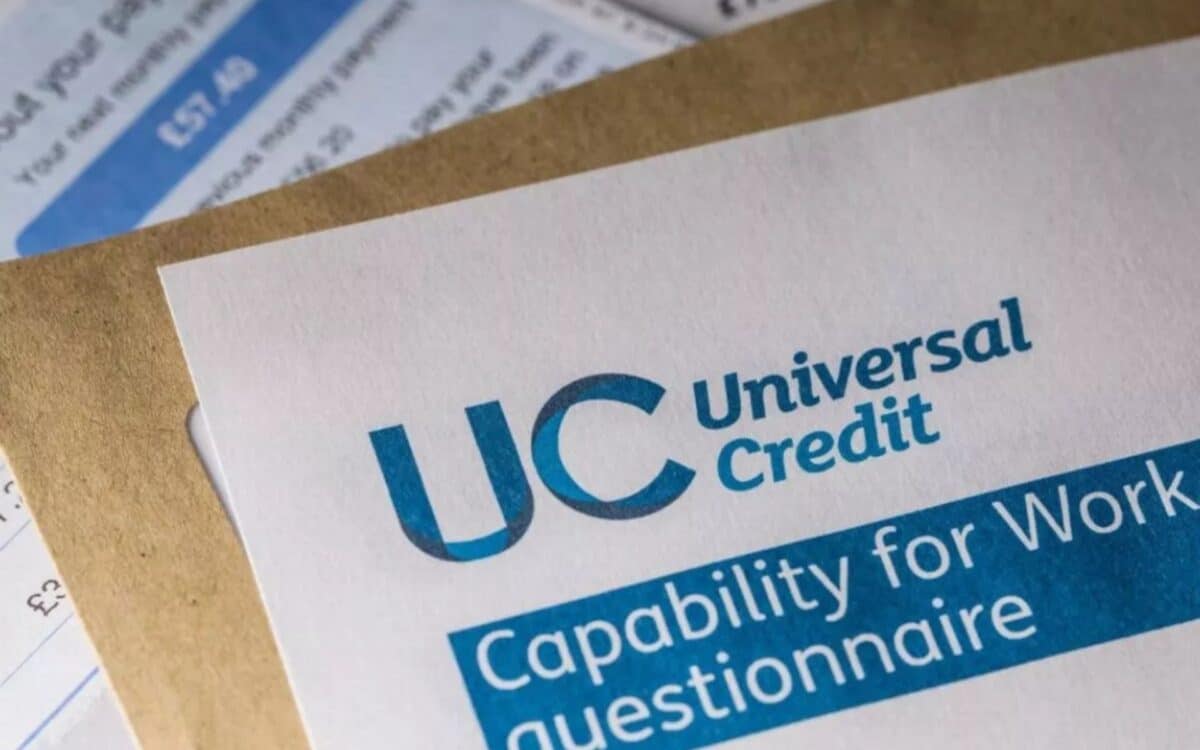
Banks will not be scrutinizing every transaction or spending pattern, but instead will flag specific eligibility markers. If a claimant has more than £16,000 in savings, an “Eligibility Verification Notice” will be sent to the DWP. In cases where the claimant is no longer eligible, a further investigation may be initiated. This automated system will apply to seven key benefits:
- Universal Credit
- Housing Benefit
- Income Support
- Jobseeker’s Allowance (income-based)
- Employment and Support Allowance (income-related)
- Council Tax Support
- Pension Credit
This approach aims to streamline the verification process and improve the accuracy of benefit payments.
The Government’s Objective: Fraud Prevention and Overpayment Reduction
The government estimates that the new system will save around £940 million over five years by reducing fraud and preventing costly overpayments. These reforms will ensure that benefits are only paid to those who are eligible, cutting down on errors and helping to identify fraud earlier. As a result, taxpayers’ money will be better protected, and claimants who meet the criteria will receive more accurate payments.
Currently, financial investigations into claimants can only take place if there are grounds for suspicion. However, once these reforms are implemented, financial institutions will have the ability to flag potential issues without needing a specific reason to suspect fraud. This change is set to bring both efficiency and controversy, particularly as it removes previous safeguards about privacy.
A spokesperson for the DWP said,
Claimants are paid more accurately, more errors are found and resolved, and any suspected fraud can be identified and investigated sooner.
Privacy Concerns and How to Prepare
Naturally, privacy advocates have raised concerns about the potential overreach of this system, particularly for vulnerable claimants. These new checks will introduce continuous monitoring of financial information, a move that some worry could lead to invasive surveillance.
However, the DWP insists that proper safeguards will be in place to protect claimants’ privacy.
Experts recommend that anyone receiving means-tested benefits take steps to prepare for the upcoming changes. They suggest maintaining accurate records of income and savings, especially to avoid any confusion when the new system begins.
This is particularly important for pensioners receiving Pension Credit, as they need to ensure that their savings remain below the £16,000 threshold to maintain their eligibility.
The full system rollout will begin in 2026, with gradual implementation across all seven benefits by the early 2030s. During this period, claimants should be vigilant and proactive about monitoring their finances to avoid issues down the line.