
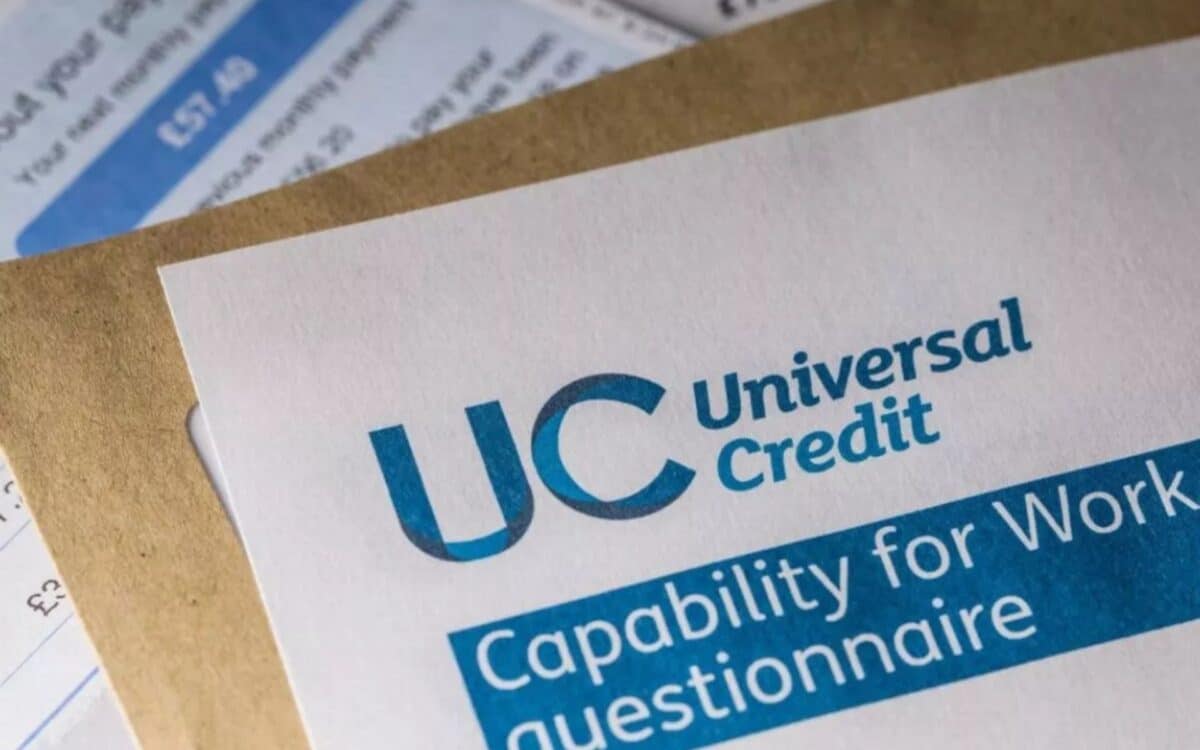
The Department for Work and Pensions (DWP) is continuing its nationwide transition from older means-tested benefits to universal credit (UC), a single-payment system introduced in the UK in 2013 to replace multiple legacy benefits with one streamlined process. By 2018, all new claimants were required to apply for UC, while those still receiving legacy benefits could continue until formally moved over.
According to Manchester Evening News, the migration is being carried out in stages, with letters sent to households advising them of deadlines to apply for UC. The DWP states that the change aims to complete the full transfer in the coming years.
Which Benefits Are Being Replaced
The six benefits being phased out by the DWP represent the main forms of financial assistance previously available under the UK’s legacy welfare system.
Each of these was designed to address specific needs, from providing income for those unable to work to helping with housing costs or supporting families in employment.
Under the universal credit migration plan, recipients of these benefits will be required to move onto the new single-payment scheme, ending the availability of these older forms of support for new claims. The six benefits being phased out by the DWP are:
- income-based jobseeker’s allowance – a means-tested benefit for people unemployed and actively looking for work.
- income-related employment and support allowance – financial help and tailored employment or training support for people with long-term health conditions or disabilities limiting their ability to work.
- income support – assistance for people on low incomes not required to look for work due to specific circumstances.
- housing benefit – support for rent costs for people on low incomes, including those who are unemployed or receiving other benefits.
- working tax credit – paid by HM Revenue & Customs (HMRC) to support low-income workers.
- child tax credit – a benefit to help with the costs of raising children, also paid by HMRC.
No new claims can be made for these legacy benefits; all new applicants must apply for UC.
Migration Process and Deadlines
The DWP began issuing migration notice letters to claimants still receiving these benefits. These letters specify a deadline to claim universal credit, with a clear warning: failing to apply by the stated date can result in a loss of payments.
The migration plan was set out in the Completing the Move to UC policy document, published in April 2022. When UC was first rolled out, it faced criticism for the five-week wait between ending the old benefit and receiving the first UC payment, leaving many households temporarily without income.
Impact on Payments
UC is made up of a standard allowance plus additional amounts for circumstances such as dependent children, disability, or housing needs. The standard allowance increased earlier this year:
- Single under 25: £311.68 → £316.98 per month
- Single 25 or over: £393.45 → £400.14 per month
- Joint claimants both under 25: £489.23 → £497.55 per month
- Joint claimants, one or both 25 or over: £617.60 → £628.10 per month
In April, most means-tested benefits rose by 1.7% in line with the inflation rate recorded the previous September.
Context of Benefit Changes
Other benefits, such as personal independence payment (PIP), remain unchanged. The state pension follows the triple lock system, meaning it increases by the highest of inflation, average wage growth, or 2.5%. This year, it rose by 4.1% in line with wage growth between May and July.
The DWP says the aim of the universal credit system is to simplify welfare payments, provide consistent means-testing, and adapt support more effectively to individual circumstances. For those still on legacy benefits, responding quickly to a migration notice is essential to avoid any break in financial support.