
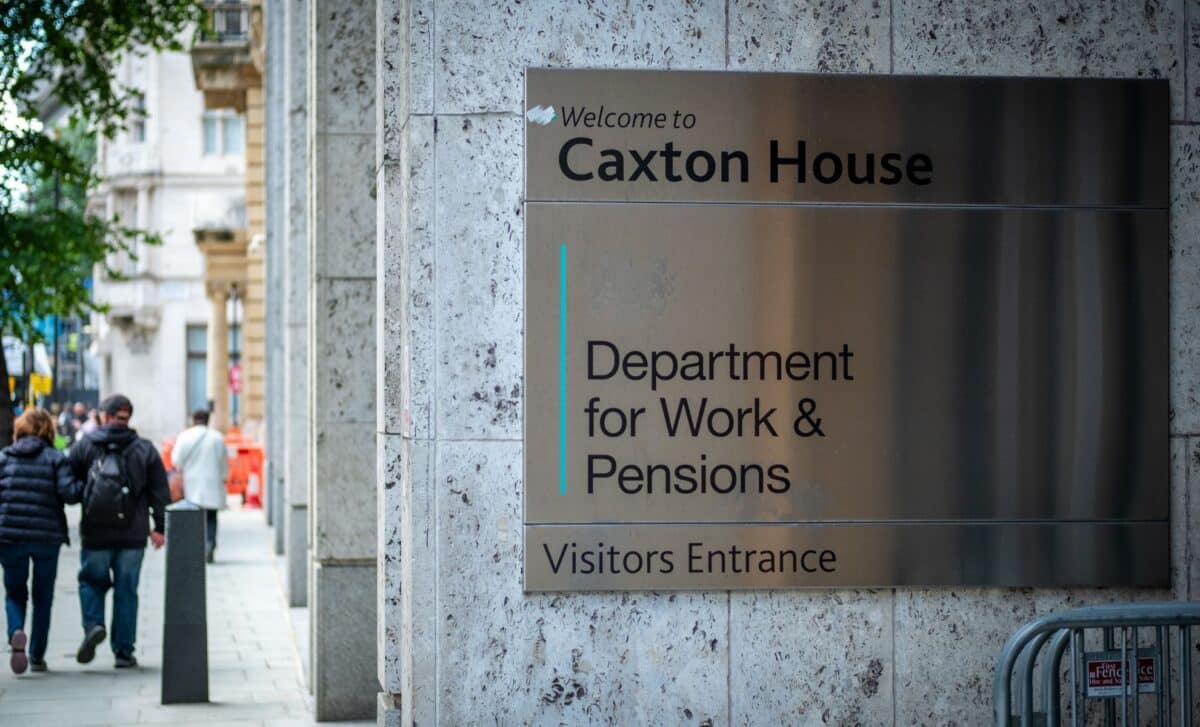
The Department for Work and Pensions (DWP) is facing significant criticism after announcing potential redundancies at a key site in Lincoln. The DWP has warned staff that they may lose their jobs if alternative roles or departments cannot be found, prompting strong responses from unions and local leaders. The news has added to the mounting tensions between DWP management and its workforce, especially as this comes amid ongoing industrial action. According to BirminghamLive, the situation has sparked a wave of frustration over the lack of support and communication from the department.
The DWP’s Decision to Close Lincoln Office
The DWP’s decision to close its Lincoln City Hall office and potentially make over 80 staff redundant has caused significant concern among workers. This move is part of a broader strategy to consolidate operations into “fewer, larger, more economically viable sites.” While the department has assured employees that redeployment is a priority and a voluntary redundancy scheme is in place, many staff members remain uncertain about their future.
Union representatives have strongly criticized the timing of the redundancy announcements, which came after escalating industrial action by employees. Ian Fisher, the union branch chair, expressed his frustration, stating,
“To announce redundancies only after the escalation of industrial action is a new low for the DWP, who have failed to have any empathy throughout this whole process.”
This sentiment reflects the growing sense of betrayal felt by workers, who had hoped for more transparent communication from the DWP.
The Human Cost of the DWP’s Decisions
The announcement has not only caused professional instability but has also left many employees feeling personally and emotionally affected. The Department for Work and Pensions, which is responsible for supporting millions of vulnerable people across the UK, is now under fire for its handling of the situation. Fran Heathcote of the Public and Commercial Services Union (PCS) highlighted the lack of compassion in the department’s actions, stating that union members are “being cast aside with little remorse” despite having dedicated decades of service to the DWP.
The PCS Union has also criticized the prolonged uncertainty, noting that previous denials of redundancy had only “prolonged uncertainty and stress” among staff. Many workers had hoped that the DWP would find alternative solutions to avoid job losses, but as the closure looms closer, the sense of insecurity has intensified.
“Colleagues have repeatedly asserted their preference for continued employment over redundancy pay-outs, making clear they want jobs, not compensation,” said Ian Fisher, underscoring the sentiment shared by many DWP staff.
The Role of Trade Unions and Strike Action
The decision to close the Lincoln office has also led to increased union activity, with workers preparing for strike action. The PCS Union has confirmed that it will hold a strike from December 1 to January 2, as members rally against the redundancies and the office closure. Bradley Wall, secretary of the Lincoln and District Trades Council, emphasized the significance of the strike, saying that it showed “the strength, pride and determination of Lincoln’s workforce.” Wall further added that “Closing this office would be a betrayal, not just of the staff but of Lincolnshire itself,” a sentiment shared by many in the local community who view the office as an important employer in the region.
Management’s Response to Criticism
While the DWP has faced substantial backlash, the department’s leadership has attempted to manage the situation with a focus on support for affected employees. Rob Clarbour, the national services leader, wrote in a letter to staff,
“I understand that changes like this can cause upset and uncertainty. Please be assured that I, and the Department, remain committed to supporting all impacted colleagues throughout this time.”
Despite this reassurance, many workers remain skeptical, feeling that the department’s support has been insufficient given the significant personal and professional challenges posed by the closure.
The Impact on Local Communities
The potential closure of the Lincoln office has broader implications for the local economy and community. With more than 80 jobs at risk, the decision has raised questions about the DWP’s commitment to local economies, particularly in regions where such offices provide important employment opportunities. The union and local leaders argue that this decision will have a far-reaching impact, with many residents relying on the DWP as one of the few large-scale employers in the area.
For many workers, the closure represents not just a job loss but a blow to their sense of community and stability. As Lincoln residents prepare for the strike action, the closure of the office appears to symbolize a broader trend of privatization and downsizing within government services, which may leave local communities vulnerable.