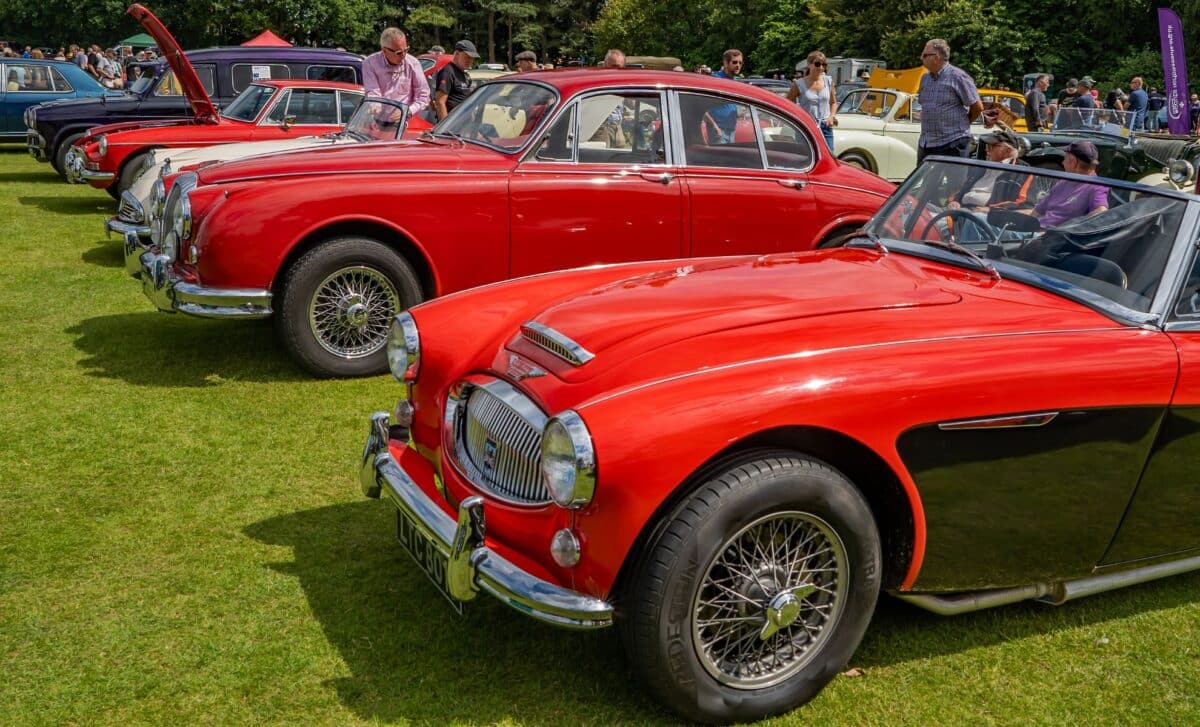
Cars, bikes and even buses over 40 years old can now benefit from a zero road tax bill in the UK, as nearly two million vehicles meet the eligibility criteria. Under regulations set by the DVLA, any vehicle that has reached the age of 40 qualifies for what is officially known as a Historic Vehicle Tax Class.
The latest data from the Federation of British Historic Vehicle Clubs (FBHVC) shows that interest in vintage vehicles continues to grow. The organisation’s 2025 National Historic Vehicle Survey (NHVS) estimates that 1,934,178 historic vehicles are currently registered with the DVLA, with a sharp rise in public engagement reported across the board.
Tax Exemption Applies to Vehicles Aged 40 and Above
Under current DVLA rules, vehicles qualify for free road tax from the April following their 40th anniversary of manufacture. For example, a car made in 1985 would have been eligible for exemption as of April 2025. This rolling system continues year on year, meaning additional models are regularly added to the tax-free category. According to the DVLA, vehicles registered before January 8 of the relevant year are still eligible if their exact manufacturing date is unknown.
This includes a wide range of makes and models from the mid-1980s, such as the Ford Escort Mk4 and the BMW 3 Series cabriolet, both of which are now starting to meet the criteria. However, the exemption does not apply to vehicles used for commercial purposes or for hire and reward, including taxis.
According to DVLA guidance, motorists must still apply for vehicle tax at a participating Post Office, even if the amount payable is zero. Applicants need to bring their V5C log book, vehicle tax reminder letter (V11) if available, MOT certificate or exemption declaration (V112), and proof of identity if required. If the vehicle’s log book is missing, owners can fill out a V62 application form and pay a £25 fee.
Strong Public Interest and Economic Impact Behind Historic Vehicles
The FBHVC’s 2025 survey reveals a significant public appetite for classic vehicles. According to its findings, 22.7 million UK adults consider historic vehicles to be an integral part of national heritage, while 9.7 million have expressed a desire to own one. In 2024 alone, 4.3 million people attended a historic vehicle event, marking a 100 percent increase compared to 2020.
David Whale, Chairman of the FBHVC, described the sector as an “economic and cultural asset”. He noted that the industry is now worth £7.3 billion annually and supports more than 34,500 skilled jobs. Whale emphasised the need to preserve this ecosystem, saying: “The average owner is now in their sixties, and we urgently need to inspire and train the next generation.”
Despite the tax break, owners must remember to complete the legal process each year. The DVLA will continue to send out reminders even if the vehicle is exempt from payment. Failing to tax a vehicle can result in an £80 fine, regardless of whether a payment is due.
Vehicles can remain in use while applications are being processed, and any refund due will be sent within six weeks, according to DVLA procedures. For drivers in Northern Ireland, additional documents such as a valid MOT and insurance certificate must also be submitted during the process.