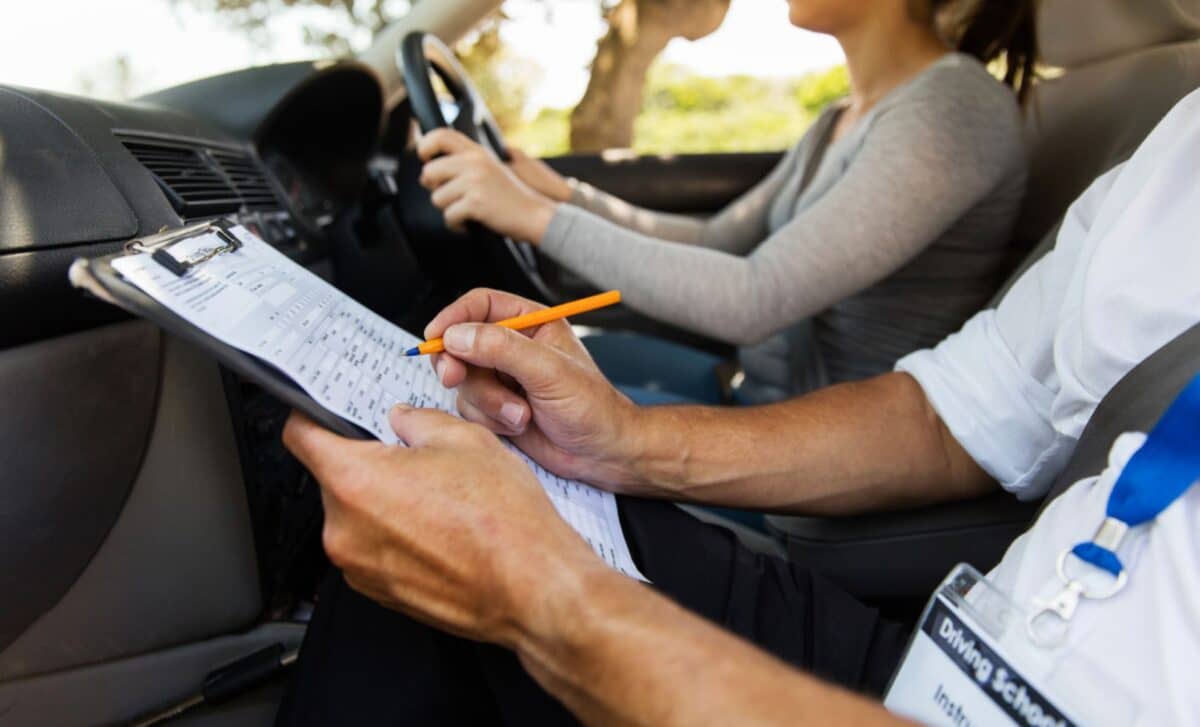
The Driver and Vehicle Standards Agency has announced firm dates for sweeping changes to how driving tests are booked in Britain, confirming a three-stage reform that begins this month. The move follows mounting evidence that automated programmes and third-party sellers have been gaming the system, leaving genuine learners to pay as much as £500 for tests that officially cost just £62.
The announcement comes after a public consultation that ran from May to July 2025 and drew more than 100,000 responses. Of the 93,421 responses analyzed, 72 percent came from learner drivers themselves, a signal of just how acutely the current dysfunction is felt by those it most directly affects. The backlash has been building for some time: a BBC investigation in December found that some driving instructors were being offered kickbacks of up to £250 a month to sell their official test-booking login details to touts, who would then use those credentials to book tests in bulk and resell them via WhatsApp and Facebook.
A Phased Crackdown With Clear Deadlines
The reforms are being introduced in three stages. The first, effective March 31, limits learners to just two amendments on any car test booking, down from the previous allowance of six. The most significant change arrives on May 12, when only learner drivers will be permitted to book, change, or swap a car driving test, ending the longstanding practice of instructors managing bookings on behalf of their students. A third restriction, coming into force on June 9, will cap location transfers to the three nearest test centers from where the original examination is booked.
Roads Minister Simon Lightwood was direct about the motivation behind the changes. “Learners deserve clear, honest access to tests – not being ripped off by third-party sites,” he said. “These changes put learners back in control, stop the system being gamed, and help make sure tests go to those who really need them.” According to the DVSA, the location restriction in particular is intended to deter speculative bookings at centers where a learner has no genuine intention of sitting their test, giving the agency a clearer picture of where examiner resources are most needed.
A Backlog That Has Tested Public Patience
The reforms arrive against a backdrop of serious systemic strain. The DVSA confirmed the changes would build on the more than 149,000 additional tests delivered between April 2025 and February 2026, though the scale of the problem remains considerable. The average waiting time for a test stood at 22 weeks in September 2025, more than four times the roughly five-week wait that existed before the pandemic disrupted operations in 2020. The National Audit Office warned that the backlog, which amounts to 1.1 million tests not carried out in the 2020–21 financial year, will not be fully cleared until November 2027.
Not everyone is convinced the new rules are sufficient. Conservative shadow transport secretary Richard Holden dismissed the measures as cosmetic, telling the BBC the changes “barely touch the sides of the real problem” and accusing the government of overpromising while leaving learners waiting. The DVSA, for its part, acknowledged the reforms represent a significant shift, particularly for instructors, but said the evidence from the consultation left little doubt about the direction of travel: 70.7 percent of respondents agreed or strongly agreed with restricting bookings to learner drivers only.