The Labour government has unveiled plans to introduce a new High Value Council Tax Surcharge (HVCTS), targeting owners of high-end residential properties. The measure, scheduled to take effect from April 2028, applies exclusively to property owners, not tenants, and marks a significant shift in how the upper tier of the housing market will be taxed.
Announced by the Valuation Office Agency, the surcharge will apply to properties in England worth £2 million or more, with valuations to be conducted independently of the existing 1991-based council tax band system. This targeted approach aims to capture current property values more accurately, amid growing pressure to increase public revenue without affecting the broader population.
Four New Surcharge Bands Introduced for High-Value Homes
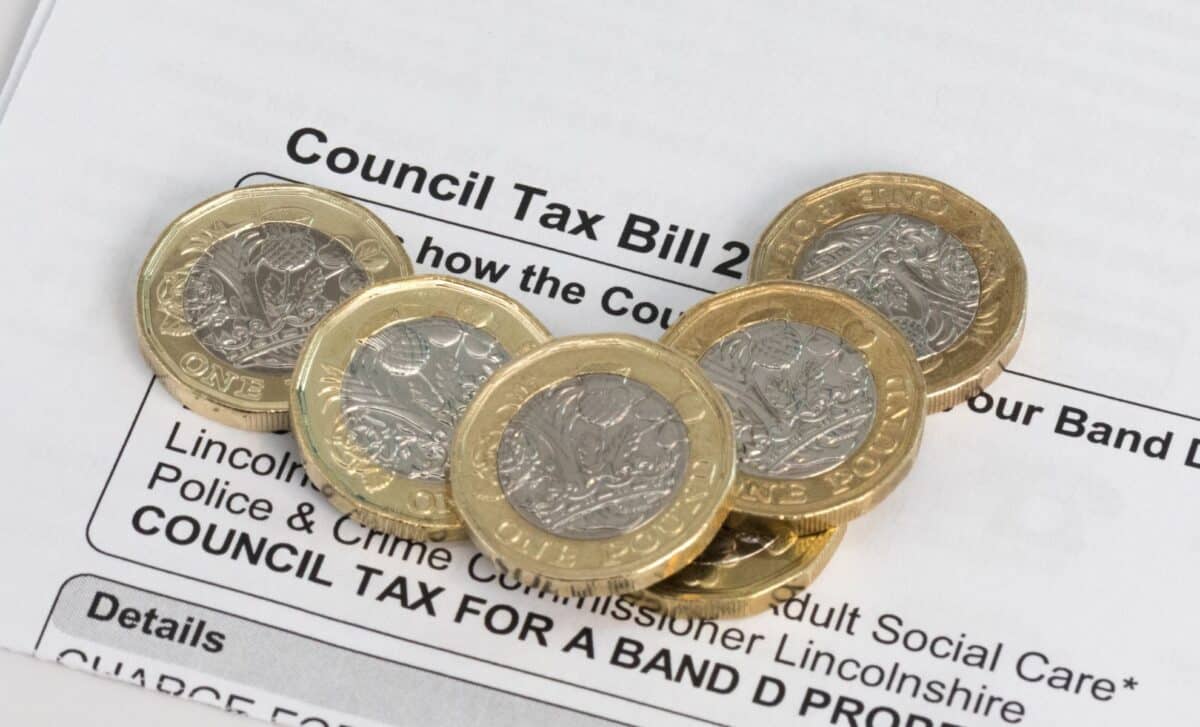
Under the upcoming HVCTS framework, residential properties valued over £2 million will fall into one of four new surcharge bands. According to the Valuation Office Agency, the annual charge will start at £2,500 for properties just above the threshold and will reach £7,500 for homes valued above £5 million. The surcharge will be collected in addition to existing council tax bills but will not be influenced by the property’s current council tax band.
The agency stated, “The surcharge will not be determined by current Council Tax bands, which are based on property values from 1991… Council tax bands will not be used to determine eligibility for the surcharge and will have no bearing on a property’s HVCTS band.” Instead, a dedicated valuation process will be carried out in 2026 to assess which homes qualify, and each will be allocated a band accordingly.
This separate valuation is expected to affect only a small proportion of properties, though exact figures on how many households will be impacted have not been released. The Government maintains that the move is designed to ensure the wealthiest property owners contribute more, while leaving the majority of households unaffected.
Market Responds Cautiously as Budget Effects Begin to Settle
The housing market has shown mixed responses following the Budget announcement and confirmation of the new property surcharge. According to Birmingham Live, HMRC reported around 98,450 home sales across the UK in October 2025, representing a 2% year-on-year decrease but a modest 2% increase from the previous month.
Estate agents anticipate a potential surge in transactions for properties valued just below the £2 million threshold, as sellers and buyers adapt to the new tax environment. Nick Leeming, chairman of estate agency Jackson-Stops, noted: “It is likely we will see more stock come to the market in the short-term, with minor price adjustments for properties just over the £2 million cliff edge.”
He also suggested that this could lead to increased pressure on mid-tier markets, particularly in the South East, as buyers shift their focus to avoid the additional charge. Sarah Coles, head of personal finance at Hargreaves Lansdown, added that the surcharge, informally labelled a “mansion tax”, may influence high-end property decisions, though she believes the overall impact will remain limited. According to her, “The fact that the Budget didn’t deliver a major blow for buyers should help support sales in the coming months.”
Elsewhere, estate agency Jeremy Leaf in north London suggested that improving affordability and the likelihood of a base rate cut could offset any dampening effect caused by the surcharge. A spokesperson remarked, “With the Budget out of the way… the impact on housing market activity should be minimal at worst.”
As the sector digests the upcoming policy change, attention now turns to how valuations will be conducted and how property owners, particularly those near the £2 million mark, will navigate the revised landscape.