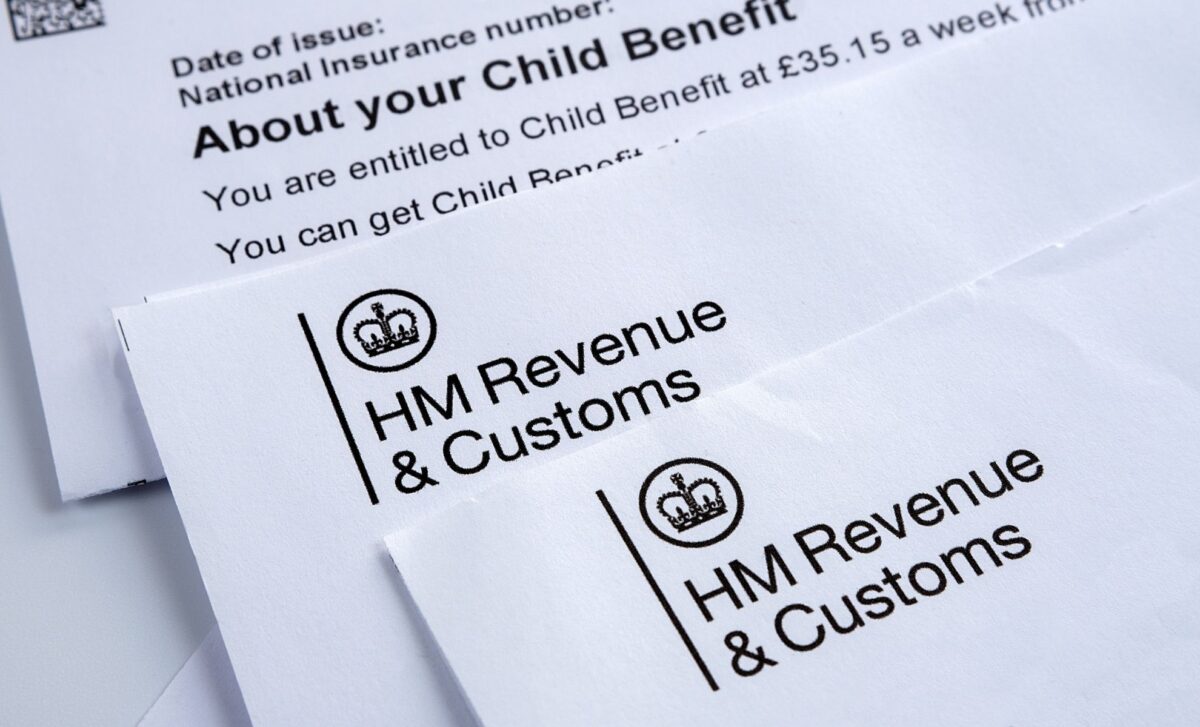
In a bid to make tax administration easier for parents, HMRC has introduced a significant reform to the Child Benefit system. Starting from this week, parents with high incomes will no longer need to file a self-assessment tax return to repay the High Income Child Benefit Charge (HICBC). This change, part of the government’s broader efforts to modernise tax processes, simplifies an often burdensome procedure for thousands of parents.
The High Income Child Benefit Charge applies to parents who earn over £60,000 annually, requiring them to repay some or all of their Child Benefit. Previously, this meant completing a self-assessment return, a process which could be complex and time-consuming. The new system, however, will automatically adjust tax codes to deduct the charge directly from pay or pension income. This change, welcomed by many, marks a major shift in how the government handles the Child Benefit process.
Simplified Tax Code Adjustments: What This Means for Parents
The primary benefit of this reform is the removal of the need for self-assessment tax returns for parents earning over £60,000. Instead of the traditional route of manually filing returns, parents will now have their tax code adjusted to account for the High Income Child Benefit Charge. This means that parents will no longer need to submit a separate self-assessment to repay the charge, which could save time and reduce administrative burdens.
According to HMRC, this system will also be more accurate, reflecting changes in both income and Child Benefit entitlement in real-time through tax codes. This new method also provides a more straightforward way for parents to manage their finances, as fluctuations in earnings will be handled without requiring extra paperwork.
The change is particularly significant for those whose incomes can fluctuate from year to year. By incorporating the charge directly into their PAYE system, parents are less likely to experience unexpected bills or tax surprises when they file their returns.
The Wider Impact on Claimants and Tax Administration
While the reform primarily affects those paying the High Income Child Benefit Charge, its ripple effects are felt across the wider Child Benefit system. In addition to simplifying the repayment process, the new system ensures that parents receive their Child Benefit payments as usual, with no interruptions or delays. This improvement to the system aligns with the government’s wider strategy to make tax procedures less burdensome and more accessible to the public.
The move to automatic tax code adjustments also signals a shift towards modernisation in how HMRC operates. By embracing technology to reduce the need for manual intervention, the government is making strides in improving tax efficiency.