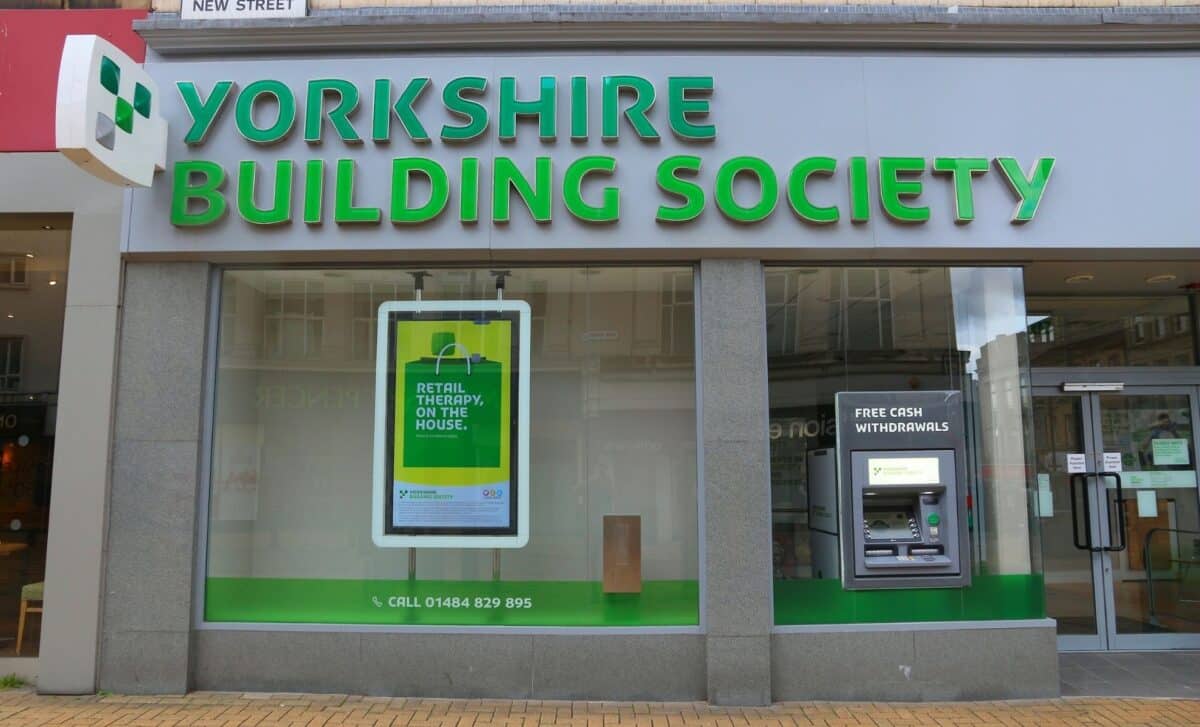
As households continue to face rising living costs and economic uncertainty, preparing for the financial strain of the holiday season remains a significant concern for many. In response, Yorkshire Building Society has relaunched its Christmas Regular Saver, providing a structured savings solution with an appealing 5% variable interest rate.
This marks the fifth consecutive year that the account has been made available. It allows customers to build a Christmas fund gradually, offering both discipline and flexibility in the lead-up to the festive period. According to the mutual, the initiative aims to ease seasonal pressures and encourage long-term saving habits.
A High-Interest Savings Account with a Fixed Maturity Date
Yorkshire Building Society’s Christmas Regular Saver permits deposits of between £1 and £150 per month, with savers able to access the funds on 31 October 2026. The account includes one penalty-free withdrawal day each year and can be closed early if needed. According to the society, it can be opened through its branches, agencies, or online.
Tina Hughes, Director of Savings at Yorkshire Building Society, said the account is designed to “snowball” savings over time, helping customers avoid financial stress during what is often the most expensive period of the year. “We’re really proud to bring back this popular account for yet another year, giving people the chance to plan ahead and enjoy the season stress-free,” she stated.
Figures shared by the building society highlight the account’s impact in previous years. Since its initial launch, over 75,000 savers have collectively set aside more than £100 million to support their festive budgets. Savers who took part in the 2025 cycle ended the year with an average balance of £1,020, offering a meaningful financial buffer ahead of Christmas shopping and related events such as Black Friday.
According to Yorkshire Building Society, the product remains one of the most competitive on the market, particularly for those seeking a targeted savings goal. The account’s structure is intended to foster consistent habits and reduce reliance on credit over the festive period.
Addressing Financial Wellbeing amid Seasonal Pressures
The relaunch of the savings account comes at a time when UK households are placing increasing emphasis on financial wellbeing. According to Yorkshire Building Society’s research, 22% of UK adults made New Year’s resolutions centred on improving their financial outlook for 2026. Among them, individuals expected to spend an average of £377 on tools and services aimed at budgeting, saving, or planning for the future.
The same research shows that nearly half of those surveyed (48%) believe investing money in such tools is unnecessary, though 41% think doing so increases their likelihood of sticking to resolutions. These figures reflect a growing awareness of the importance of building financial resilience, especially following the high-spend Christmas period. In 2025, the average UK household spent £596.70 on the holiday season, with over a third relying on borrowing or credit to fund their celebrations. The resulting debt typically took 3.5 months to repay.
Yorkshire Building Society suggests that adopting a simple savings habit, such as the one supported by the Christmas Regular Saver, could help mitigate post-holiday debt and establish a foundation for broader financial planning. According to Tina Hughes, “This tells us that households are thinking long-term, not just about festive spending but about building resilience and confidence in their finances.”
While the account is specifically framed around Christmas, the mutual notes that the habit of regular saving can extend beyond the holiday season. As Hughes concluded, the savings model “could lead to a healthy financial future” when sustained over time.