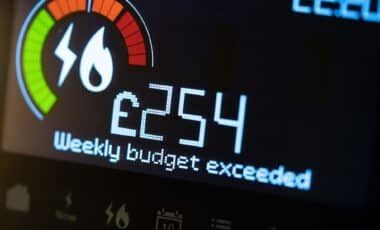
As winter approaches, many UK households brace for higher energy costs, especially with the rising prices of gas and electricity. However, a heating expert has revealed simple yet effective methods that could help customers of major UK energy providers like British Gas, EDF, EON, Ovo, and Octopus save money. These practical tips aim to reduce heating costs by targeting usage patterns, optimising thermostat settings, and improving radiator efficiency.
Optimising Heating Timings to Save Money
Energy experts often advise that a small tweak to heating schedules can make a significant difference to household bills. According to John Klee, heating and technology expert at BestHeating, the ideal time to have the heating on is between 7.30am and 4pm. This period corresponds with daylight hours when the sun is less likely to be providing warmth, meaning the heating system will be more effective during this window.
Rather than keeping the heating on for long periods throughout the day, Klee recommends using a timer to limit heating to just six hours per day, significantly cutting down unnecessary energy consumption. The exact savings will vary depending on the individual household, but by shortening heating periods from 12 hours to 6 hours a day, users could potentially save as much as £150 a year. This small adjustment in routine could go a long way in helping families reduce their winter energy expenses.
In addition to reducing heating times, Klee suggests that consumers should aim to lower their thermostat settings. The common tendency is to set thermostats to 20°C or higher to ensure comfort during colder months, but Klee argues that 18°C is often sufficient and comfortable for most homes. Lowering the thermostat by just one degree can save up to £80 a year, or around 10% on gas bills, offering another straightforward way to reduce costs.
Maximising Radiator Efficiency
Along with adjusting heating schedules, making small changes to how radiators are used and maintained can also contribute to cost savings. Klee emphasises the importance of checking for cold spots at the top of radiators. These cold spots often indicate that hot water is not circulating properly, meaning the radiator isn’t performing at its full potential. Ensuring water flows freely through the radiator can improve its efficiency and potentially save households up to £130 annually.
Another key piece of advice is to avoid blocking radiators with furniture or other items. While it may seem harmless, placing sofas, tables, or chairs in front of radiators prevents heat from circulating effectively. Klee advises leaving at least 20cm of space between furniture and radiators, allowing heat to flow freely into the room. This simple change can reduce the strain on a heating system and help it perform more efficiently.
For households that are particularly concerned with the appearance of their radiators, Klee suggests upgrading to designer radiators. Not only can these provide better performance, but they can also enhance the aesthetic appeal of a room. This option, while an investment upfront, can contribute to a more energy-efficient home environment in the long term.
In the face of rising energy prices, it is essential for consumers to adopt strategies that will reduce heating costs without sacrificing comfort. By making a few simple changes—such as limiting heating hours, adjusting thermostat settings, and ensuring efficient radiator use—customers of British Gas, EDF, EON, Ovo, and Octopus can save money while staying warm this winter.