The UK government has unveiled a £1 billion investment package aimed at helping British businesses transition to electric vehicles, with discounts of up to £81,000 available on the heaviest zero-emission trucks. The announcement, made on Wednesday, targets the logistics sector, an industry worth £170 billion and supporting 2.7 million jobs across the country.
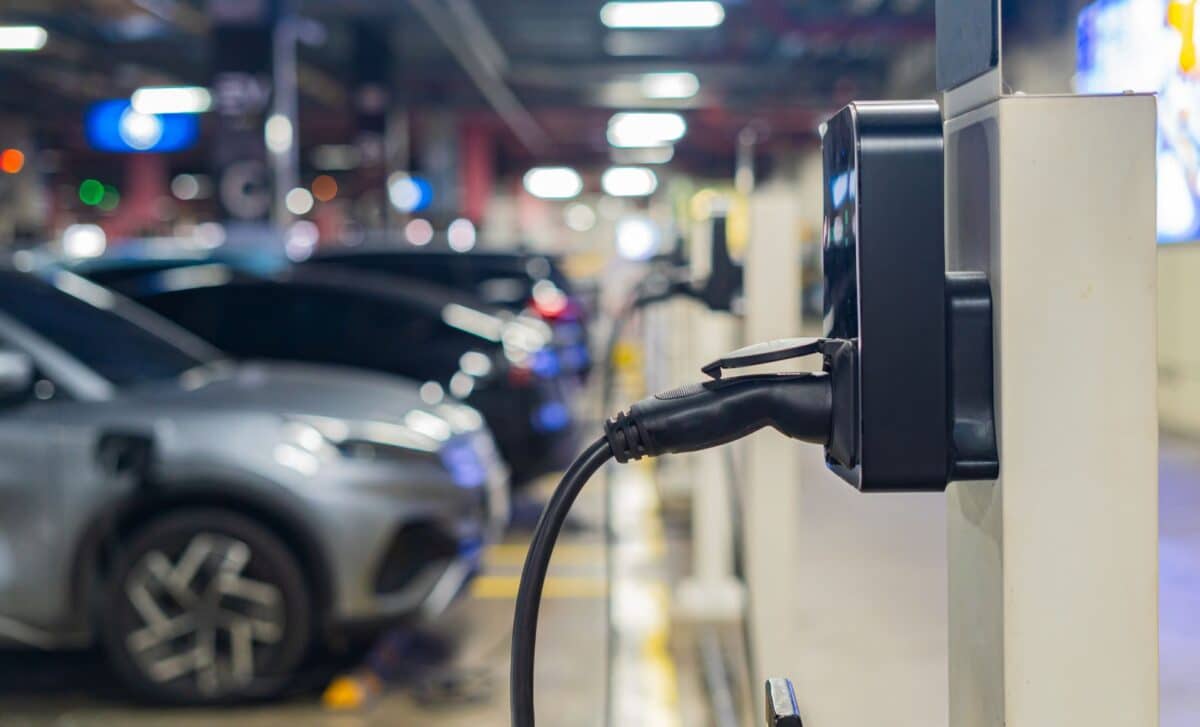
The funding spans two major schemes: the Zero Emissions Truck and Van grants, which subsidize the upfront purchase of electric commercial vehicles, and the Depot Charging Scheme, designed to help businesses build the charging infrastructure required to run them. Together, the measures aim to remove what officials describe as the two most significant barriers to fleet electrification, cost and access to power.
Grants Cover Vehicles and Charging Infrastructure
The centerpiece of the package is a truck grant covering up to 40 percent of the cost of the heaviest zero-emission vehicles, translating to savings of as much as £81,000 per unit. Smaller operators will also benefit, with the Zero Emission Van Grant offering discounts of up to £5,000 on new clean vans.
According to the Department for Transport, the Depot Charging Scheme will receive a £170 million boost, covering an estimated 70 percent of the cost of installing chargers for vans, coaches, and heavy goods vehicles. Individual businesses and public authorities will be eligible to claim up to £1 million through the scheme. Aviation, Maritime and Decarbonisation Minister Keir Mather said the investment “cuts costs for British businesses, supports jobs, cleans up our roads, and gives operators protection against shifting global fuel prices.”
Several major companies have already benefited from earlier tranches of government support. Marks & Spencer has integrated 24 battery electric vehicles into its transport fleet as part of its target to become a net zero business by 2040, while Wren Kitchens and Bedrooms has deployed 44-tonne electric trucks alongside rapid charging infrastructure at its depots.
Industry Welcomes Investment but Flags Operational Risks
The response from industry bodies has been broadly positive, though not without caveats. Toby Poston, chief executive of the British Vehicle Rental and Leasing Association, described the Depot Charging Scheme as playing a “vital role” in making chargers more affordable and reliable, adding that the support would encourage smaller rental operators to electrify at scale.
Jarrod Birch, head of policy and public affairs at ChargeUK, noted that the government had responded directly to calls from the sector. According to Birch, the combination of vehicle grants and depot charging funding “will really help to tackle businesses’ up-front costs when considering electrification.” He cautioned, however, that fleet owners who invest in electric vehicles without accounting for high running charges risk being financially “crippled.”
The funding arrives as pressure mounts on the sector to meet mandatory targets under the Zero Emission Vehicle mandate. By the end of 2026, 33 percent of car sales and 24 percent of van sales must be zero emission. Those figures climb steeply through the decade, with 80 percent of cars and 70 percent of vans required to be electric by 2030, ahead of a full ban on new petrol and diesel car and van sales in 2035.