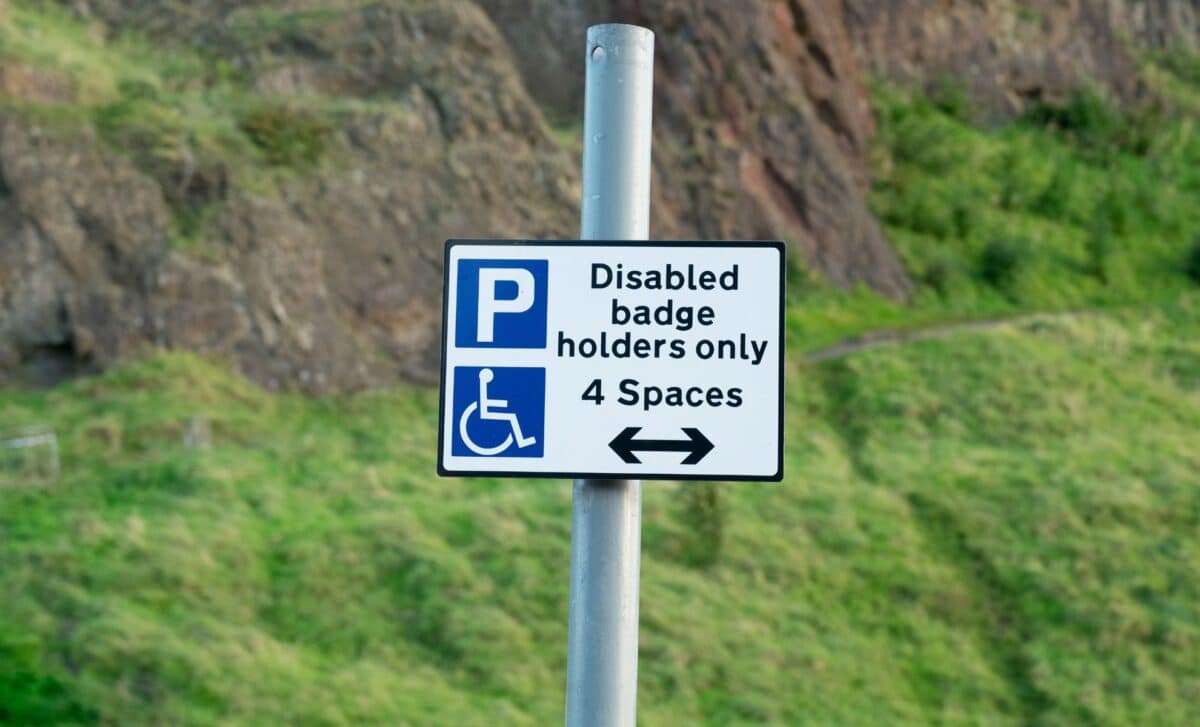
The Blue Badge scheme provides essential parking concessions to over 3.2 million people across Great Britain, offering those with disabilities greater access to public spaces. However, with this privilege comes responsibility, and Blue Badge holders must adhere to specific rules regarding where they can park. Misuse of the badge can result in fines or even the return of the badge, according to updated guidance on MYGOV.SCOT.
While the Blue Badge is an invaluable resource for those with mobility issues, it does not grant unrestricted parking privileges. Understanding the boundaries of where you can park is crucial, not only to avoid penalties but also to ensure spaces remain available for those who truly need them.
Where Can Blue Badge Holders Not Park?
There are several critical areas where Blue Badge holders must refrain from parking, even if they are entitled to other parking benefits. For instance, Blue Badge holders are not permitted to park in loading bays unless specific signage indicates an exception for badge holders. This rule aims to keep areas designated for deliveries free for their intended purpose.
According to MYGOV.SCOT, Blue Badge holders must also avoid parking in areas marked with one or two yellow kerb lines, as well as spaces reserved for particular users, such as residents or taxis. Additionally, parking is prohibited on pedestrian crossings, zigzag lines, clearways, and bus stops, as these locations are designed to maintain the flow of traffic and ensure public safety.
The regulations extend to bus, tram, or cycle lanes, where parking is strictly prohibited to avoid disrupting public transport services. Blue Badge holders should also steer clear of school ‘keep clear’ zones and any areas with temporary restrictions, such as roadworks or no-waiting cones.
The Risks of Misusing a Blue Badge
While the Blue Badge scheme offers flexibility, misuse can lead to serious consequences. The most common misuse occurs when people allow others to use their badge when they are not present. This is a violation of the rules and can lead to fines or the confiscation of the badge. Similarly, using an expired badge or displaying it in a manner that makes it unreadable from outside the vehicle is strictly forbidden.
According to the latest guidance, tampering with a parking permit or making unauthorised copies is a criminal offence. Local council officers and police have the authority to check badges, ensuring that only those genuinely eligible for the scheme benefit from its provisions.
Ultimately, the Blue Badge is a valuable tool for individuals with disabilities, but it must be used responsibly. By adhering to the rules, holders can continue to enjoy the benefits of the scheme without facing penalties or restrictions.