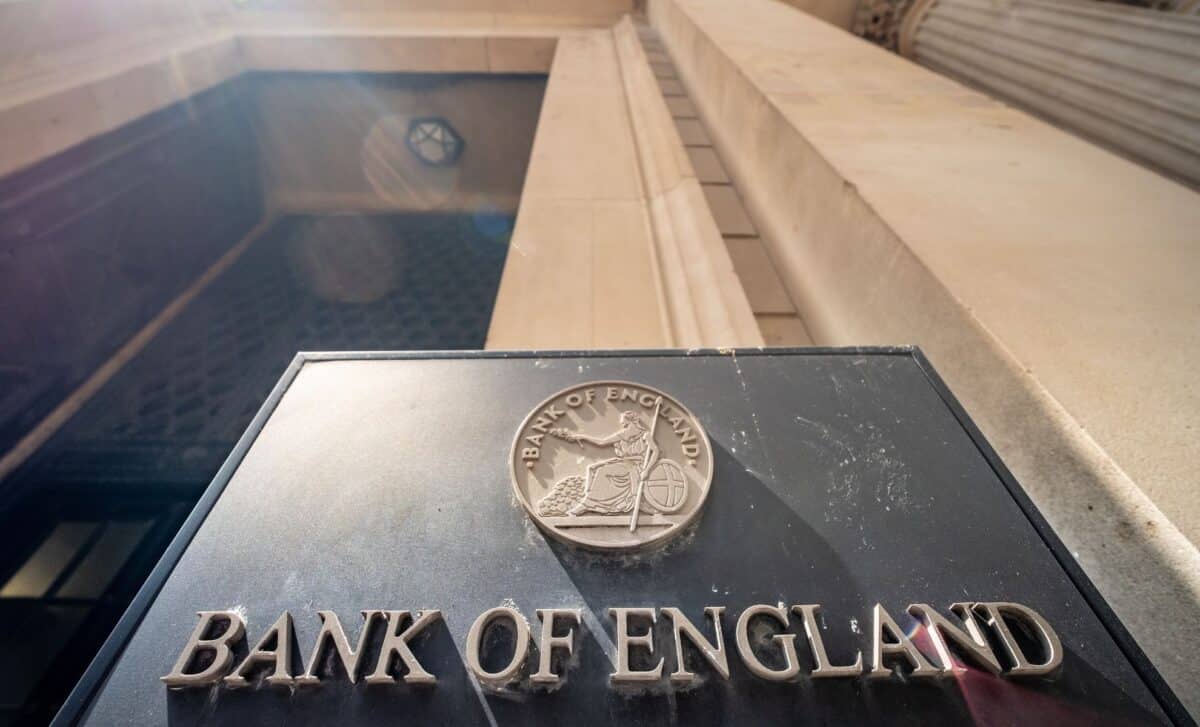
Private credit, which has surged in popularity since the global financial crisis of 2008, now plays a vital role in the UK and global economy. Yet, as the sector grows, so does concern among regulators about its opacity and the risks it could pose. With significant financial power and few oversight mechanisms, private credit firms have the potential to trigger a financial crisis if they were to face a major downturn. The Bank of England’s decision to put the industry under scrutiny through a stress test is an important step in assessing these risks.
A Growing, but Opaque Sector
Private credit firms have rapidly expanded since the 2008 financial crisis, filling a gap left by traditional banks, which have faced tighter regulations and are often unwilling to provide long-term loans to certain businesses. These non-bank lenders have been able to offer more flexible, higher-return investments by lending to companies that struggle to secure traditional bank financing.
According to the Bank of England, private credit funds now hold a substantial presence in global finance. However, their rapid expansion has sparked concerns about the lack of transparency within the sector. Unlike traditional banks, private credit firms are not subject to the same stringent regulations, making it difficult for regulators to assess the scale of their operations or their potential impact on the economy in times of crisis.
The Bank of England’s stress test, known as the “system-wide exploratory scenario exercise” (SWES), aims to understand how these firms would respond to economic shocks. It will also explore the links between private credit firms and traditional banks, which have become increasingly intertwined over the years. This interaction raises concerns that a crisis within the private credit sector could quickly spill over into other areas of the financial system, creating widespread instability.
The Major Players Involved
Despite the voluntary nature of the Bank of England’s stress test, many of the biggest players in the private credit sector have agreed to participate. Firms such as Goldman Sachs, Carlyle Group, and Blackstone, alongside investment giants like Ares and Apollo, will take part in the exercise, which is scheduled to be carried out next year. According to Sarah Breeden, the Bank of England’s deputy governor for financial stability, this collaboration will help build a “system-wide understanding” of the risks the sector poses.
Breeden emphasised the importance of private credit in supporting UK businesses, stating that “private equity and private credit play an increasingly valuable role in helping UK companies to innovate, invest, and grow.” However, she also acknowledged that understanding how these firms would behave in times of economic stress is crucial to preventing potential disruptions to the wider financial system.
The stress test will take place over two rounds, and it will evaluate how private credit firms would react to various market conditions, testing “system-wide interactions and amplification effects.” While the initial findings are expected to be released in 2026, a final report is set to be published in 2027.
Implications for Financial Regulation
The stress test is also a crucial step in addressing the growing concerns about the regulatory gaps within the private credit sector. While traditional banks are subject to rigorous stress tests, private credit firms are largely unregulated, raising questions about their resilience in a financial crisis. This lack of oversight is one of the reasons why regulators are increasingly focused on the sector.
The results of the SWES exercise could help inform future regulatory measures, potentially leading to tighter controls over private credit firms. If the test reveals significant vulnerabilities, the Bank of England may introduce measures to safeguard the wider economy from potential shocks.