
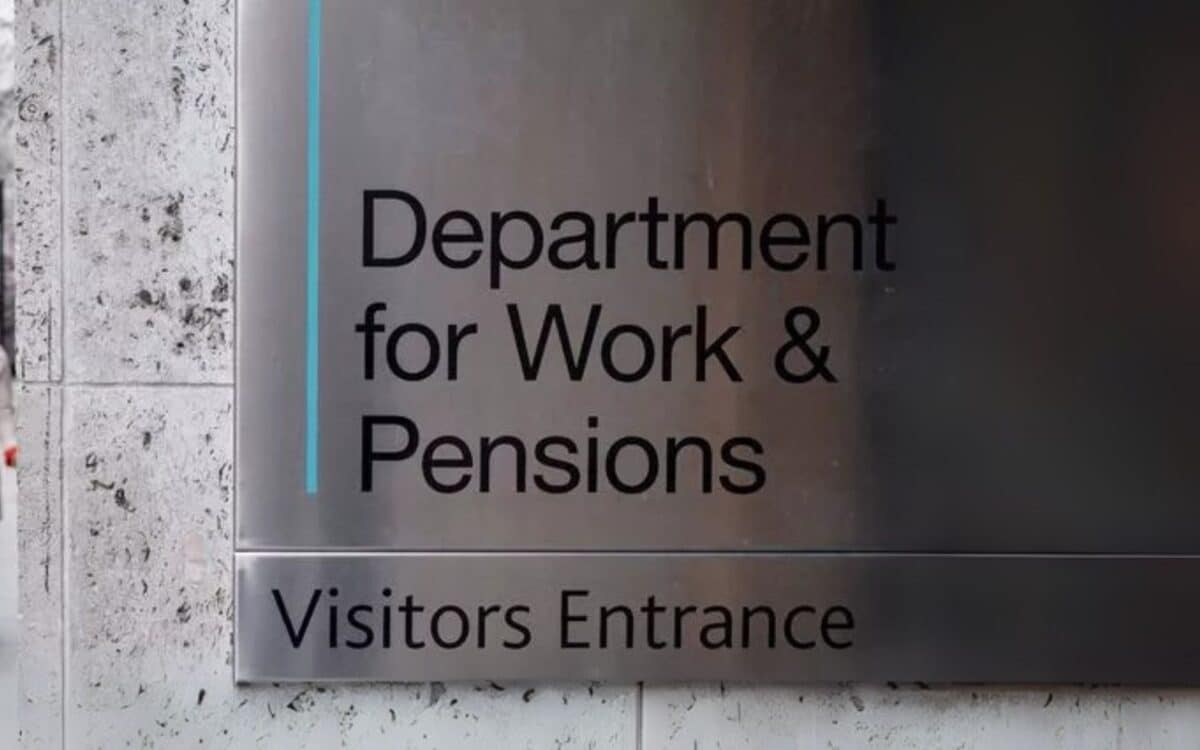
Receiving Attendance Allowance (AA) from the Department for Work and Pensions (DWP) is an essential financial support for many pensioners, but it’s important to be aware of the rules that govern the benefit. The DWP enforces strict guidelines that require recipients to report any changes in their personal circumstances or medical condition.
These changes, if not reported, could lead to the suspension of payments, and in some instances, legal action. According to Hull Daily Mail, failure to follow these rules can result in penalties, and it is crucial for recipients to stay informed to avoid any disruptions in their benefits.
Why Reporting Changes is Crucial for Your Attendance Allowance
The first rule to understand is the importance of reporting changes in your life and medical condition. If you receive Attendance Allowance, you must inform the DWP if there is a change in the level of assistance you require, whether it’s more or less. You should also notify them if there is any change in your health condition or treatment.
Additionally, if you move to a hospital or care home, or if a medical professional indicates that you have 12 months or less to live, these changes must be reported. Another important change to notify the DWP about is if you plan to leave the country for more than four weeks. Failure to report any of these circumstances could result in your payments being stopped. The DWP emphasises:
You could be taken to court or have to pay a penalty if you give wrong information or do not report a change in your circumstances.
What Happens If You Don’t Report a Change?
The consequences of failing to report changes are significant. If you stop receiving your benefit because of a failure to notify the DWP, you might be required to repay any wrongly received funds. Penalties could also be imposed, or you could face a court case if you are found to have deliberately withheld information.
The DWP’s rules are strict, and it is important to understand that you could be fined or even prosecuted for not keeping your records up to date.
Besides financial penalties, misreporting or failing to report changes could also affect other benefits you receive. Many pensioners rely on Attendance Allowance as part of their overall income, so ensuring that the DWP is kept updated on any significant life changes will prevent disruption in payments.
How Much is Attendance Allowance and Who Qualifies?
Attendance Allowance is available in two rates:
- Lower Rate: £73.90 a week (£3,842 a year) for those needing help or supervision during the day or night.
- Higher Rate: £110.40 a week (£5,740 a year) for individuals who require assistance both day and night, or have a prognosis of 12 months or less to live.
The conditions that qualify for Attendance Allowance cover a wide range of physical, mental, and neurological conditions. Some of the most common conditions include:
- Physical Conditions: Arthritis, spondylosis, back pain, heart disease, asthma, blindness, deafness, cystic fibrosis, and diseases affecting muscles, bones, or joints.
- Neurological Conditions: Parkinson’s, multiple sclerosis, epilepsy, motor neurone disease.
- Mental Health Conditions: Dementia, psychosis, personality disorders, alcohol or drug abuse, and behavioral disorders.
- Other Conditions: Diabetes, chronic pain syndromes, traumatic paraplegia/tetraplegia, haemophilia, and other serious conditions like AIDS.
Additionally, if you leave the country for more than four weeks, you must report this to the DWP. Changes in your immigration status (for example, if you are not a British citizen) must also be communicated to ensure continued eligibility for the benefit.