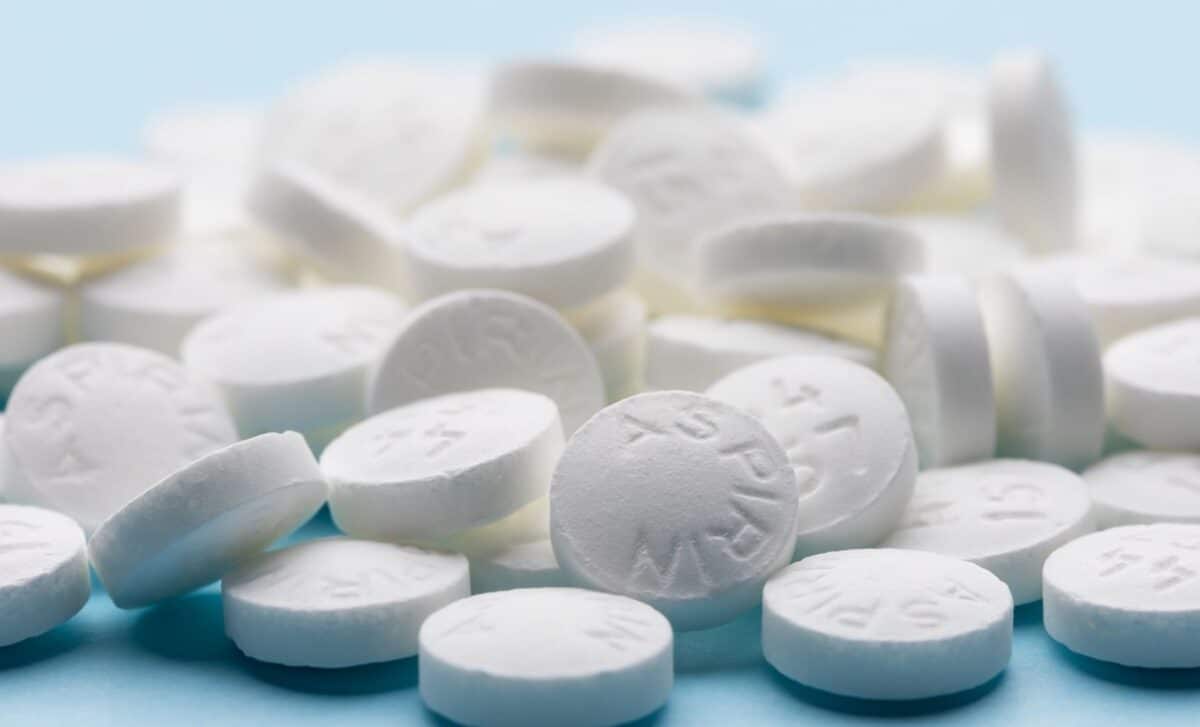
The Department of Health and Social Care has added all forms of aspirin to its list of medicines that cannot be exported or hoarded. The move, effective since 17 January, comes amid severe supply issues affecting patients across the country. Pharmacies report difficulty sourcing the drug, with low-dose 75mg tablets – essential for cardiovascular care – being the hardest hit.
Community pharmacists are now being forced to ration existing stock, prioritising only the most vulnerable patients. According to the National Pharmacy Association (NPA), over 85 percent of surveyed pharmacies reported being unable to supply aspirin to patients within a week of the shortage announcement.
Manufacturing Delays and NHS Pricing under Scrutiny
The root causes of the aspirin shortage appear to stem from a combination of global manufacturing delays and systemic pricing issues within the NHS framework. According to Jane Kirby reporting for The Independent, production slowdowns have led to lower stock levels, while market conditions have pushed UK supply down the list of manufacturer priorities.
Dr Leyla Hannbeck, chief executive of the Independent Pharmacies Association, explained that prices paid by the NHS for many medicines are now so low that manufacturers often divert supply to countries offering higher returns. “When limited stock becomes available then the prices shoot up to levels that become unaffordable for pharmacies to order,” she said.
As a result, some pharmacies are now operating at a loss. A packet of 75mg dispersible aspirin tablets, which cost 18p earlier last year, now costs £3.90 to order. Yet the NHS reimbursement for that same packet remains at £2.18, meaning pharmacies lose £1.72 per unit dispensed.
Olivier Picard, chair of the NPA, highlighted the urgency of revisiting the pharmacy contract: “For those pharmacies that can get hold of supply, costs will far exceed what they will be reimbursed by the NHS, yet more signs of a fundamentally broken pharmacy contract.” In several cases, pharmacies have been forced to stop offering aspirin for over-the-counter sales entirely.
Strain on Pharmacies and Patient Safety
The implications of the shortage extend beyond economics. Pharmacists and healthcare leaders are increasingly concerned about the strain placed on daily operations, and the direct risks to patient care. According to James Davies of Community Pharmacy England, one in four pharmacy teams now spend over two hours each day sourcing medicine alternatives, detracting from time available for other patient services.
The inability to provide aspirin is especially troubling for individuals managing cardiovascular conditions, including those recovering from strokes, heart attacks, or living with peripheral arterial disease. Fiona Loud, policy director at Kidney Care UK, said the shortage also impacts people with chronic kidney disease who rely on low-dose aspirin to prevent cardiovascular complications.
The NPA is now calling for changes in regulation to allow pharmacists to dispense safe alternatives when specific medications are unavailable. “It is madness to send someone back to their GP to get a prescription changed when a safe alternative is in stock,” said Picard. Current rules prevent substitution unless specified by a prescriber, often resulting in delayed treatment or patients abandoning it altogether.
Despite the government’s ban on aspirin exports, concerns remain about the fragility of the UK’s medicine supply chain. As Davies noted, medicine shortages have become a “significant concern” for both patients and pharmacy teams. The government has pledged £520 million to boost domestic medicine production, but experts argue that until systemic reforms are implemented, supply instability will remain a persistent challenge.