
Asda has announced sweeping price reductions on 956 products in a direct attempt to reclaim lost market share in the lead-up to the holidays. The move follows a period of heightened competition across the UK grocery sector and reflects a broader effort to reset pricing strategies ahead of the peak retail season.
According to GB News, the initiative includes both branded and own-label items across multiple categories, from fresh food to household staples. Average reductions stand at six percent, with some items cut by over 30 percent. Analysts have noted early market reactions and are monitoring the potential for intensified pricing pressure.
Asda Targets Essentials, Dietary Products, and Ready Meals With Deep Discounts
The pricing initiative is wide-ranging. Key items have seen notable reductions: Yorkshire Tea’s 240-pack has dropped from £6.32 to £5, chicken tikka masala ready meals are now £1.57 instead of £2.40, and own-brand gravy granules have fallen from £1 to just 69p. These figures highlight the tangible savings now available to price-conscious consumers.
The “Free From” range, often viewed as prohibitively expensive, has not been left out. Asda has cut prices on 49 items in this selection by as much as 15 percent, addressing the “premium tax” often associated with dietary-specific foods. These new prices are available in-store and online, ensuring accessibility across the board.
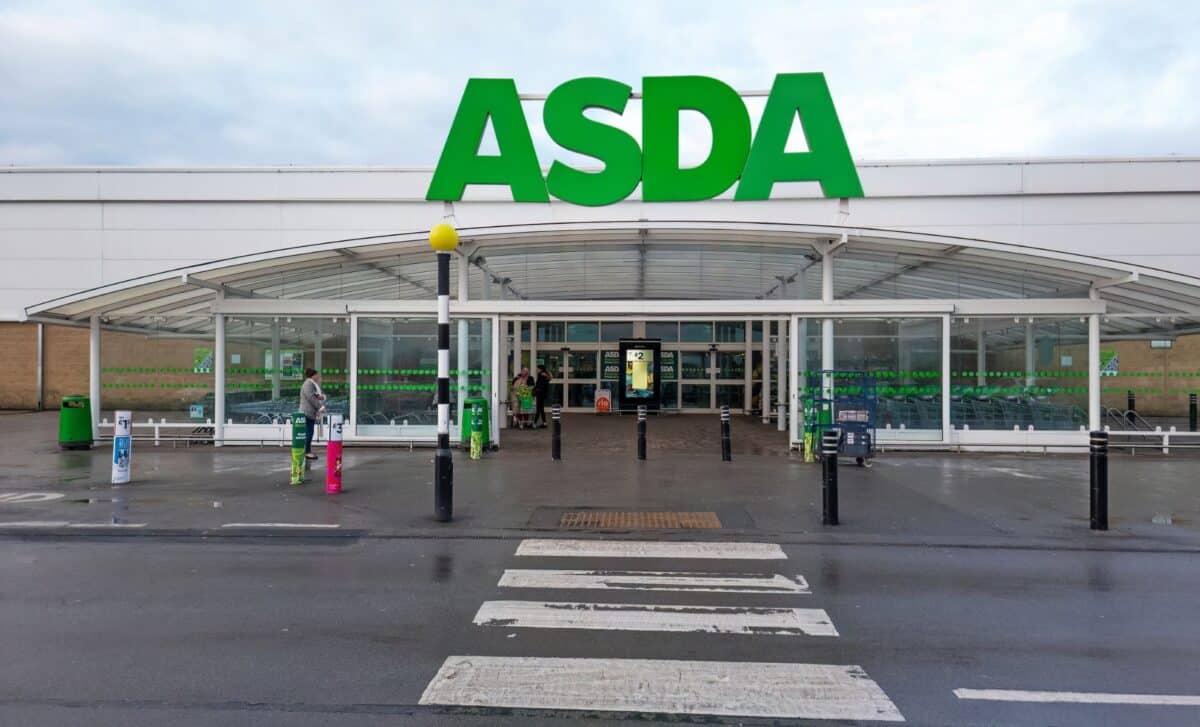
In addition to the nearly 1,000 newly reduced items, these cuts join more than 3,400 existing offers under Asda’s ongoing “Rollback” programme. According to Rachel Eyre, Asda’s chief customer officer, the goal is to ease pressure on households.
“We understand the pressure families are under from rising living costs and we’re stepping up our support as we enter an expensive time of year for our customers,” she said.
“We’re cutting prices on the everyday products they rely on the most, helping them bring down their food bills and get even more value every time they shop with us. This is real support, where it counts.”
Falling Market Share, Rising Pressure, and a £6.8 Billion Takeover
Asda‘s decision follows a steady decline in its market position. Once the UK’s second-largest grocery chain, it has seen its market share fall from 12.7 percent to 11.8 percent over the past year. Analysts link this erosion, in part, to the £6.8 billion debt-financed acquisition by Mohsin and Zuber Issa and TDR Capital in 2020—a deal that introduced structural and strategic challenges for the business.
To reverse the slide, executive chairman Allan Leighton—who previously served as Asda’s chief executive between 1996 and 2000—returned last year with a renewed mandate. His plan includes undercutting competitors by 7 to 10 percent over 12 months. The current cuts represent a significant milestone in this broader 2025 price-reset strategy.
Retail analyst Jonathan De Mello acknowledged the boldness of the move:
“Asda is clearly not pulling any punches with this latest initiative. Asda under Allan Leighton appears to be adopting a ‘go hard or go home’ mentality, and that frankly is what the business needs to stand any chance of winning shoppers back.”
Sector Reacts as Asda Sparks Market Shifts and Price War Fears
The implications of Asda’s pricing strategy have already spilled into the financial markets. Shares in Tesco PLC dropped by 0.2 percent, while J Sainsbury plc declined by 0.6 percent shortly after the announcement.
Jonathan De Mello warned of the broader consequences:
“Predictably, Tesco and Sainsbury’s have taken a share price hit as a result of Asda’s announcement, given the potential for a protracted price war in the run up to the key Christmas period.”
Industry observers believe more cuts could be on the horizon, with other supermarkets forced to follow suit. As one expert described it, this is Asda’s “go big or go home” strategy, and it’s reshaping the battleground ahead of the festive peak.