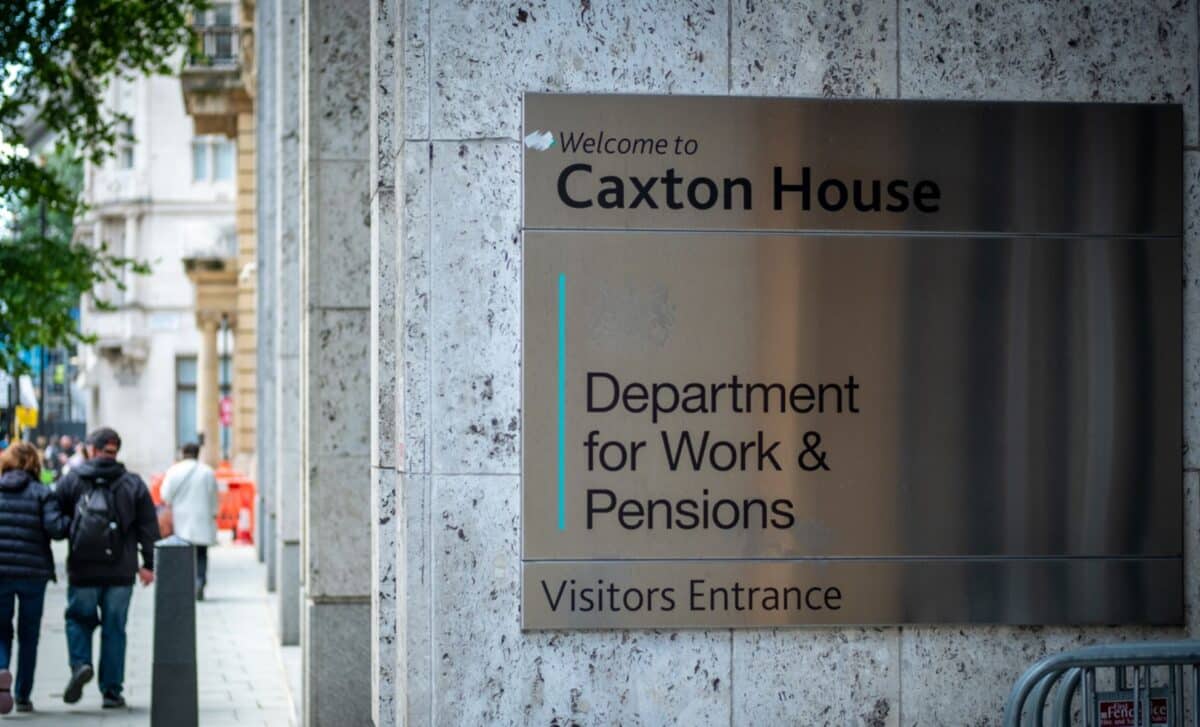
Ministers have responded to questions over alleged “award cuts” within the government’s Access to Work scheme, following reports of increased reconsiderations and reduced provision. The Department for Work and Pensions (DWP) says efforts to apply guidance more consistently may explain the changes.
The issue was raised during a recent session of the Work and Pensions Committee, where employment minister Diana Johnson was asked to account for both a reported rise in reconsiderations and anecdotal claims that some disabled claimants had seen their grants reduced. The discussion comes amid fresh data showing a decline in the number of approved provisions under the scheme.
Access to Work provides financial support to disabled people and those with health conditions to help them remain in or enter employment. Grants can be used for specialist equipment, travel costs or support workers, and do not require claimants to be receiving disability benefits in order to qualify.
Fewer Approvals and Questions over Reconsiderations
Recent figures show that in the 2024/2025 financial year, grants were paid to 74,190 customers, with an average annual payment of £4,000. The scheme allows for awards of up to £69,260 per year, depending on individual needs. Figures released by the Department for Work and Pensions show that approvals for any form of Access to Work support dropped from 63,450 in the 2023/2024 financial year to 56,000 in 2024/2025, a fall of 12% over the period.
A government policy document published in October 2025 stated that the scheme supports around 1 percent of disabled people who are in work. During the committee session, MPs questioned why there had been a recent increase in “reconsiderations” of awards.
Responding to the committee, Ms Johnson said there had been “an attempt to try and make sure that policy and guidance is applied in a more consistent way”. She added that when individuals apply to renew their grant and are told it will change or be reduced, “it may be because of that, because of the consistency of the guidance now being applied in that consistent way”.
She described these comments as her initial thoughts and said she would need to look into the matter further in order to properly inform the committee. According to evidence given to MPs, ministers expect to provide an update on any changes to the scheme “soon”.
Eligibility Criteria and Benefit Interactions
Access to Work is open to people with a disability or health condition who are in paid employment or about to start work. Government guidance makes clear that individuals do not need to be receiving disability benefits to apply. According to information published on the government website, people claiming Universal Credit may still qualify for support for any paid work they undertake.
Universal Credit is described as a single benefit paid to those in or out of employment. The guidance states that claimants with a disability or health condition can apply for Access to Work in relation to their job.
Those receiving Personal Independence Payment (PIP) may also wish to check their eligibility. As PIP is intended to help with the extra costs of living with a long-term health condition or disability, receiving it could help demonstrate that a person meets the criteria for Access to Work. The DWP also notes that certain benefits may affect eligibility. Claimants of Incapacity Benefit, legacy Employment Support Allowance, Severe Disablement Allowance, Income Support paid because of illness, or National Insurance credits may not qualify.