
Britain’s government is considering new restrictions on disability benefits, potentially affecting millions of claimants and reopening a political battle that derailed similar reforms last year.
Burnham Weighs Changes to Disability Benefit Eligibility
Prime Minister Andy Burnham is preparing to examine the eligibility rules and rising cost of Personal Independence Payment (PIP), according to The Telegraph, which reported the plans on November 22.
Around four million people receive PIP, a benefit intended to help cover additional living costs associated with disabilities and long-term health conditions. Eligible claimants can receive up to £194 per week.
The government faces mounting pressure over expenditure, with annual PIP spending projected to reach £45 billion by 2030, roughly double its previous level.
Burnham has pledged to avoid “crude” welfare cuts. Ministers are nevertheless considering changes to eligibility requirements, potentially including rules affecting existing recipients.
Such measures could trigger resistance from Labour MPs who blocked comparable proposals under former Prime Minister Sir Keir Starmer.

A Major Review Calls for a Different Assessment System
The proposed changes come as disability minister Sir Stephen Timms prepares to publish his final review of PIP on Tuesday, November 24.
The review is expected to recommend a substantial redesign of assessments, including more face-to-face interviews and support tailored to individual needs.
An interim report published in July described the existing system as “not fit for purpose.” Claimants have also reported finding assessments stressful, confrontational and unnecessarily complicated.
In an article for The Times, Mr Timms wrote:
“Disabled people must have the chance to participate fully in everyday life, including in work, and need a more personalised, flexible system that supports them to do so, rather than itself being a barrier.
“The final report, to be published this week for the Government to consider, looked at the system from first principles. It makes the case for a fundamental overhaul of the current assessment process, to better recognise people’s varying costs and needs.”
The recommendations may include specialized assistance and government-provided equipment alongside traditional financial support.
Yet the review was tasked with developing reforms within the existing budget, not identifying Treasury savings.
The Institute for Fiscal Studies has warned that making support easier to access could increase spending rather than reduce it.
Labour Faces the Prospect of Another Welfare Rebellion
The political risks are considerable.
Last year, Starmer attempted to save approximately £5 billion by tightening PIP’s points-based eligibility system, which assesses claimants’ ability to perform daily activities such as cooking and dressing.
More than 100 Labour backbenchers opposed the proposals, forcing the government to abandon them and weakening Starmer’s authority.
A senior Labour MP involved in that rebellion has warned that colleagues would challenge Burnham if his government appeared ready to repeat those changes.
Ministers must also consider recommendations from Alan Milburn, the former Labour health secretary, whose recent unemployment benefits review proposed additional employment support.
Those measures are unlikely to reduce overall welfare expenditure for approximately a decade because of their initial implementation costs.
Spending Pressures Leave Ministers Facing Difficult Decisions
The government must balance demands for welfare savings against its commitment to increase defense spending to 3.5% of GDP by 2035 under NATO requirements.
The Timms review will not recommend specific PIP eligibility thresholds. Ministers are expected to address those decisions in a government White Paper next year, alongside their response to Milburn’s proposals.
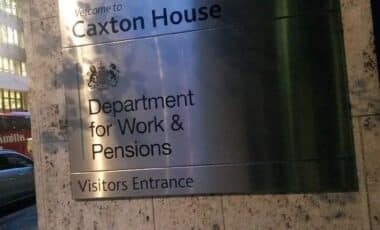
A spokesman for the Department for Work and Pensions said:
“The Timms review interim report made clear that Pip is no longer fit for purpose. When the final report is published, we will consider the recommendations alongside the Milburn review.”