Drivers across the UK are being urged to check their tyre tread as snow and icy conditions increase the risks associated with winter driving. Motorists caught using tyres below the legal tread limit could face fines of up to £2,500 per tyre and three penalty points on their driving licence.
The warning comes as new research highlights concerns about driving in severe weather, with many motorists admitting they travel despite believing conditions are unsafe. Police have emphasised that checking tyre condition takes only a few minutes, while a simple test using a 20p coin can help drivers identify potentially illegal tyres.
UK Tyre Laws Carry Fines of up to £2,500 per Tyre
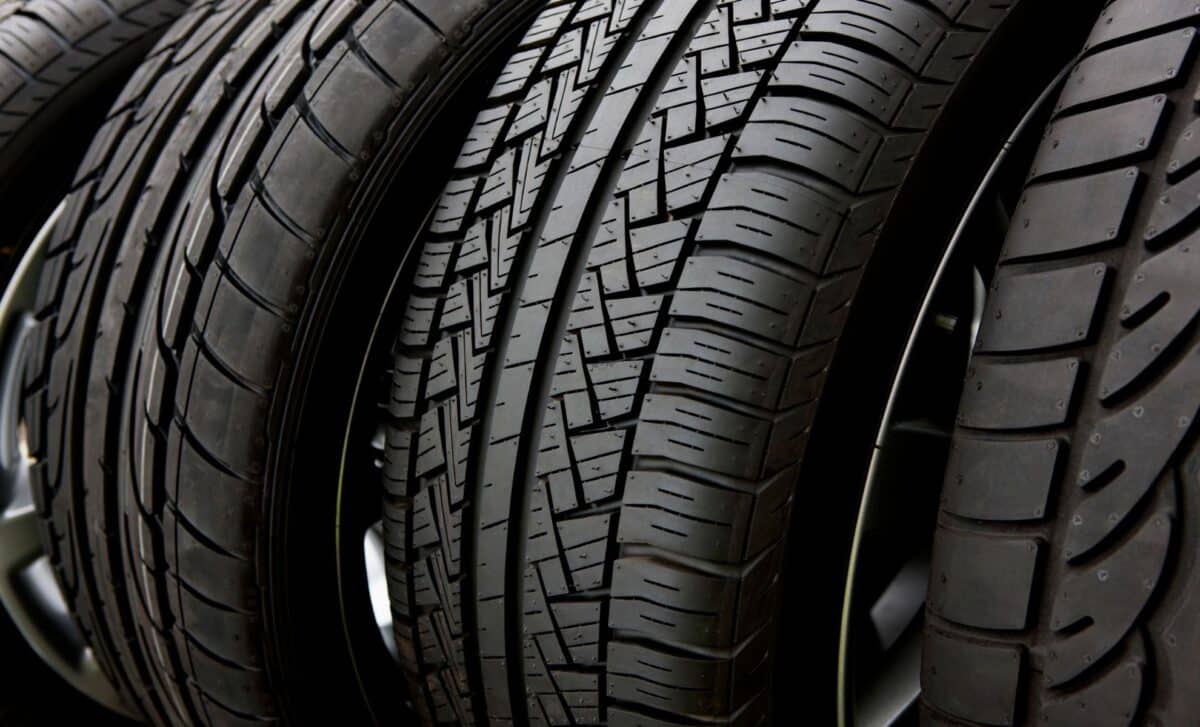
Under UK law, car tyres must have a minimum tread depth of 1.6mm across the central three-quarters of the tread. Drivers whose tyres fall below this requirement risk a fine of up to £2,500 for each defective tyre, alongside three penalty points.
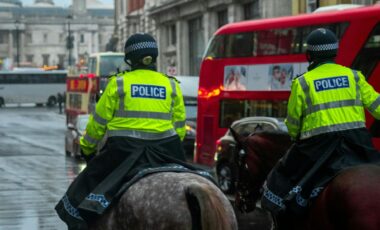
According to the Birmingham Mail, Chief Inspector James Walker of Nottinghamshire Police has warned that neglecting tyre condition can have serious consequences, particularly when motorists need to react quickly in an emergency.
“If drivers ignore the condition of their tyres, it will only take them a split second in an emergency to discover that they aren’t really in control – their tyres are,” he said.
Walker added that defective tyres can contribute to fatal collisions and serious injuries. He urged drivers to spend five minutes examining their tyres before travelling, stressing that such checks could save lives.
The warning is particularly relevant during winter, when snow and ice reduce grip, increase stopping distances and make steering less predictable, even at relatively low speeds.
According to the Daily Express.co.uk research commissioned by short-term car insurance provider Dayinsure found that 85% of drivers believed UK roads were unprepared for snow and ice.
The survey of 2,000 UK adults, conducted by Media Insights in January 2026, also found that 89% had driven in bad weather despite believing they probably should not have done so. Among respondents, 47% cited pressure from work, while 35% reported having no alternative transport. Another 18% said they had simply assumed conditions would be manageable.
The 20p Tyre Test and Precautions for Winter Journeys
Drivers can make an initial assessment of tyre tread using a standard 20p coin. The test involves removing stones or debris from the tread before inserting the coin into the main grooves of each tyre.
According to The Sun, if the coin’s outer band disappears into the groove, the tread is above the legal minimum. If the band remains visible, the tyre may be unsafe or illegal and should be inspected by a qualified professional.
Motorists are advised to repeat the check at three locations around each tyre, conducting inspections at least once a month or before longer journeys. Free tyre checks are also available through Halfords and Kwik Fit.
For winter journeys, drivers are advised to avoid sudden braking, accelerate gently and steer smoothly. Snow and ice should also be cleared from windows, windscreens and roofs before setting off.
Motorists should use fog lights only when visibility falls below approximately 100 metres and switch them off once conditions improve. Dayinsure’s director of insurance, John Cooper, urged drivers to plan journeys carefully and avoid unnecessary travel during severe weather, warning that collisions can lead to higher insurance premiums and lasting disruption.