

The future of the UK state pension has become a fresh political battleground, with ministers questioning how the Conservatives would fund their promise to protect pensioners’ annual increases. Treasury minister Torsten Bell has warned that keeping the existing triple lock unchanged could eventually require people to wait beyond the age of 70 before receiving their state pension.
Conservatives Face Questions Over Triple Lock Costs
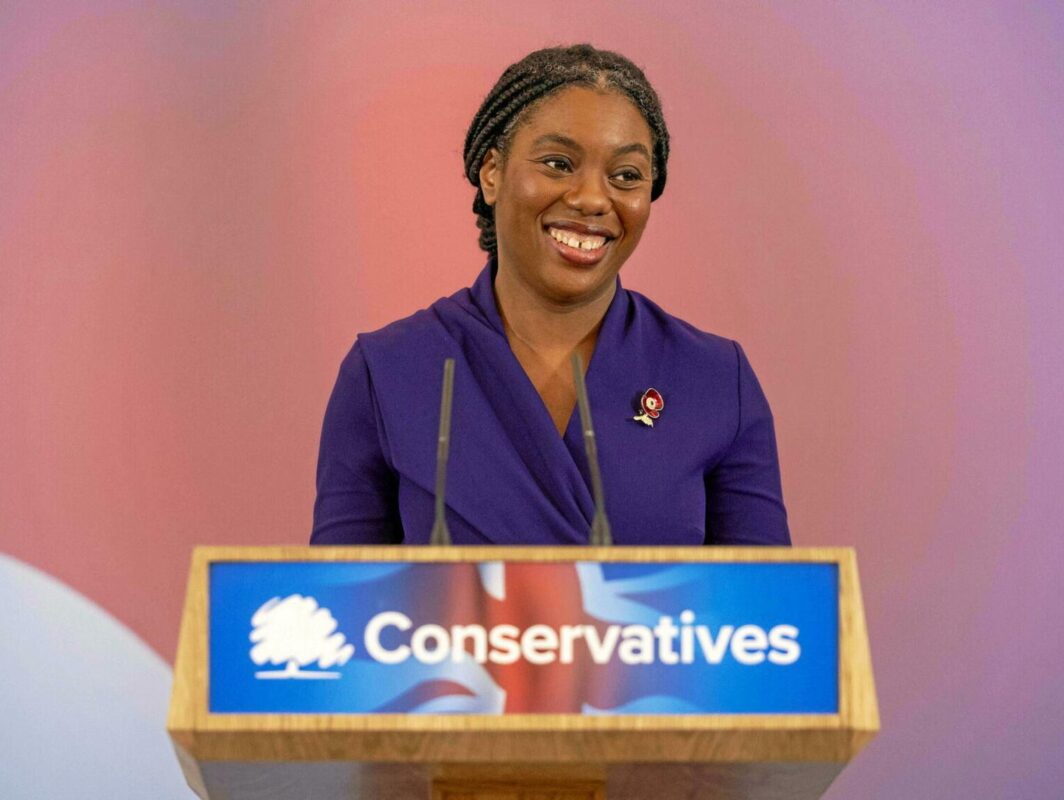
Conservative leader Kemi Badenoch has criticised Labour’s proposed changes to the triple lock and pledged to preserve the existing system. The triple lock currently increases the state pension each year by whichever is highest of three figures: inflation, average earnings growth or 2.5%.
Bell argues that keeping the arrangement unchanged would create growing pressure on public finances. Government estimates suggest the cost of the unreformed triple lock could reach £50 billion by 2050. The minister questioned how the Conservatives would cover that expense without making other changes to the pension system.
Why The State Pension Age Could Rise Above 70
Bell argued that previous Conservative governments had already used increases to the state pension age to reduce long-term pension spending. He pointed to changes introduced in 2011 and 2014, when planned increases were brought forward, leaving some people with as little as five years’ notice.
He said: “If you don’t want to have an adjustment to the triple lock, then you will need to do other things to make the state pension remotely sustainable“, reports The Guardian. Bell added that maintaining the current system could ultimately mean future pensioners waiting until their seventies to receive their state pension.
The current timetable already provides for the state pension age to rise to 68 between 2044 and 2046. Any further increase would require additional government decisions and legislation.
Labour Wants To Change How The Triple Lock Works
Labour has announced plans to reform the triple lock during the next parliament. Under the proposed system, the state pension would increase annually by whichever is higher between inflation and 2.5%.
The earnings element would only apply if the value of the state pension had fallen behind recent wage growth. The Government has said the reform would help control long-term spending while protecting pensioners’ incomes.
The initial savings are earmarked for Andy Burnham’s proposed national care service.
Pension Changes Remain Politically Sensitive
Reforming the triple lock has long been a politically sensitive issue because millions of pensioners rely on annual increases to support their living costs. Labour previously faced criticism after restricting winter fuel payments for most pensioners. The Government subsequently reversed that decision.
Bell argued that voters should receive a clear explanation of the financial consequences of keeping the existing triple lock. He also questioned Badenoch’s position, pointing to her previous suggestion that the triple lock could be means-tested.
Former Conservative chancellor Jeremy Hunt has also described the policy as an anchor on public finances.
What The Changes Could Mean For Future Pensioners
The debate raises questions about the balance between protecting retirement incomes and controlling public spending.
For people approaching retirement, the state pension age is particularly important because it determines when they can begin receiving their regular government pension.
The existing timetable sets the pension age at 67 from April 2028, with a further increase to 68 planned between 2044 and 2046. No increase beyond 68 has been confirmed as part of the proposals discussed by Bell.
The minister said the Government’s longer-term plans would also focus on improving retirement prospects for future generations, particularly private sector workers who may not have the same pension arrangements as previous generations.
For now, the triple lock remains at the centre of a political disagreement over how the state pension should be funded and protected in the decades ahead.