The figures come as the Government considers changes to the licence fee system, including extending payment requirements to people watching streaming services. Ministers are expected to outline their proposals before Christmas, ahead of the BBC’s current Royal Charter expiring at the end of 2027.
Official Forecasts Show Falling Licence Payments and Rising Costs
According to The Telegraph, forecasts from the Office for Budget Responsibility (OBR) indicate that the annual television licence fee will increase from £180 to £202.60 by 2031. Over the same period, the number of households paying the charge is expected to fall by 2.7 million, leaving approximately 19 million contributors.
That represents a substantial revision to the OBR’s previous estimates published in March, when it anticipated that 21 million households would still be paying the licence fee by 2031.
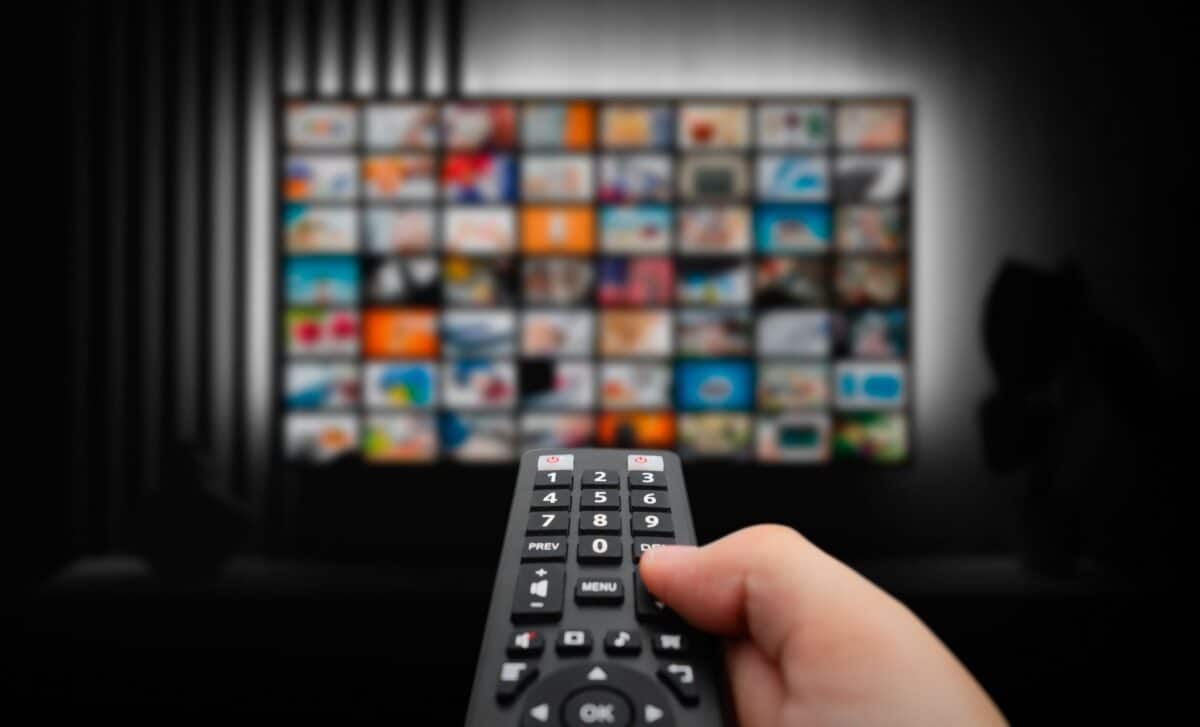
The BBC is currently losing around 500,000 licence fee payers annually. Broadcaster executives have warned that the decline has been steeper than previously anticipated, as audiences increasingly turn to alternatives such as Netflix, Disney+, YouTube and TikTok.
The corporation has also highlighted a difference between the number of households using its services and those contributing financially. While 94 per cent of households access BBC services each month, only 80 per cent pay the licence fee.
Successive freezes in the annual charge have added to the broadcaster’s financial pressures. Licence fee income has fallen by approximately 30 per cent in real terms over the past decade.
BBC director-general Matt Brittin is overseeing a £500 million savings programme covering the next two years. The restructuring could lead to approximately 2,000 job losses, alongside reductions in programming and the closure of channels including BBC Three.
The broadcaster maintains that its existing funding arrangements require reform to secure its longer-term financial position.
Government Examines Streaming Charges and Alternative Funding Models
According to The Independent, ministers are considering extending the licence fee to streaming platforms, potentially bringing between three and four million additional households into the payment system.
The proposal, informally described as a “YouTube tax“, could affect people watching services including Netflix, Amazon Prime Video, Disney+ and YouTube.
Under existing rules, households need a television licence to watch live television on any platform or access BBC iPlayer. Watching other streaming services’ on-demand programmes does not normally require payment.
Alternative approaches are also being discussed, including advertising, subscriptions and funding arrangements linked to household bills.
The i Paper reports that Brittin has discussed a German-style household levy, under which contributions would no longer depend on whether residents watch BBC programmes. He suggested that broader participation could allow the annual charge to fall by 20 per cent.
Culture Secretary Lisa Nandy has previously expressed concerns about introducing a new household tax because of cost-of-living pressures. Conservative and Reform politicians have opposed extending the licence fee to streaming services, favouring a subscription-based approach instead.
The Government has not announced a final decision. Its forthcoming white paper is expected to provide further details on how the BBC could be funded from 2028 onwards.