

The UK state pension age could rise beyond the planned increase to 68, after an independent review heard that a pension age of 70 is already used in some countries. Dr Suzy Morrissey, who is conducting the review for the government, said “anything is possible” when asked whether 70 could eventually become the new state pension age.
State pension age is already set to rise
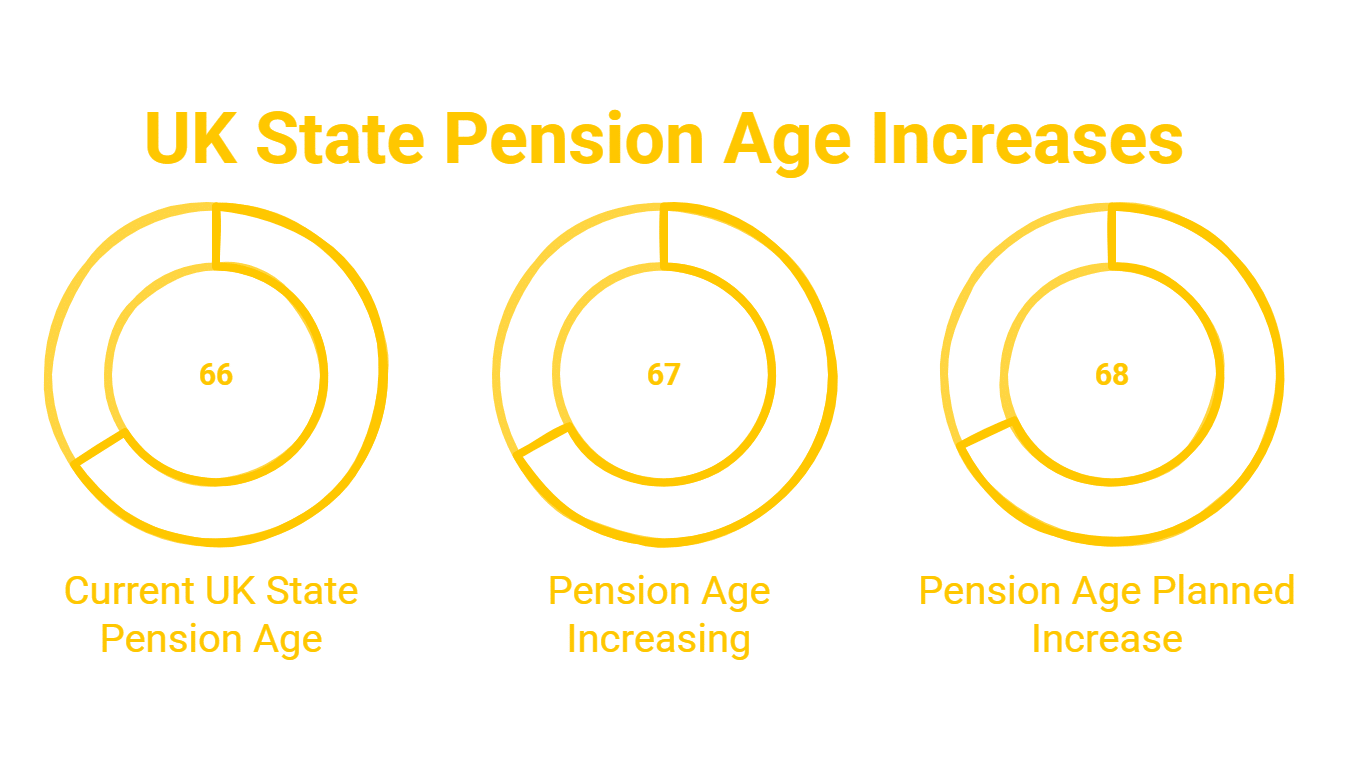
The current UK state pension age is 66. It is already increasing to 67, with the change being phased in. A further increase to 68 is currently planned between 2044 and 2046.
The independent review is considering the longer-term future of the state pension age and the factors that could shape future decisions. Asked on BBC Radio 4’s Moneybox whether 70 could eventually become the new 66, Morrissey pointed to international comparisons.
“Certainly we have got age increases happening, and so we know that we’re likely to get to 68 in due course,” she said. “Anything is possible in terms of any increasing. 70 is not unusual in other countries.”
Review raises questions about fairness
Morrissey also discussed concerns about how a higher pension age could affect people in different types of employment. People working in physically demanding jobs may find it harder to remain in work until an older age than those in less physically demanding occupations.
She acknowledged that this raises questions about fairness. The review has also considered whether different pension ages could apply depending on someone’s occupation, health or location.
Morrissey said creating separate rules would be extremely difficult because policymakers would need to decide which jobs qualify, how long someone would need to have worked in that occupation and what other conditions should apply.
Why the UK uses a single pension age
The UK currently has a single state pension age rather than different ages for different professions. Morrissey said there is a reason for this approach despite the difficulties it creates.
Creating separate thresholds based on occupation could raise questions about which jobs should qualify and how long someone would need to have worked in them. A system based on health or location would also require clear criteria that people could regard as fair.
Denmark is moving towards a pension age of 70
International comparisons are already part of the discussion. In Denmark, parliament voted in 2025 to raise the official retirement age to 70 by 2040. The country’s pension age is linked to life expectancy and has been reviewed every five years.
Denmark’s pension age is currently 67 and is scheduled to rise to 68 in 2030 and 69 in 2035 before reaching 70 in 2040 under the current law.
Denmark is also reconsidering automatic increases
Danish Prime Minister Mette Frederiksen has questioned whether the country’s system should continue to increase the pension age automatically. She said that “you can’t just keep saying that people have to work a year longer”.
Her comments highlight the political debate surrounding the link between increasing life expectancy and the age at which people become entitled to a state pension.
No decision has been made to raise the UK age to 70
The discussion about 70 does not mean that the UK state pension age is being raised to 70. The current UK timetable still involves an increase to 67 followed by the planned rise to 68 between 2044 and 2046.
The independent review will consider evidence before recommendations are made. For future retirees, the key issue is whether the government eventually decides that longer life expectancy and changes in the working population justify further increases beyond the existing timetable.