According to Octopus Energy, small adjustments, including improving insulation, changing heating settings and checking energy consumption, can make a difference to household bills. The advice comes as the price cap increases by 4%, with the typical dual-fuel household bill reaching £1,723 per year under the new limit.
Octopus Outlines Heating Changes to Reduce Household Energy Use
The first recommendations from Octopus Energy focus on keeping heat inside homes and making heating systems work more efficiently. The company advises households to check loft insulation, seal gaps around windows and doors, and prevent warm air escaping through areas such as letter boxes or unused chimneys.
The energy provider also recommends checking boiler flow temperatures. According to Octopus Energy, many gas boilers are set higher than needed by default, and lowering the flow temperature to between 55C and 60C can keep homes warm while reducing energy consumption.
Another suggestion is to adjust thermostat settings. Octopus states that lowering a thermostat by 1C could save up to £145 a year. The company advises households to set heating to operate only when required and keep indoor temperatures between 18C and 21C.
The provider also highlights the role of smart thermostats and thermostatic radiator valves, which allow households to heat individual rooms rather than the entire property. Closing doors in smaller rooms and scheduling heating around occupied areas are among the measures suggested to avoid unnecessary energy use.
Smart Meters and Tariffs can Help Households Monitor Energy Use
Alongside heating adjustments, Octopus Energy recommends several smaller changes that can reduce daily energy consumption. These include washing clothes at lower temperatures, air-drying laundry instead of using a tumble dryer, batch-cooking meals and making use of remaining oven heat.
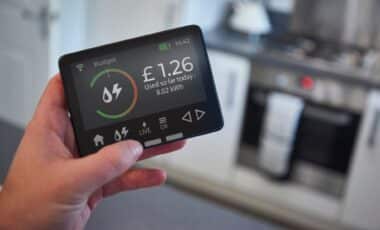
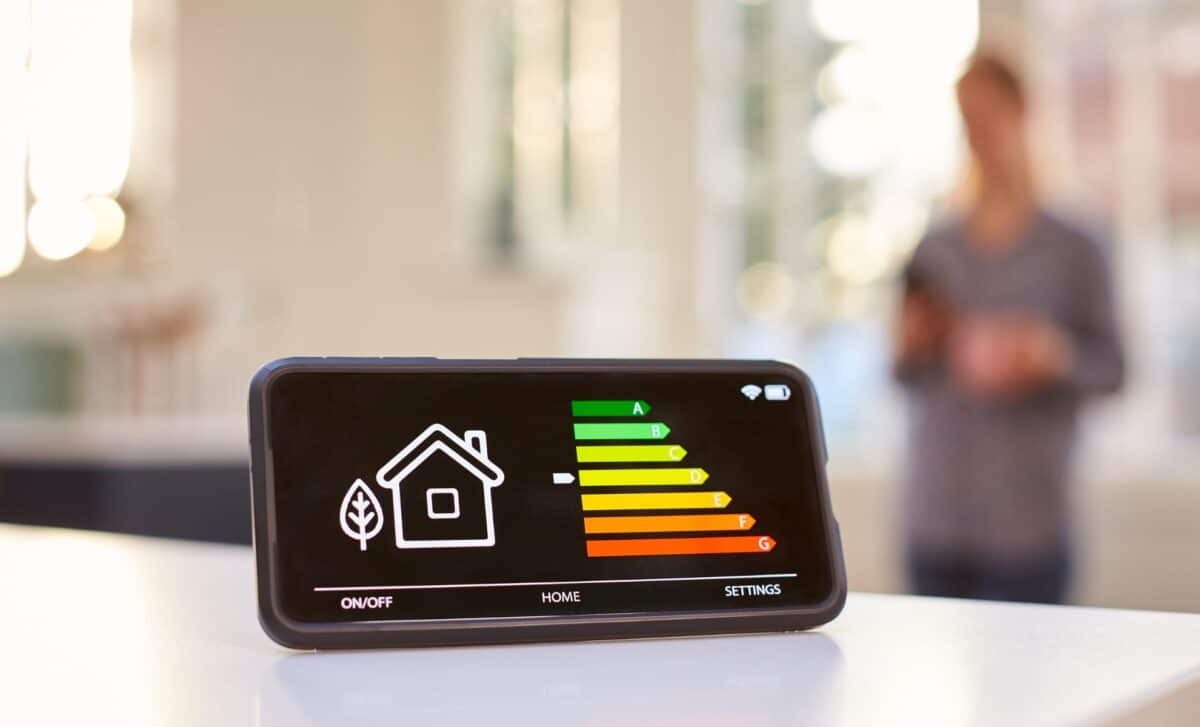
The company also encourages households with smart meters to check live energy data. According to Octopus Energy, monitoring real-time usage can help identify devices that continue drawing power while on standby, sometimes referred to as “vampire” devices.
The final recommendation concerns energy tariffs. Octopus says some households may benefit from time-of-use tariffs, where electricity prices vary depending on the time of day. These tariffs are designed to encourage customers to move some energy use to off-peak periods.
The company notes that this approach may be relevant for households with technologies such as electric vehicles, heat pumps or home batteries. The advice forms part of Octopus’s guidance ahead of the October price cap change, as households look for ways to control energy spending.
The Ofgem price cap applies to around 22 million households on standard variable and other default tariffs. It limits the amount suppliers can charge for energy unit rates and standing charges, with changes made every three months based on the underlying costs of supplying energy.