The UK government is examining major changes to the way the BBC is funded, with a proposed £11 monthly internet levy potentially replacing the current television licence fee paid by households across the country.
The proposal would remove the existing TV licence system and introduce a charge collected through broadband providers, meaning households with an internet connection would contribute to the public broadcaster’s funding even if they do not watch live television.
Ministers Explore New Model For BBC Funding
The proposed Home Internet Levy comes as ministers review the long-term future of the BBC’s financial structure. The idea was developed through research by the Social Market Foundation, a think tank that has examined alternatives to the current licence fee model.
According to GB News, the proposal has been shared and discussed among advisers to Culture Secretary Lisa Nandy as part of wider discussions around the BBC’s future funding arrangements.
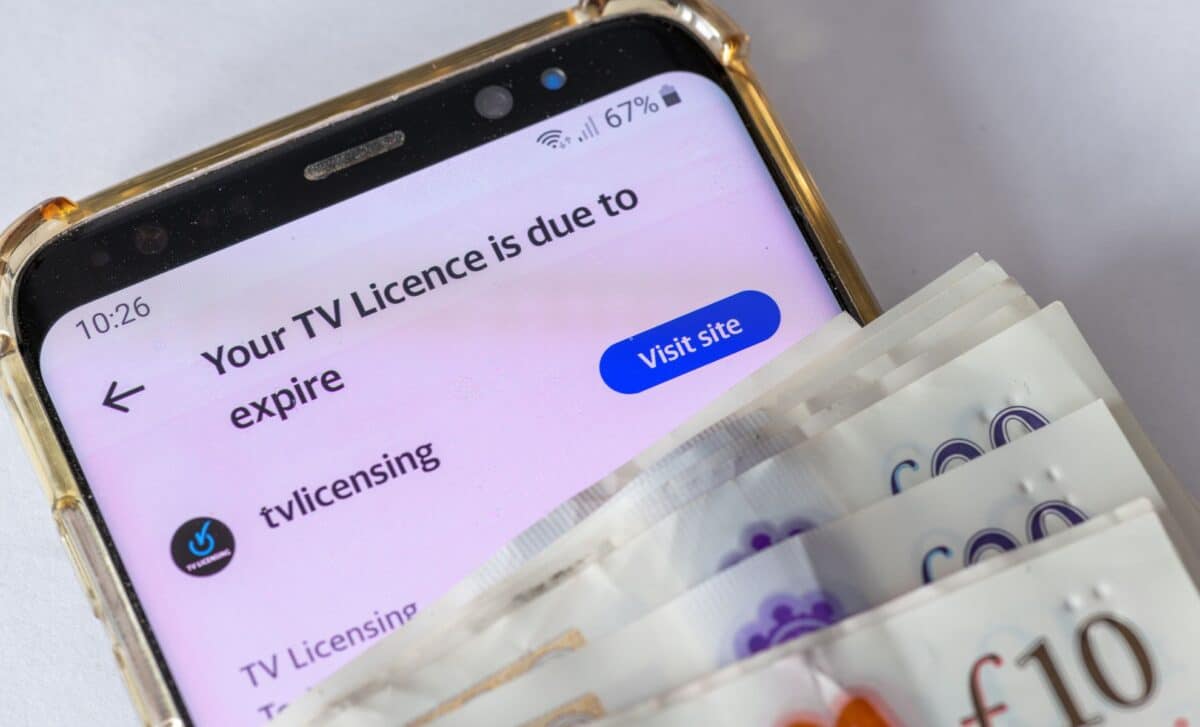
The current licence fee costs households £180 per year. Under the proposed system, the charge would fall to around £132 annually for people who already pay the full licence fee, based on the suggested £11 monthly payment.
The change would also bring more households into the funding system. People who currently avoid paying the licence fee, including some households that only use streaming platforms, would be required to contribute through their broadband bill.

Credit: Shutterstock
Funding Pressure Drives Search For Alternatives
The review comes as the BBC faces concerns about the sustainability of its current funding structure. The Social Market Foundation report points to declining licence fee compliance, with non-payment rising from below seven per cent in 2019 to more than 12 per cent in the past year.
The BBC currently receives around £3.8 billion each year through the licence fee, which supports major productions and services including EastEnders, Strictly Come Dancing, Match Of The Day and the Proms.
BBC executives have warned that ongoing financial pressure could lead to reductions in programming and staff numbers if the organisation’s funding position is not addressed.
A separate proposal examined in the report would keep the existing licence fee while adding a smaller £2.30 monthly News and Culture Levy. That option would aim to provide additional revenue as the broadcaster faces a projected funding gap of more than £800 million per year within a decade if current payment patterns continue.
Debate Over Fairness And Household Impact
A universal internet-based charge would change the relationship between households and BBC funding. The proposed system would apply to homes with internet access rather than focusing only on people who watch live television.
The report also identifies concerns about the impact of a universal levy on lower-income households. It suggests that a possible social tariff discount could be introduced to reduce pressure on vulnerable families.
The government has not confirmed that the Home Internet Levy will be introduced, and the proposal remains one option among several being considered during the BBC Charter Review process.
Government Reviews BBC Charter Options
The Department for Culture, Media and Sport has said the BBC’s future funding system needs to be examined as part of wider reforms.
A DCMS spokesperson said: “The BBC must be funded by a model that is sustainable and fair to all those that are paying it.”
“Through Charter Review, we are looking at a range of options, including how the BBC can operate more efficiently, generate more commercial revenue, and how the licence fee could be reformed.”
The review reflects broader questions about how public broadcasters should be funded as viewing habits shift from traditional television towards online platforms and streaming services.
The BBC currently generates £3.8 billion annually through the licence fee.