The warning follows an exceptionally difficult summer for British agriculture. According to the National Farmers’ Union (NFU), farmers are dealing with the effects of drought alongside higher fertiliser and fuel costs linked to the war in Iran, while livestock businesses have also been hit by a serious bluetongue outbreak.
Taken together, those pressures have raised concerns about the amount of food that farms will be able to produce next year. The immediate issue is not simply this year’s reduced harvest, but whether farmers have enough cash available to sow crops and replace livestock for the next production cycle.
NFU president Tom Bradshaw said farming organisations had come together to identify the action and investment required to keep businesses operating, protect next year’s production and safeguard longer-term food security.
Drought and Disease Leave Farmers Facing a Cash-Flow Squeeze
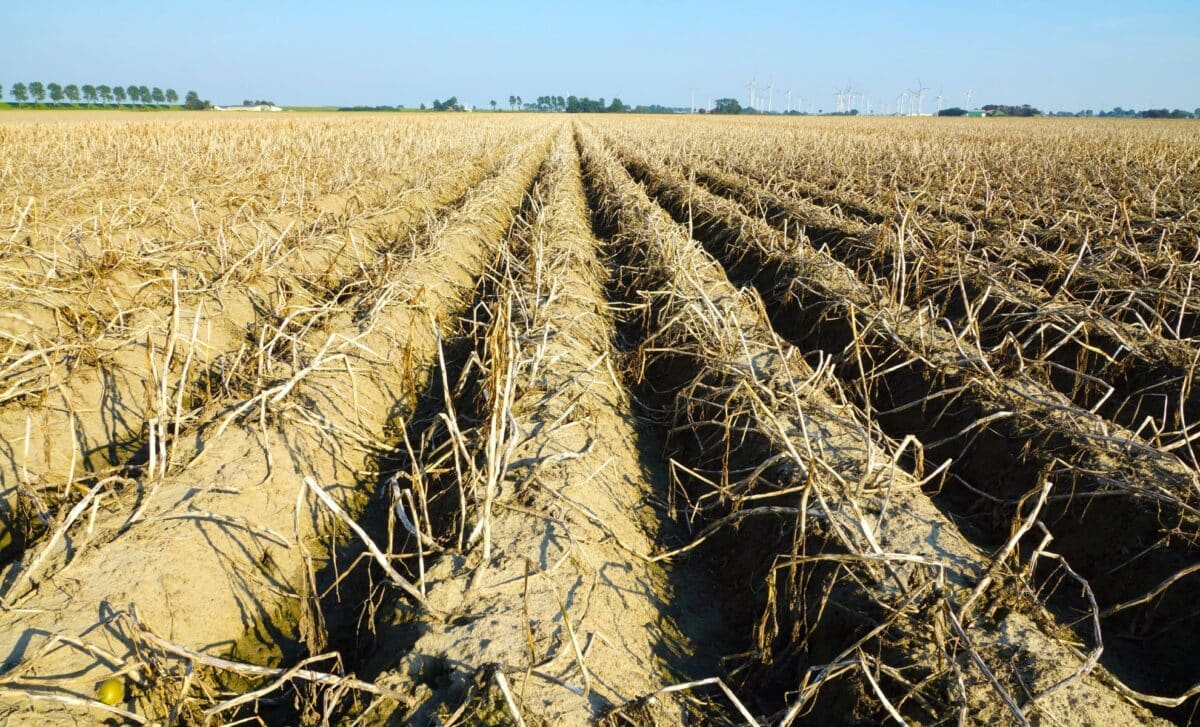
This summer’s hot, dry weather has damaged harvests across Britain, with large areas of England declared to be in drought. According to The Telegraph, the 2026 harvest has been the worst since records began in 1984, with barley, oats and oilseed rape yields projected to total 19.5 million tonnes.
Potatoes and carrots are also expected to be smaller than usual because of heat and drought. Rain eventually arrived in some areas, but Bradshaw said it had come too late to reverse lost harvests and reduced yields.
“Farmers face an immediate crisis in cash flow and confidence,” he said. “Many are worried they will not have money in the bank to plant next year’s crops or replace livestock.”
The pressure extends beyond arable farming. More than 500 cases of bluetongue have been recorded, mostly in the West Country. The disease can cause fertility problems and deaths among sheep, and high temperatures have contributed to larger numbers of the midges that spread the virus.
Helen Wakeham, the Environment Agency’s director of water and chair of the National Drought Group, said hot and dry conditions meant water was being used faster than nature could replenish it. She described a second consecutive summer drought as “an exceptionally serious situation” with long-lasting effects on the environment, wildlife and economy.
Iran War Pushes up Fertiliser and Fuel Costs
Farmers are simultaneously facing higher production costs linked to the war in Iran. Nitrogen fertiliser, widely used to support yields of cereals and oilseeds, is among the inputs affected by disruption and uncertainty surrounding supplies.
According to the NFU, Britain’s national nitrogen fertiliser bill could rise by £303 million a year, while the red diesel bill could increase by £200 million. The Telegraph reported that fertiliser currently costs £460 per tonne and is imported through the Strait of Hormuz, with the conflict putting pressure on supply and prices.
The combination is particularly difficult because farmers are receiving low prices for grain from a poor harvest while preparing for autumn planting of wheat and barley, crops normally harvested the following summer.
The NFU and more than a dozen other agricultural organisations have asked the Government to provide interest-free loans linked to drought losses, giving affected farms capital to finance next year’s production. They have also requested financial assistance with the collection and disposal of dead sheep.
Bradshaw said farmers in England no longer had the “breathing space” previously provided by direct payments and were increasingly exposed to geopolitical shocks, repeated extreme weather, animal disease and wars.
The warning now centres on whether farms can finance another production cycle. For agricultural organisations, the immediate concern is clear: this year’s losses are creating a cash-flow problem that could directly affect what British farms are able to produce in 2027.