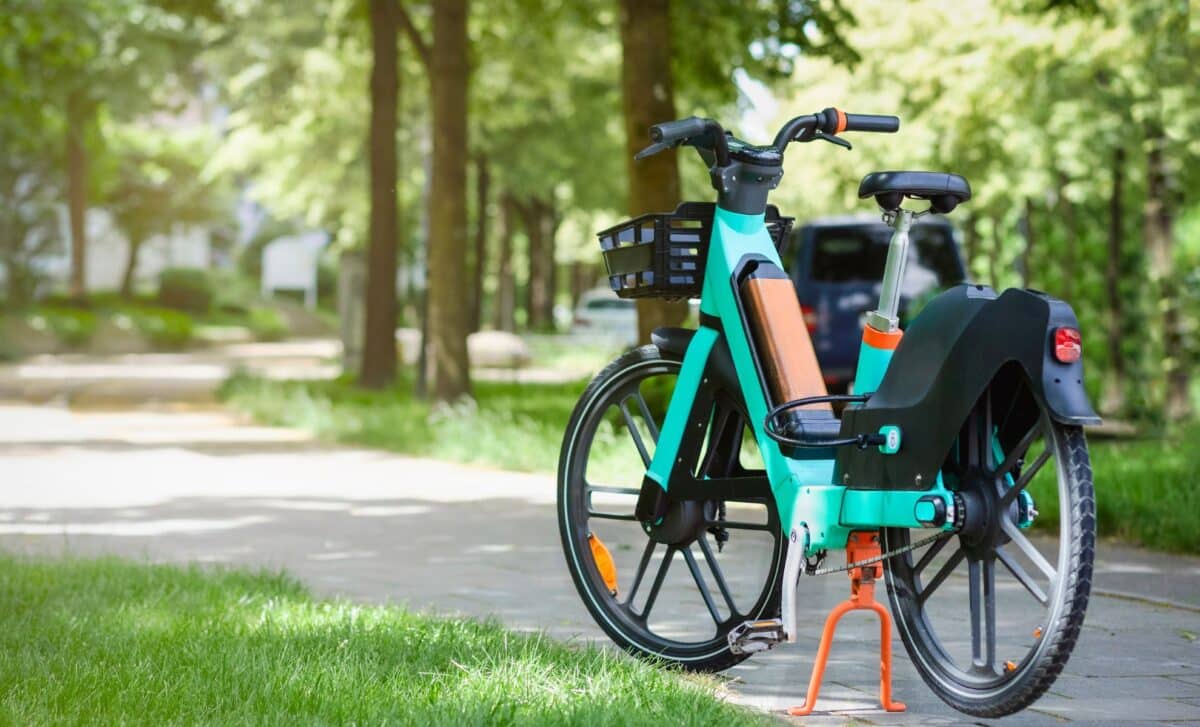
The figures have renewed attention on the distinction between legal electrically assisted pedal cycles and modified or higher-powered machines. According to GB News, police forces, road-safety organisations and politicians are calling for further action, while strengthened seizure powers that came into force on 29 June already allow officers to confiscate vehicles used anti-socially without first issuing a warning.
What Separates a Legal E-Bike From an Illegal Machine
Under current rules, an electric bike must meet specific conditions to qualify as an electrically assisted pedal cycle, or EAPC. It must have pedals capable of propelling the bicycle, its motor must have a maximum continuous rated power of 250 watts, and electrical assistance must cut out when the bike reaches 15.5mph.
A machine exceeding those limits can instead be treated as a moped or motorcycle. That means it may need to be registered, insured and ridden by someone holding the appropriate driving licence.
According to GB News, Labour MP Julie Minns, who represents Carlisle, has called for the sale of illegal e-bikes and conversion kits to be banned. She has also argued that machines which do not comply with the legal definition should be classified as an “unsafe product”, preventing their sale through online retailers.
Minns said legal e-bikes were a “brilliant” means of encouraging active travel, while distinguishing them from modified machines. She told PA: “The illegal ones, however, are a problem and we need to do something about them. And the way to do it is to say, if it’s not legal, it’s an unsafe product.”
Police figures also show significant differences between forces. The Metropolitan Police recorded the largest number of seizures, with 2,367 electric bikes confiscated. Leicestershire Police seized 661, Police Scotland recorded 585 and Thames Valley Police confiscated 425.
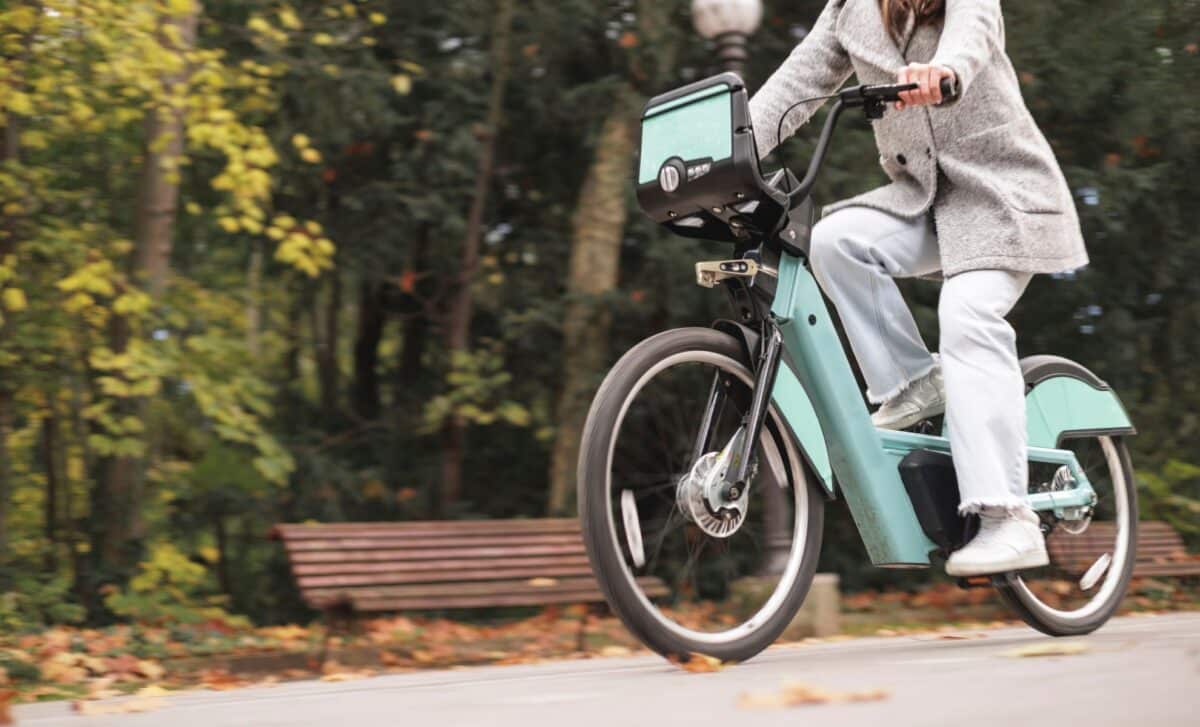
Safety Concerns Add Pressure for Further Action
The rise in seizures has also prompted concern from organisations representing pedestrians and disabled people. According to the Birmingham Mail, pedestrian safety charity Living Streets has warned that increasing e-bike use “must not come at the expense of people walking”.
The Royal National Institute of Blind People (RNIB) has described e-bikes as “heavy, fast-moving, silent vehicles” that can create a danger when ridden carelessly. Erik Matthies, the organisation’s policy lead, said irresponsible riding could have a serious impact on people with sight loss and wheelchair users.
Richard Dilks, chief executive of CoMoUK, has also called for new legislation covering low-powered, small zero-emission vehicles. He said updated laws could make enforcement easier “from the point of retail onwards”. The Government has pointed to the powers already introduced. A spokeswoman said illegal e-bikes capable of reaching dangerous speeds had “no place on our roads and pavements”, adding that the increase in seizures showed the scale of the problem facing police.
Those powers, introduced on 29 June, removed the requirement for officers to issue a warning before seizing vehicles being used anti-socially. The change came before Andy Burnham replaced Sir Keir Starmer, with the current Government now overseeing its implementation.