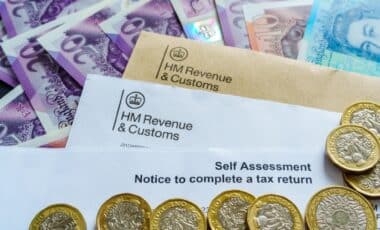
The plan is intended to spread tax payments more evenly through the year, replacing the current system of twice-yearly payments for some taxpayers with PAYE-style deductions. The difficulty identified by tax specialists is the transition period, when payments relating to the existing system could coincide with deductions under the new one.
According to reports, HMRC’s consultation states that 30 per cent of the 12 million taxpayers within Income Tax Self Assessment make payments on account. That includes self-employed workers as well as people receiving income from property, investments or other sources that require a self-assessment return.
The consultation closed earlier this week, and the Government has not yet published its formal response. HMRC has said that taxpayers would not ultimately pay more tax under the proposals, while acknowledging that arrangements for the transition still need to be worked out.
How the Two Payment Systems Could Overlap
Under the current rules, payments on account are advance payments towards a taxpayer’s next bill. They are generally based on 50 per cent of the previous year’s tax liability and are paid on 31 January and 31 July, with any balancing payment or repayment handled the following January.
For the 2028-29 tax year, affected taxpayers would still make their first payment on account on 31 January 2029 and their second on 31 July 2029. The proposed monthly system would begin in April 2029, meaning deductions under the new arrangements could start while payments under the existing system were still being collected.
According to the Association of Taxation Technicians, a self-employed worker earning £50,000 could pay £4,866 in January 2029 and another £4,866 in July. At the same time, monthly payments of £811 could run from April 2029 to March 2030.
Across that 14-month period, the combined payments would amount to £19,464. The association warned that the timing could create significant cash-flow pressure even though the overall tax liability would not necessarily increase. The proposals would also allow HMRC to collect tax arising from self-employment and other self-assessment income through adjustments to an employee’s PAYE coding notice. For people without PAYE income, more frequent direct monthly or quarterly payments may apply.

Tax Specialists Raise Concerns over Transition and Administration
Tax specialists have questioned how the transition would operate in practice. Dan Neidle, founder of Tax Policy Associates, said the proposed approach would be “a mistake” and expressed hope that the Government would reconsider it.
Charlene Young of AJ Bell said the system was being presented as a way of preventing large tax bills arriving twice a year, but warned that it could generate more administration, enquiries and calls to HMRC. She also raised the possibility of errors where tax is collected on the basis of estimated income.
According to The Telegraph, tax commentator Mike Warburton described the changes as “an accident waiting to happen”, arguing that they could add to confusion for people already dealing with self-assessment requirements and Making Tax Digital.
Neidle has suggested suspending the final payment under the existing system and allowing taxpayers to repay the amount interest-free over several years. He said this could still provide a cash-flow benefit to the Exchequer while reducing pressure on taxpayers during the changeover. HMRC said spreading payments throughout the year would help customers avoid unexpected lump-sum bills. A spokesman added that the department had sought views on how to smooth the transition and would publish further details in due course.