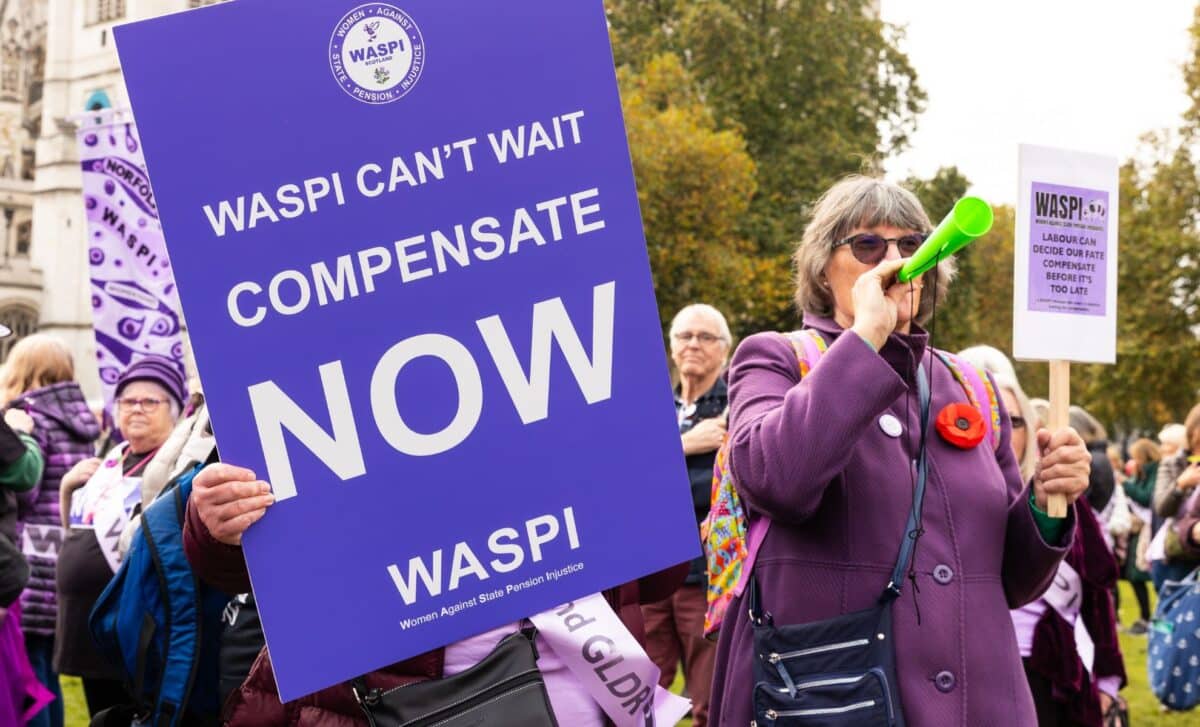
The Women Against State Pension Inequality campaign, known as WASPI, says Mr Burnham promised to discuss redress with its representatives before his election. The group is now calling for a confirmed meeting date and action on compensation, after previous administrations declined to establish a payment scheme.
Campaigners Press for Action After Earlier Refusals
The dispute concerns the way increases to the state pension age were communicated to women born in the 1950s. According to the report provided, a government decision not to offer financial redress was reviewed following the rediscovery of a 2007 Department for Work and Pensions evaluation.
That evaluation led officials to stop sending automatic pension forecast letters. In 2024, the Parliamentary and Health Service Ombudsman found that women affected by the communication of the pension changes had been mistreated.
The Ombudsman suggested that compensation ranging from £1,000 to £2,950 could be appropriate for each person affected. Despite that recommendation, the government under Sir Keir Starmer declined to introduce a compensation scheme and maintained its position after reviewing the case again last year.
WASPI has now directed its appeal to Mr Burnham. In a statement quoted in the report, the campaign said: “When WASPI met Andy Burnham before his election he promised to meet with us to discuss proper redress for the DWP maladministration and the harm it caused. No more delay. We want a date and a fair settlement.”
The group also argued that promises alone were insufficient. “Words don’t change anything. Action does,” its statement said, adding that Mr Burnham was now in a position to respond to the women’s concerns.

Government Questions the Fairness of a Flat-Rate Scheme
The government’s refusal has rested partly on its assessment that most women already knew the state pension age was rising. According to Work and Pensions Secretary Pat McFadden, the evidence indicated that the “vast majority” of women born in the 1950s had received information about the changes through several public channels.
Mr McFadden said those channels included leaflets, education campaigns, GP surgeries, television, radio, cinema and online information. He argued that a broad flat-rate compensation scheme would not be fair because it would make payments without establishing the circumstances of each claimant.
He also said that compensating only those who had suffered an individual injustice would create a separate difficulty. According to his statement, such an approach would require a system capable of reliably checking the personal circumstances of millions of women.
Campaigners reject the continued refusal and maintain that the Ombudsman’s findings justify financial redress. Their latest intervention does not set out a new compensation figure beyond the previously suggested range, but repeats the demand for a settlement and a direct meeting with the Prime Minister.
The immediate focus is therefore on whether Mr Burnham will provide a date for discussions. WASPI says the matter should no longer be delayed, while the government’s earlier position remains that a universal payment scheme would be difficult to justify or administer fairly.