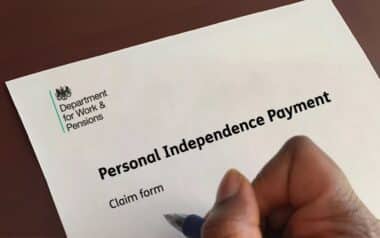
PIP is currently available without considering a claimant’s income or savings. The benefit is designed to help cover extra living costs linked to physical or mental health conditions, with payments depending on how a person’s condition affects their daily life and mobility. A recent update from the Government has stated that the current system is “no longer fit for purpose”, while benefits specialists have highlighted difficulties within the claims process itself.
Means-Testing Considered as Government Reviews Future of PIP
The cost of PIP is expected to continue rising in the coming years, leading to discussions about possible changes to the way the benefit operates. One option being considered is introducing means-testing, which would assess eligibility based on a person’s financial circumstances.
At present, PIP is not means-tested, meaning that a claimant’s income or savings do not affect whether they qualify or how much they receive. According to Rebecca Lamb from Money Wellness, the impact of introducing means-testing would depend on whether it creates a fairer system or adds further complexity.
She said: “The question is whether making PIP means-tested would make the system fairer or simply make it more complicated.” Lamb also pointed out that additional checks could create another challenge for people already dealing with health conditions or disabilities.
She explained that extra costs linked to disability do not disappear when someone’s financial situation changes. She also noted that some eligible people do not claim support because they find the application process difficult or are unsure where to seek assistance. The review is being led by DWP minister Sir Stephen Timms and is examining areas including the purpose of PIP and the rules used to determine eligibility.
Experts Highlight Application Difficulties Facing Potential Claimants
While changes to the structure of PIP are being reviewed, benefits experts have drawn attention to the challenges people face before receiving a decision. According to Lamb, the main obstacle for many people is not whether they meet the criteria, but completing the claim process itself.
She said that making applications easier to understand could help more people access support and receive accurate decisions. Lamb added that improving the process could benefit claimants, taxpayers and the Department for Work and Pensions (DWP).
PIP payments are divided into two parts: a daily living component and a mobility component. Each has a lower and higher rate depending on how a person’s condition affects them. Current weekly rates for the daily living part are £76.70 at the lower rate and £114.60 at the higher rate. The mobility part is paid at £30.30 for the lower rate and £80 for the higher rate.
Payments are usually made every four weeks. The lowest possible payment for the mobility component alone is £121.20 per four-week period, while someone receiving both enhanced components can receive up to £778.40.
Receiving PIP can also provide access to other forms of government support, including council tax discounts, a Blue Badge, and the Motability Scheme. As the review continues, the Government is expected to consider how any future changes could affect people who rely on the benefit.