Food safety agencies say microbiological and epidemiological evidence points to products manufactured in Ukraine, although investigations into the exact source of contamination are still under way. Authorities have also warned that recalled products may remain in households because of their long shelf life.
The outbreak has been monitored since late 2025 and now involves confirmed cases across Europe. According to the European Centre for Disease Prevention and Control (ECDC) and the European Food Safety Authority (EFSA), 106 confirmed cases had been identified between November 2025 and June 2026, including 29 in the United Kingdom.
At least 49 people have required hospital treatment, while 33 confirmed infections have been reported in children under the age of 10. The agencies said the outbreak has disproportionately affected children and young adults.
Evidence Links Infections to Flavoured Noodle Products
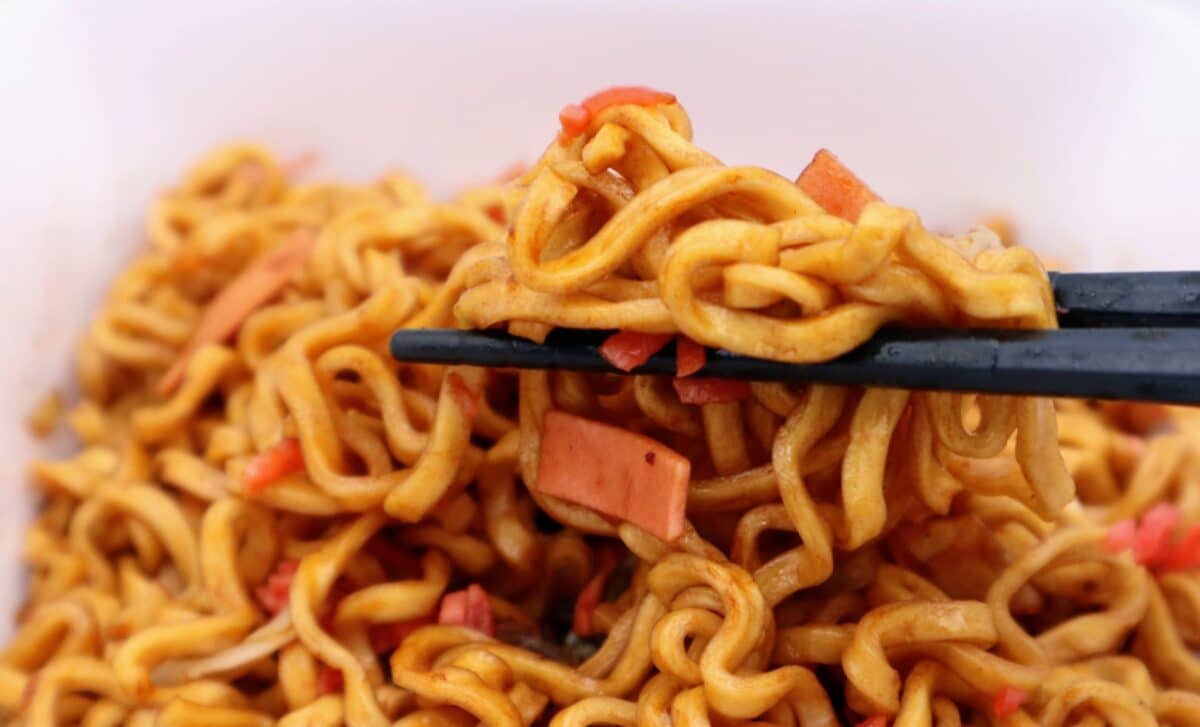
According to the joint ECDC and EFSA rapid outbreak assessment, flavoured noodle products from a specific brand are considered the most likely source of the outbreak. Investigators found that infected people in Denmark, Estonia, Germany, Latvia and Lithuania had consumed products from the same brand before becoming ill.
Laboratory testing strengthened that link after the outbreak strain, Salmonella Stanley ST2045, was detected in chicken-flavoured and hot-chicken-flavoured noodle products collected in Germany and Lithuania. Traceability investigations connected those products to the same producer in Ukraine.
The report also notes that additional Salmonella strains were identified in products from the same brand, suggesting there could be more than one source of contamination. Health authorities said further investigations are needed to establish the root cause and determine whether contamination originated from one or several ingredients.
Although flavoured noodles represent the strongest epidemiological signal, investigators said they cannot exclude other possible sources because not every patient reported eating the implicated products. Many also reported consuming processed chicken products before falling ill.
Authorities Continue Recalls While Urging Consumers to Follow Preparation Instructions
Food safety authorities in affected countries have introduced withdrawals and product recalls in an effort to reduce the risk of further infections. According to EFSA and the ECDC, these measures have significantly lowered the likelihood of additional cases linked to the identified products.
The agencies nevertheless warned that further infections could still occur because the noodles have a long shelf life and may still be stored in household kitchens. Consumers who identify recalled products are advised not to eat them and instead return them to the retailer or dispose of them.
Officials also stressed that the flavoured noodles are not ready-to-eat products and should be prepared exactly as instructed by the manufacturer. The outbreak assessment notes that some confirmed cases reported eating the noodles without cooking them, adding only the seasoning.
The confirmed cases have been reported in Austria, Czechia, Denmark, Estonia, France, Germany, Hungary, Latvia, Lithuania, the Netherlands, Norway, Poland, Sweden and the United Kingdom. According to the ECDC and EFSA, public health and food safety authorities will continue interviewing new patients, sequencing bacterial isolates and investigating the suspected products to identify the origin of the contamination.