The UK government is reassessing parts of its long-delayed defence investment plan following the resignation of Defence Secretary John Healey over a dispute about military funding. His successor, Dan Jarvis, is expected to revisit spending priorities and continue discussions with the Treasury and Downing Street as ministers seek to resolve disagreements over the future direction of defence spending.
The dispute comes at a sensitive moment for Prime Minister Keir Starmer, who is attending the G7 summit in France as allied leaders discuss security challenges linked to Russia, Iran and broader global instability. According to government sources cited by The Guardian, Jarvis has been tasked with examining whether funding can be redirected within existing defence plans.
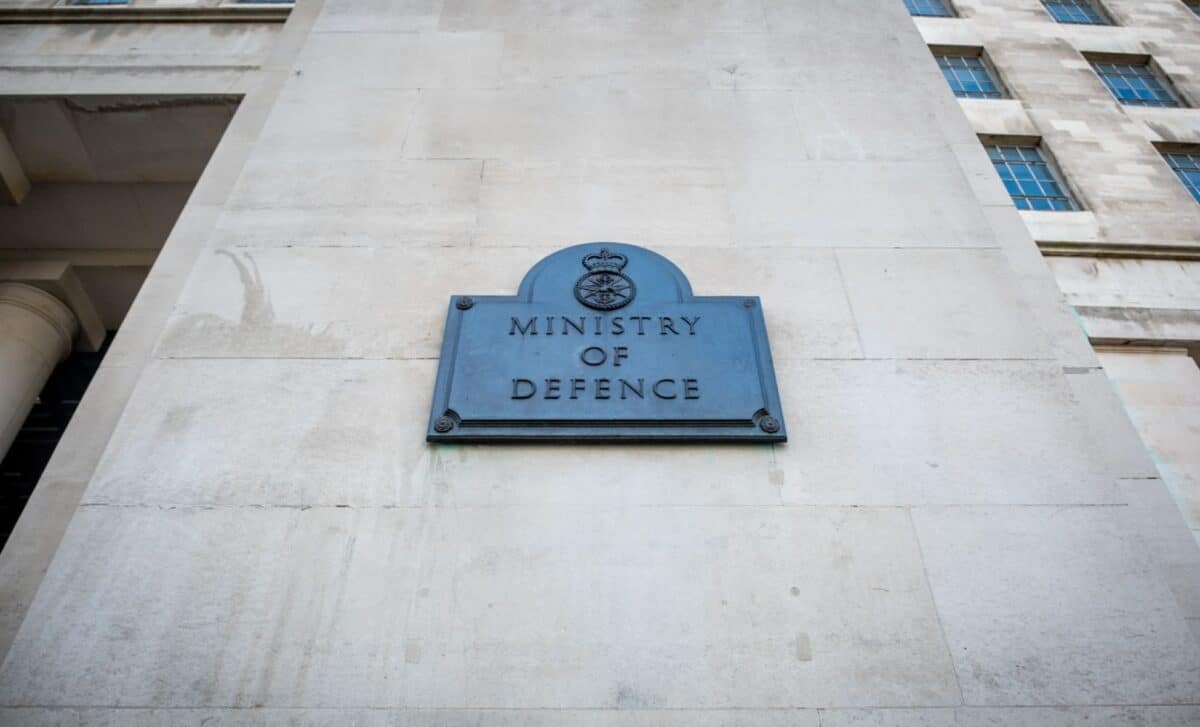
At the centre of the disagreement is the defence investment plan (Dip), a document that was delayed until July after Healey’s departure. The former defence secretary said he could not support a settlement that failed to provide sufficient resources for the armed forces.
Jarvis to Review Priorities within Defence Investment Plan
Multiple government sources told The Guardian that Jarvis is likely to “reprioritise” elements of the Dip rather than immediately secure significant new funding from the Treasury.
According to the report, some officials believe savings could be found by cancelling projects that Healey had previously been unwilling to cut. Other sources indicated that discussions were continuing between the Treasury, No 10 and the Ministry of Defence, although no agreement has yet been announced.
Culture Secretary Lisa Nandy said on Sunday that conversations regarding defence funding remained active. She noted that departments across government were still engaged in discussions with the Treasury about identifying additional resources.
Not all ministers appear willing to revisit previous spending agreements. The Guardian reported that several cabinet ministers described certain capital investments as “red lines” and expressed reluctance to reopen departmental settlements.
Tensions over defence funding have been heightened by concerns surrounding the Ministry of Defence’s finances. One minister cited by the newspaper argued that a longstanding gap in departmental finances had not been adequately addressed before the latest spending review.
Funding Gap and NATO Commitments Remain Central Concerns
Healey resigned after rejecting a proposed settlement that would have provided £13.5 billion to address what he described as an £18 billion funding gap affecting major defence projects.
According to sources close to the former defence secretary, his concerns extended beyond the immediate funding dispute. He was also seeking a clearer commitment to increasing defence expenditure towards 3% of gross domestic product by 2030 and establishing a credible path towards Nato’s longer-term target of 3.5% by 2035.
The issue has remained prominent in discussions between the UK government and international partners. Following Healey’s resignation, Starmer held conversations with US President Donald Trump and Nato Secretary General Mark Rutte. Downing Street later stated that the prime minister had reaffirmed the UK’s intention to spend 3% of GDP on defence during the next parliament, by the end of 2034.
The debate is unfolding alongside international defence commitments. During a visit to Downing Street on Sunday, Japanese Prime Minister Sanae Takaichi met Starmer ahead of the G7 summit. According to The Guardian, Japan is working with the UK and Italy on the Global Combat Air Programme, which aims to develop a next-generation fighter aircraft.
Jarvis has reportedly been given until the Nato summit in Ankara in early July to present an alternative approach capable of increasing defence investment, while discussions with the Treasury and Downing Street continue.