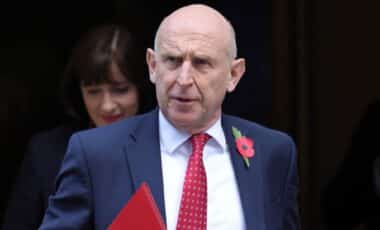

Since April 2026, UK workers have been entitled to Statutory Sick Pay (SSP) from the first day of illness, with no earnings threshold. The government describes the reform as the biggest upgrade to workers’ rights in a generation. Millions of employees, especially in lower-paid roles, are now accessing pay immediately when sickness prevents them from working.
Sick Pay Now Starts on Day One
The new SSP rules mean employees receive 80 percent of their Average Weekly Earnings (AWE) or the weekly flat rate of £123.25, whichever is lower. The previous three-day waiting period has been removed, opening access to many workers who were previously excluded.
Early reports indicate that employees are welcoming the change, citing reduced stress and more financial security during illness. Short-term absences are no longer penalized, which encourages staff to rest and recover properly.
Challenges for Employers
The reform has required significant adjustments from businesses. Contracts, handbooks, and payroll systems have had to be updated to comply with the new rules. Payroll teams now calculate payments from day one of sickness, ensuring the 80 percent rate is applied correctly.
Some sectors, particularly those with high absence rates or lower-paid workforces, are seeing higher SSP costs than anticipated. HR departments have been busy training managers and communicating with employees to ensure the new system works smoothly. Companies that prepared in advance report fewer disruptions, while others are still adjusting.
Early Benefits for Workers
Employees report that immediate sick pay has reduced financial pressure and made short illnesses less stressful. The reform is also seen as a step toward fairer treatment, giving workers confidence that they will be supported without complicated rules.
Experts note potential wider benefits, including reduced presenteeism—staff working while sick—which can improve overall workplace health and productivity. The change also reinforces the perception that the UK is taking worker protections seriously.
A Historic Reform
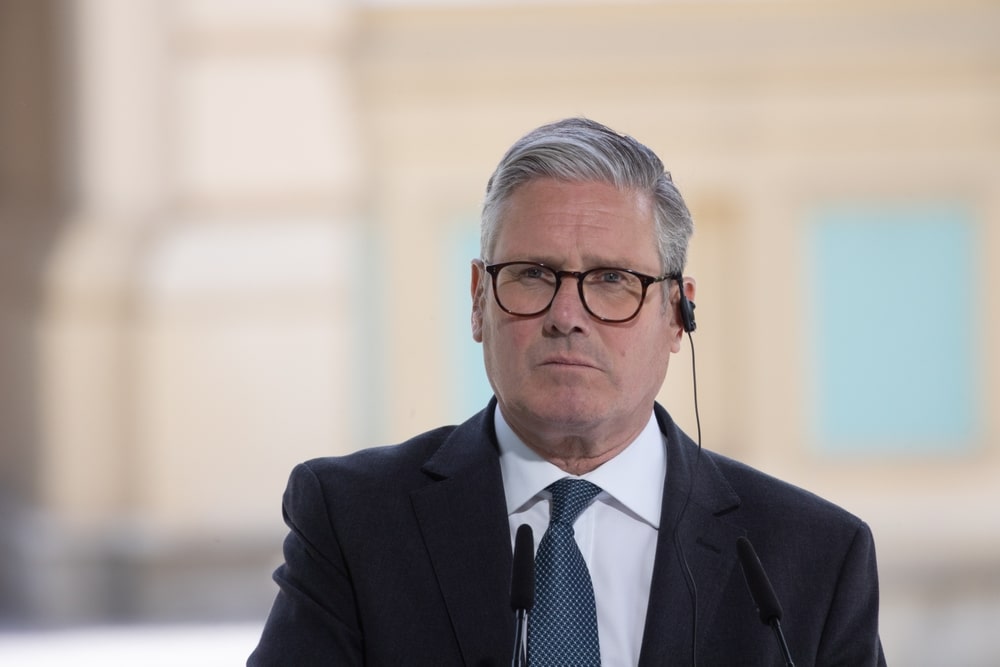
Prime Minister Keir Starmer called the changes historic, emphasizing that they strengthen both employee welfare and business resilience. By removing barriers and ensuring prompt payments, the government has reshaped how sick leave is managed.
The April 2026 SSP reforms mark a new era for UK employment law, offering stronger protections for workers and prompting employers to adapt their policies. Early feedback suggests that the change is already making a noticeable difference in workplaces across the country.