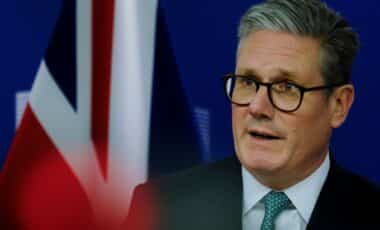
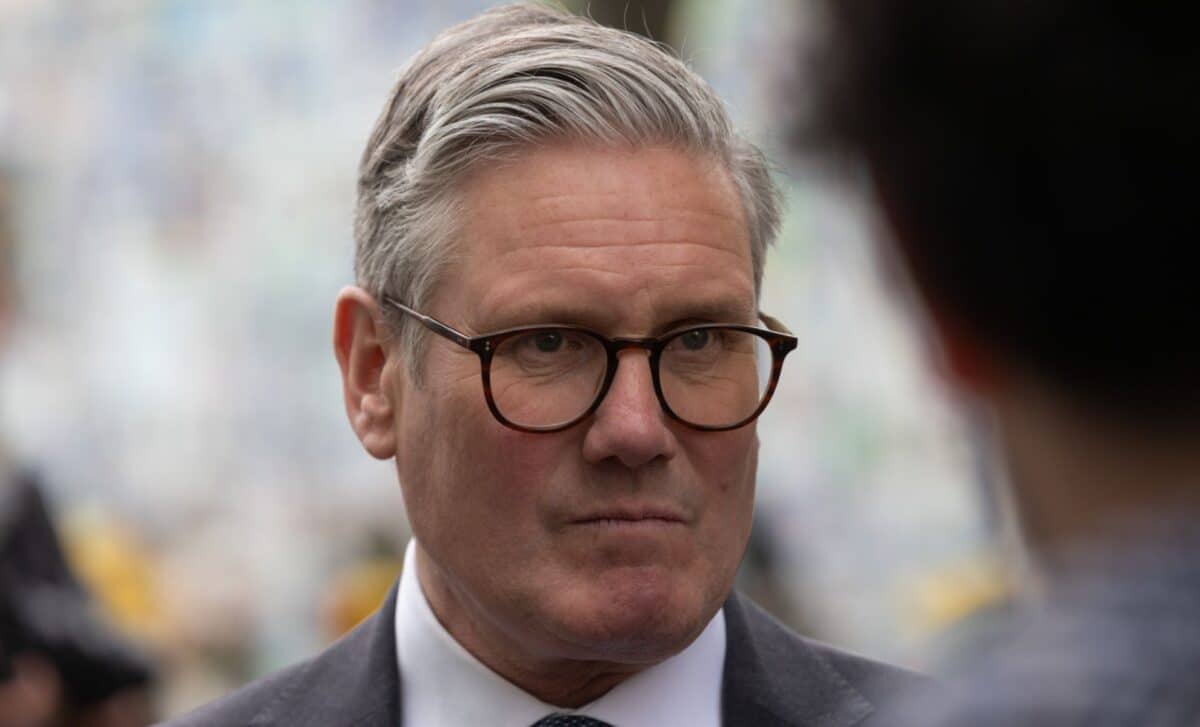
Prime Minister Keir Starmer is facing mounting pressure to set out how the United Kingdom will fund a planned increase in defence spending ahead of a NATO summit in July. The long-delayed Defence Investment Plan is expected to detail billions of pounds of investment over the coming decade.
The debate has intensified as ministers consider where savings can be found across government departments. While defence officials argue that higher military spending is needed to address security challenges, concerns have been raised about the possible impact on other public services.
A year after the publication of the Strategic Defence Review, the government is preparing to unveil the Defence Investment Plan (DIP), which will outline how Britain intends to finance its security priorities over the next ten years. According to the Financial Times, the plan is expected to include around £15 billion ($20.04 billion) of investment.
The funding is reportedly likely to come from reductions in other departmental budgets rather than through additional borrowing or tax increases. According to reports cited by the Financial Times, government departments have been asked to identify savings that could help finance the increase in defence expenditure.
Defence Funding Plans Place Pressure on Government Departments
The Ministry of Defence has described the proposed increase as “a generational increase in defence spending”, arguing that it is necessary to avoid “the hollowed-out armed forces of the past”. The department also stated that the Defence Investment Plan would address what it called an “outdated, overcommitted and underfunded programme” inherited by the current government.
Yet several departments have indicated that their budgets are already under strain. Education and healthcare officials have pointed to existing financial constraints, while The Times reported that the energy department could face particularly significant reductions.
One area under discussion is spending linked to the government’s net-zero agenda. According to reports, some of this spending could be reduced as ministers seek to prioritise defence commitments ahead of the NATO gathering in Türkiye.
The debate comes against a backdrop of growing concern about international security. Starmer recently stated that “it is no exaggeration to say that we’re living in more dangerous and volatile times than at any time in my life”, underscoring the government’s argument for increased military investment.
Concerns have also emerged regarding the potential consequences for public services. Siva Anandaciva, director of policy at the King’s Fund, told The Times that while many people understand the case for higher defence spending, it could come “at a cost to the quality and access of healthcare”.
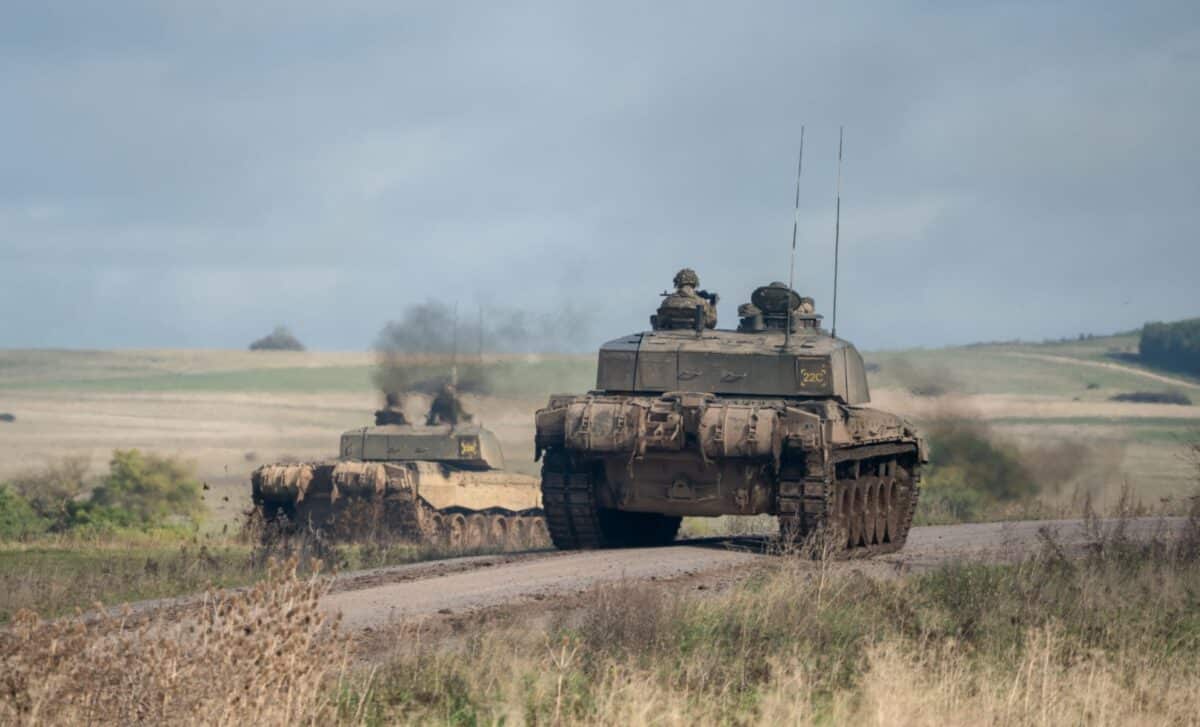
Political Pressures Add Urgency before NATO Summit
The defence funding debate is unfolding during a politically sensitive period for Starmer. The prime minister is nearing the end of his second year in office and has recently faced pressure over his leadership both within the Labour Party and across government.
Later this month, a parliamentary by-election will take place in a constituency in northern England. Labour’s candidate is former government minister Andy Burnham, who is widely regarded as a prominent political rival to Starmer.
Burnham is not currently a Member of Parliament. According to China Daily, he has said that if he wins the seat, he would enter any future Labour leadership contest that may arise.
Reports indicate that Starmer is keen to resolve the defence spending question, alongside several other policy initiatives, before any challenge to his position gains momentum. He has already stated that he would resist such efforts.
The issue also carries significance internationally. According to the same source, securing agreement on defence funding before the NATO summit would be notable given repeated calls from US President Donald Trump for alliance members to increase military spending and reduce reliance on American security guarantees.