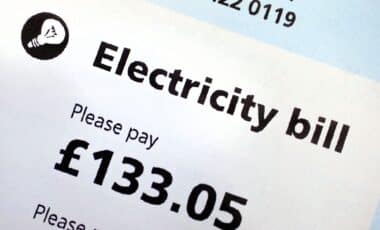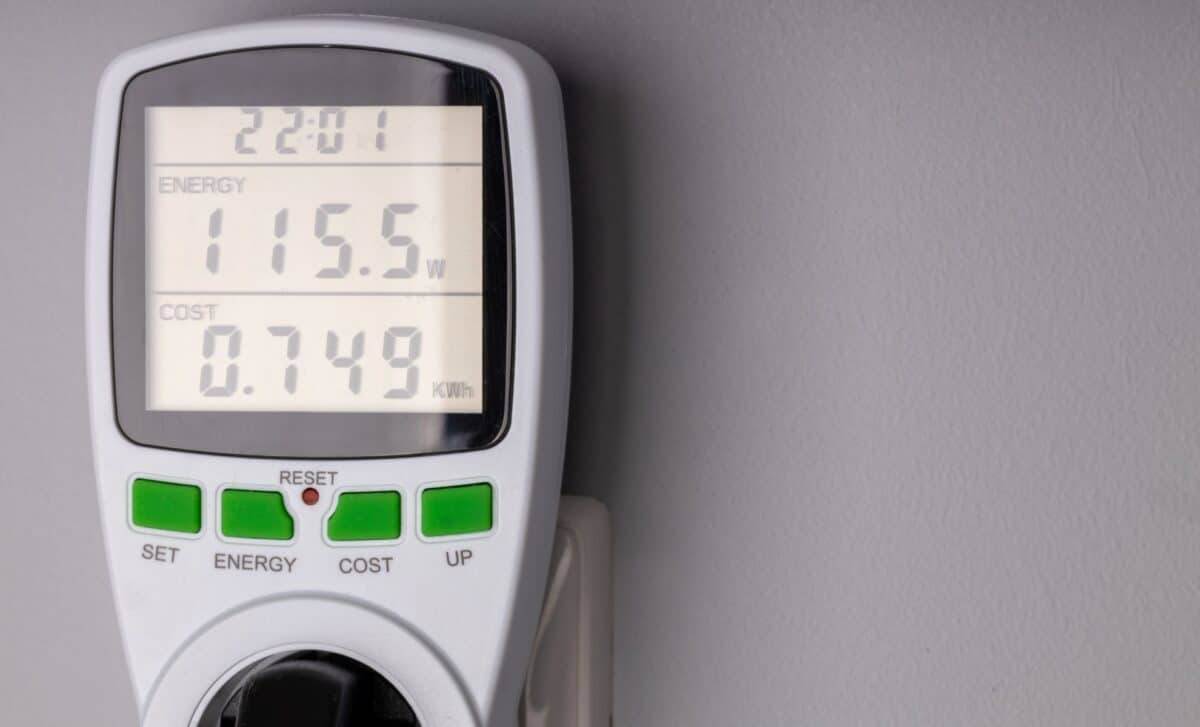
Millions of households supplied by British Gas, Octopus, OVO and EDF could face higher energy costs from July, with forecasts pointing to a sharp increase in the household energy price cap. Average annual dual-fuel bills are projected to move closer to £1,850.
The expected rise comes as wholesale energy markets remain under pressure following conflict in the Middle East, raising concerns that households may not see the usual easing in costs later in the year.
The latest forecast, according to Cornwall Insight, suggests the household energy price cap could increase by £209 annually from July. That would take the typical annual dual-fuel bill from £1,641 to around £1,850.
Although household energy demand is usually lower during warmer months, analysts have warned that the longer-term concern lies in what happens when colder weather returns and consumption increases again. Current projections indicate that elevated costs may continue into autumn.
Wholesale Market Disruption Pushes Forecast Higher
According to Cornwall Insight, the expected rise represents a 13% increase over three months and is largely linked to higher wholesale energy prices associated with the conflict involving Iran.
The disruption described in the reports centres on developments in the Middle East that have affected global energy markets. According to the reports, military escalation in the region was followed by retaliatory action and the closure of the Strait of Hormuz, a key global trade route.
Roughly 20% of globally traded oil passes through the strait, and the closure has contributed to rising fuel costs internationally. Instability in oil and gas markets has since filtered through to UK household energy pricing. Craig Lowrey, principal consultant at Cornwall Insight, said the outlook had changed significantly in recent months.
“Over the past few months, we’ve watched our forecasts shift from showing virtually no quarter-on-quarter increase to a 13% rise in current bills – with this change due to the impacts of the Middle East conflict,” he said. Cornwall Insight also warned that annual household energy bills could move towards £2,000.
Concerns Grow Over Autumn Pressure and Household Preparation
While summer conditions generally reduce heating demand, concerns remain about what happens later in the year if wholesale prices stay elevated. According to Cornwall Insight’s current forecast, October’s price cap could remain close to July’s expected level, limiting the seasonal relief households often anticipate before winter. The consultancy said the greater concern is not the summer increase itself but the point at which colder weather returns and energy use rises.
The reports also noted that even if hostilities ended immediately, damage to infrastructure and disruption across supply chains mean prices are unlikely to return quickly to previous levels. The UK Government is facing calls to outline emergency support measures before winter. According to the End Fuel Poverty Coalition, millions of households already managing energy debt could face a difficult period if elevated costs continue.
Experts suggested several measures households may consider during warmer months, including bleeding radiators, checking for draughts, servicing boilers, improving insulation, washing clothes at 30°C, avoiding unnecessary tumble dryer use, batch cooking and selecting eco settings on dishwashers. Ofgem is due to announce the next energy price cap on 27 May.