
Universal Credit claims in Britain have risen to a record 8.3 million, according to new figures released by the Department for Work and Pensions (DWP). The data also shows that the proportion of claimants currently in employment has fallen over the past year.
The figures have intensified debate over welfare spending and employment policy, with both Labour ministers and Conservative critics disputing the causes behind the increase. According to the DWP, much of the growth is linked to the ongoing transfer of people from older benefits onto Universal Credit.
The latest statistics cover February 2026 and mark the highest number of Universal Credit claimants since the system was introduced in 2013. At the same time, the number of people classified as having “no work requirements” has risen sharply.
Employment among Claimants Falls as Overall Caseload Rises
According to figures published by the DWP, the total number of Universal Credit claimants increased by 830,000 over a 12-month period, rising from 7.5 million in February 2025 to more than 8 million by February 2026.
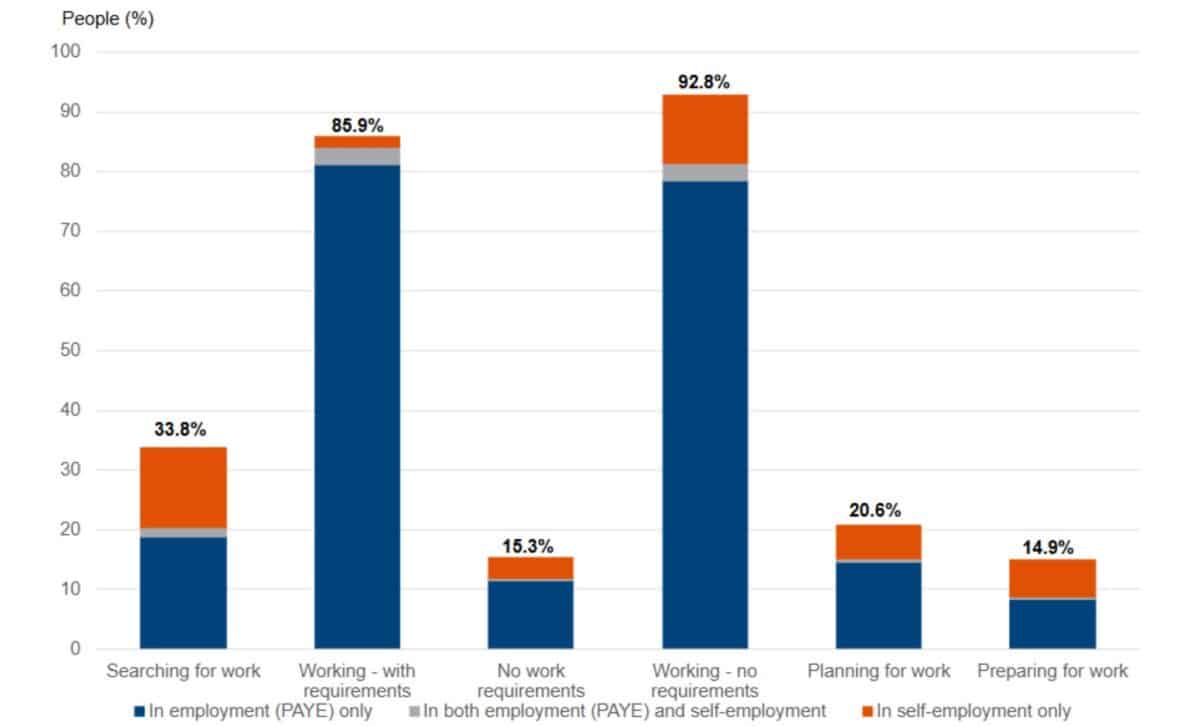
While the overall caseload increased, the proportion of claimants in work declined. In January 2026, around 3.1 million people receiving Universal Credit were employed in some form, representing 37.8 per cent of the total caseload. A year earlier, 3.2 million claimants were working, accounting for 43.3 per cent.
The Sun reported that among those employed, approximately 2.5 million were in standard PAYE jobs, around 500,000 were self-employed, and roughly 100,000 combined both forms of work.
The figures also revealed changes in the composition of claimants. Around 4.2 million people are now placed in the “no work requirements” category, meaning they are not expected to actively seek employment, often because of illness or disability. This group now represents half of all Universal Credit claimants.
According to GB News, the number of people in this category increased by one million between February 2025 and February 2026. The category first became the largest claimant group in April 2022 after overtaking those actively searching for work.
Political Disagreement Grows over Welfare Policy and Spending
The latest figures have prompted criticism from Conservative politicians, who argue that the welfare system is becoming increasingly unsustainable.
Shadow Work and Pensions Secretary Helen Whately said Labour was allowing the welfare bill to “spiral out of control” while fewer people were in employment. She also said the increase in claimants with no work requirements reflected a lack of focus from ministers.
Speaking after the publication of the data, Whately stated: “The number of people on Universal Credit with no work requirements has surged by one million in a year alone because this Government has been too distracted by internal chaos.”
The DWP rejected the criticism and said the figures must be viewed in the context of the migration from legacy benefits to Universal Credit. According to a department spokesperson, nearly 80 per cent of the increase in Universal Credit cases since July 2024 has been driven by that transition process, which began under the previous Conservative government.
The department also said it had inherited what it described as a “broken welfare system” and was attempting to increase employment support. Measures cited by ministers include the redeployment of 1,000 work coaches to support sick and disabled claimants seeking work opportunities.
Separate DWP payment data showed that couples with children receive the highest average monthly Universal Credit payments, at approximately £1,330 per month. Single claimants without dependants receive around £800 monthly, while the average payment across all households stands at £1,030.