Thousands of people living with long-term skin conditions may be eligible for Personal Independence Payment (PIP), following updated figures released by the Department for Work and Pensions. The benefit can provide up to £114.60 a week for those who qualify under the daily living component.
According to the latest DWP data, 24 recognised skin-related conditions are currently linked to active PIP claims across England and Wales, with more than 29,000 people receiving support under these categories.
PIP is a tax-free, non-means-tested benefit intended to help people manage the extra costs associated with disabilities, chronic illnesses, and mental health conditions. It can be claimed by people who are employed, studying, or have savings, provided their condition affects daily living or mobility over an extended period.
The latest figures come after the DWP updated payment rates for 2026 following a 3.8% inflation increase. According to the department, the enhanced rate for the daily living component now stands at £114.60 per week, while the standard rate is £76.70.
Eczema, Psoriasis and Ehlers-Danlos Among Listed Conditions
The newly confirmed list includes a broad range of dermatological and connective tissue disorders. Some of the highest claimant totals are linked to lymphoedema and Ehlers-Danlos syndrome. According to DWP statistics for January 2026, Ehlers-Danlos syndrome accounts for 7,175 claimants, making it the most commonly claimed condition within the category. Lymphoedema follows with 6,356 claimants.
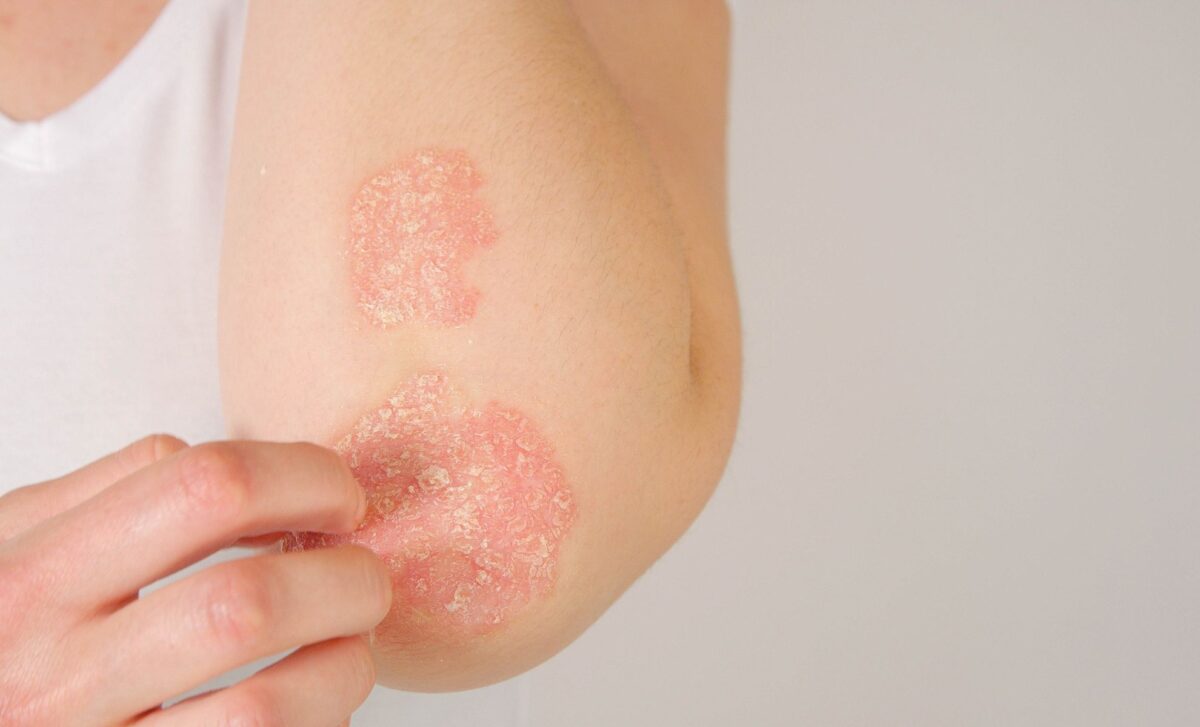
Psoriasis, a chronic inflammatory skin disease, is linked to 2,213 claimants, while eczema (dermatitis) accounts for 1,440. Other conditions listed include cellulitis, leg ulcers, rosacea, pemphigoid, epidermolysis bullosa and chronic venous insufficiency. The figures also show smaller claimant numbers for conditions such as acne vulgaris, with 19 recorded claims, and rosacea, with 17.
According to reports, the full number of claimants across all 24 listed skin conditions currently stands at 29,634. PIP eligibility is based on how a condition affects a person’s ability to carry out everyday activities or move around, rather than the diagnosis itself. Claimants are assessed on whether they face difficulties with tasks such as washing, dressing, preparing food, communicating, or travelling independently.
How Claimants Can Apply for Pip Support
People may qualify for PIP if they are aged 16 or over, have a long-term physical or mental health condition or disability, and expect their difficulties to continue for at least 12 months from when they began.
The benefit is divided into two separate parts: the daily living component and the mobility component. Claimants may receive one or both, depending on the outcome of their assessment. The mobility component is currently paid at either £30.30 or £80 per week, according to the DWP’s updated 2026 rates.
To begin an application, individuals must contact the DWP directly by telephone. According to Gov.uk guidance referenced in the report, the initial date of contact is significant because successful claims may be backdated to that point.
Applicants are then sent a questionnaire titled “How your disability affects you”, often referred to as the PIP2 form. This document asks for details about how a condition affects day-to-day life and mobility. The DWP states that supporting evidence from healthcare professionals or carers may also be considered during the assessment process.