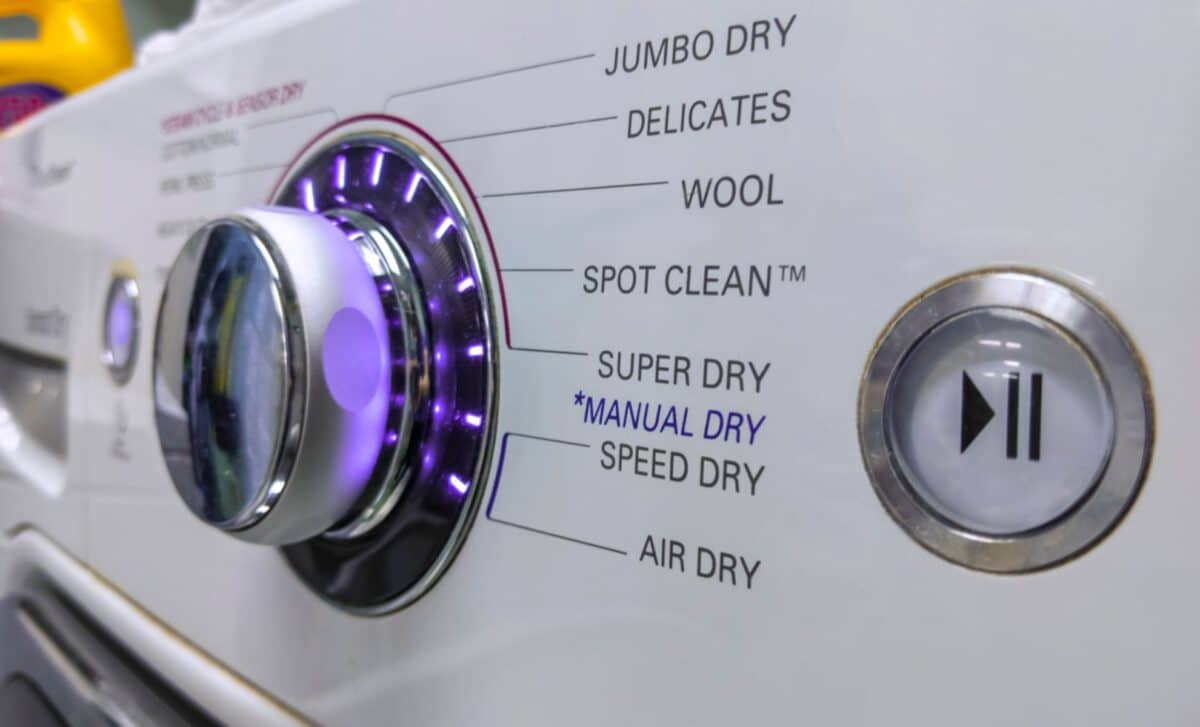
The UK government is preparing new regulations that would restrict the sale of less energy-efficient tumble dryers. The proposed changes are already influencing consumer behaviour, with retailers reporting a noticeable increase in demand for conventional machines.
The policy forms part of broader efforts to meet national net zero targets, focusing on reducing household energy consumption. While officials argue the transition will lower long-term costs, some businesses and consumers have raised practical concerns about the shift.
According to government policy documents, the planned rules would phase out inefficient gas-fired, air-vented and condenser tumble dryers by introducing stricter energy performance standards. Only models with an Energy Efficiency Index below 85 would remain available on the market, a threshold that many traditional vented dryers exceed.
Retailers say this has triggered a surge in purchases. According to reporting by The Telegraph, Appliance World Online has seen a “massive uptick” in sales of conventional dryers, with these appliances now ranking among its top-selling products. The company, which typically holds around 15,000 items in its warehouse, has experienced a shift in buying patterns as customers respond to the proposed changes.
Retail Response Highlights Growing Consumer Concern
The rise in sales reflects what retailers describe as growing awareness among households. According to industry figures cited by The Telegraph, similar patterns have been observed in Northern Ireland, where comparable regulations aligned with European Union standards have already taken effect.
Shop owners suggest that many customers are acting pre-emptively. Luke Gammons, director of a family-run hardware store on the Isle of Man, told The Telegraph that some buyers are replacing existing appliances earlier than planned. He said customers are choosing air-vented dryers because they expect these models to become unavailable in the near future.
This behaviour appears linked not only to availability concerns but also to practical considerations. According to retailer accounts, some households are uncertain about whether newer heat pump dryers will suit their living arrangements, particularly where appliances are kept outside the main home.
The reported surge in demand suggests that, despite the policy’s long-term aims, there remains hesitation among consumers about the transition. Retailers describe the current period as one of adjustment, with buyers weighing immediate needs against future restrictions.
Government Argues Efficiency Gains Will Reduce Long-Term Costs
The government maintains that the changes are designed to benefit consumers financially over time. According to official documents, a heat pump tumble dryer could save an average of £250 over a 12-year period compared with a condenser model, with potential savings rising to £900 over a 20-year lifespan.
Energy Secretary Ed Miliband outlined the broader rationale during a speech at the National Growth Debate in April 2026. According to the published transcript on Gov.uk, he framed the policy within a wider strategy focused on energy security, lower household bills and environmental targets.
Heat pump dryers operate differently from conventional models, recycling hot air and running at lower temperatures, typically around 50°C rather than 70–75°C. According to the same government sources, this improved efficiency underpins the expected cost savings.
However, concerns remain about performance under certain conditions. Retailers note that these machines may take longer to dry clothes and can be less effective in colder environments. According to accounts reported in The Telegraph, households that place dryers in garages or outbuildings may face challenges, as performance can decline significantly when temperatures drop below 10°C.
A spokesperson for the Department for Energy Security and Net Zero said the regulations are intended to help households reduce energy costs. The policy, while not banning existing appliances, is set to reshape the market by limiting future sales of less efficient models.