In a bid to reduce rising electricity prices, the UK government has announced that it will remove the carbon tax on electricity generation from April 2028. This move is part of the government’s strategy to ease the burden on households and businesses as energy prices are set to soar.
The End of the Carbon Price Support
The Carbon Price Support (CPS) tax, which was introduced in 2013, aimed to reduce emissions from power plants by making coal-based electricity generation more expensive. Since then, the UK has made significant progress in phasing out coal, with the last coal-fired power plant closing in 2024.
The CPS, which had been frozen at £18 ($24) per metric ton of carbon dioxide since last year’s budget, will be scrapped in 2028. Government officials, including Dan Tomlinson, the Exchequer Secretary to the Treasury, argue that the tax has served its purpose by driving coal off the grid and encouraging the transition to renewable energy.
“The CPS has done its job and is no longer fit for purpose,” Tomlinson said in a statement. He emphasized that with the UK moving toward its goal of decarbonizing its electricity sector by 2030, there is no longer a need for this additional tax.
Impact of the End of the Carbon Tax on Energy Prices
While the government’s decision to remove the CPS is seen as a positive step for consumers, it comes amid rising energy prices. Energy bills are expected to increase starting in July 2026, driven by wholesale energy price hikes linked to the ongoing Iran conflict. Additionally, the regulator’s price cap will adjust, further contributing to the increase.
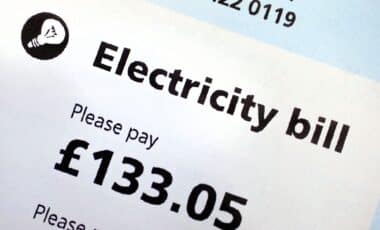
The scrapping of the CPS tax could lead to a reduction in wholesale electricity prices. According to analysts at Bernstein, this move could save households approximately £21 per year on their electricity bills, reports Reuters. The removal of the CPS, which adds £7 per megawatt hour to wholesale electricity prices, is expected to ease some of the financial pressure on UK consumers.
A Strategic Move Toward Clean Energy
The government’s decision to scrap the carbon tax aligns with its broader Clean Power 2030 mission, which focuses on reducing the UK’s dependence on fossil fuels and boosting renewable energy production. As the UK continues to transition toward a cleaner, greener energy grid, the government argues that the CPS is no longer needed to incentivize decarbonization efforts.
With renewable power ramping up, the government believes that the UK is well-positioned to meet its climate goals without relying on the carbon tax to discourage coal usage.
What’s Next for Consumers?
As the UK moves toward cleaner energy, the scrapping of the CPS tax is just one step in its broader energy strategy. While consumers will likely see some relief from electricity price hikes, rising energy costs driven by global events like the Iran conflict are still a significant concern.
The government’s commitment to reducing the reliance on volatile fossil fuels will hopefully provide long-term stability for both households and businesses. However, the full impact of these changes will unfold in the coming years, especially as energy prices continue to fluctuate.
For now, consumers can expect to see some savings on their electricity bills after April 2028, but they may need to brace for further price increases before that happens.