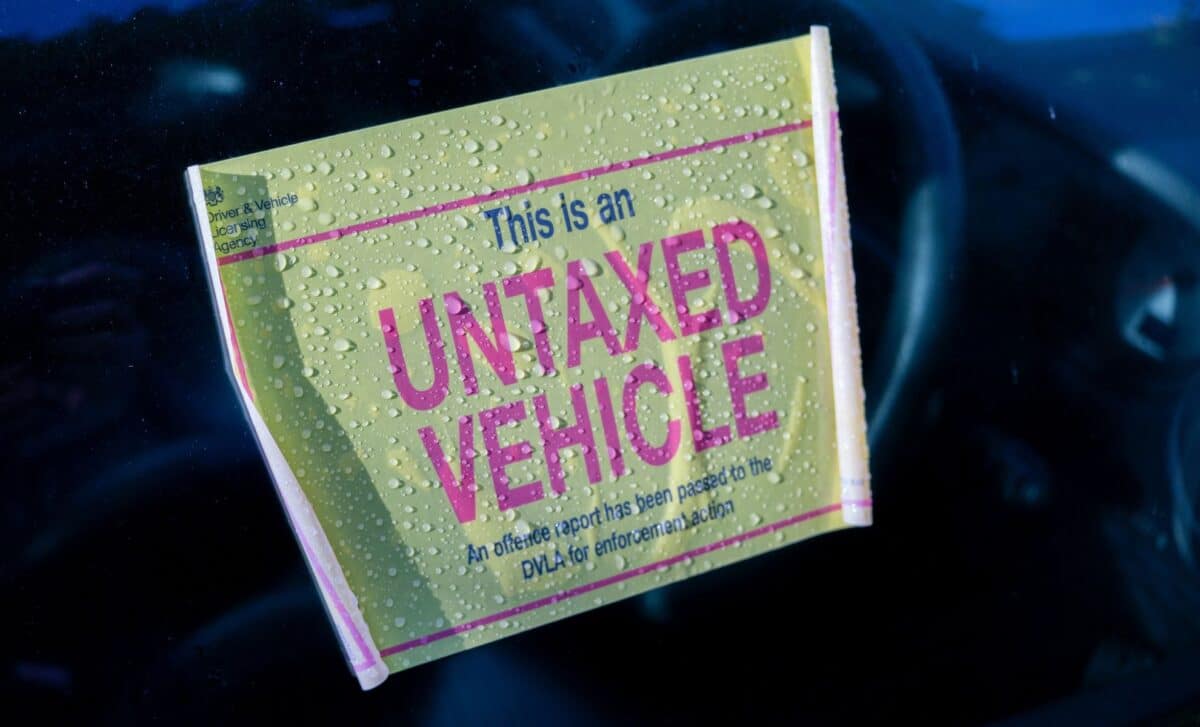
New changes to Vehicle Excise Duty (VED) have come into force in the United Kingdom, increasing costs for many motorists. The revised rates affect vehicles registered in recent years, with higher first-year charges tied to emissions levels. The update comes at a time when fuel prices are already rising, adding further pressure on drivers. According to reports, the changes began on April 1 and apply across petrol, diesel, hybrid, and electric vehicles.
Updated VED Rates Increase Costs for New and Existing Vehicles
From April 1, the standard annual VED rate for most vehicles registered after April 1, 2017, has risen from £195 to £200. This flat rate applies broadly across vehicle types, including petrol, diesel, hybrid, and electric models.
First-year charges, which are based on CO2 emissions, remain significantly higher. According to Richmond Motor Group, an average new petrol car emitting around 143g/km of CO2 now carries a first-year tax of £560. Diesel vehicles at similar emission levels face even higher costs, with first-year charges reaching £1,360.
For higher-emission vehicles, the tax burden increases sharply. Cars emitting more than 255g/km of CO2 are now subject to a first-year rate of £5,690, reflecting a £200 increase under the updated system.
Vehicle taxation in the UK is structured so that the initial payment covers the first 12 months after registration, after which drivers pay either every six or twelve months at a different rate. According to the House of Commons Library, the amount owed depends on factors such as registration date, vehicle type, and environmental performance.
Broader Context Shows Shift Toward Emissions-Based Taxation
Vehicle taxation in Britain has evolved significantly over time. According to the House of Commons Library, a tax on vehicles was first introduced in 1889, initially linked to revenue collection rather than road usage.
By 1909, the system was tied to funding road infrastructure through dedicated legislation. That link no longer exists, and VED revenue is not specifically allocated for road maintenance today. In recent years, the tax has been restructured to reflect environmental considerations, particularly CO2 emissions. This shift aims to address the broader external impacts of vehicle use, including pollution.
Despite this focus, the system has faced criticism. The House of Commons Library notes that VED does not directly account for how much a vehicle is driven, meaning drivers pay similar annual rates regardless of usage levels.
Additional charges also apply to higher-value vehicles. Owners of cars with a list price above £40,000, or £50,000 for electric vehicles, must pay an extra £440 annually under certain conditions. This surcharge applies to vehicles registered between April 2025 and March 2026, though exemptions exist for zero-emission vehicles registered before April 1, 2025.
These changes arrive amid rising fuel costs, compounding the overall expense of car ownership. The updated VED structure continues to reflect a policy direction that prioritizes emissions metrics over other factors, shaping how motorists are taxed across the UK.