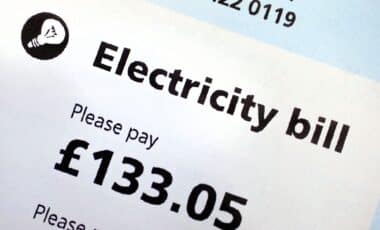
The UK government said households would see lower energy bills this spring, with Prime Minister Keir Starmer promising savings of up to £150. New figures and policy details suggest the reduction is smaller than claimed and may be offset by wider tax changes.
The issue has become part of a broader debate about the cost of living, taxation, and how government measures are presented to the public. While bills have declined, questions remain over how much of that reduction is directly linked to policy decisions.
The government announced that energy bills would fall from April, a claim that has been borne out in part. According to the Daily Express, average household bills dropped by £117 rather than the £150 figure highlighted by Starmer. The shortfall has drawn attention to the underlying assumptions behind the original pledge.
At the same time, the mechanism used to deliver the reduction has prompted scrutiny. Rather than representing a direct saving, the policy involves shifting levies from energy bills into general taxation, meaning the cost is redistributed rather than removed.
Energy Bill Reductions and Their Underlying Drivers
The fall in energy bills coincided with a decrease in wholesale energy prices, which is a key factor in determining household costs. According to the Daily Express, part of the £117 reduction reflects market changes rather than government intervention, highlighting the limits of domestic policy in controlling global energy prices.
The government’s approach involved removing certain levies from bills and funding them through taxation. This was presented as a way to ease immediate pressure on households. According to the same report, officials framed the policy as asking higher earners to contribute more, though the tax base involved includes a broad range of income taxpayers.
This distinction has become central to the debate. While consumers may see lower bills on paper, the overall financial impact depends on how taxation changes affect individual households. The policy does not eliminate costs but reallocates them across different parts of the system.
Tax Thresholds and the Wider Cost-Of-Living Impact
The timing of the energy bill changes coincides with the start of a new tax year, bringing additional financial considerations. Personal tax thresholds, including the £12,570 personal allowance, remain frozen, a policy that is set to continue until 2031. This freeze is expected to increase tax liabilities as incomes rise.
Research referenced in the same source suggests that taxpayers could face an average additional cost of up to £220 this year due to fiscal drag, where more income is pulled into higher tax bands. This effect may outweigh the savings seen on energy bills for some households.
The combined impact of these measures has led to differing interpretations of the government’s approach. While the reduction in energy bills is measurable, the broader financial picture includes rising tax contributions and other cost pressures.